

Blog
Technical articles on PCB design, manufacturing, and industry best practices. Written by our engineering team.

Solder mask thickness is a measurable spec: not a vague quality claim. How IPC-SM-840 classes map to real thickness bands, how registration tolerance works
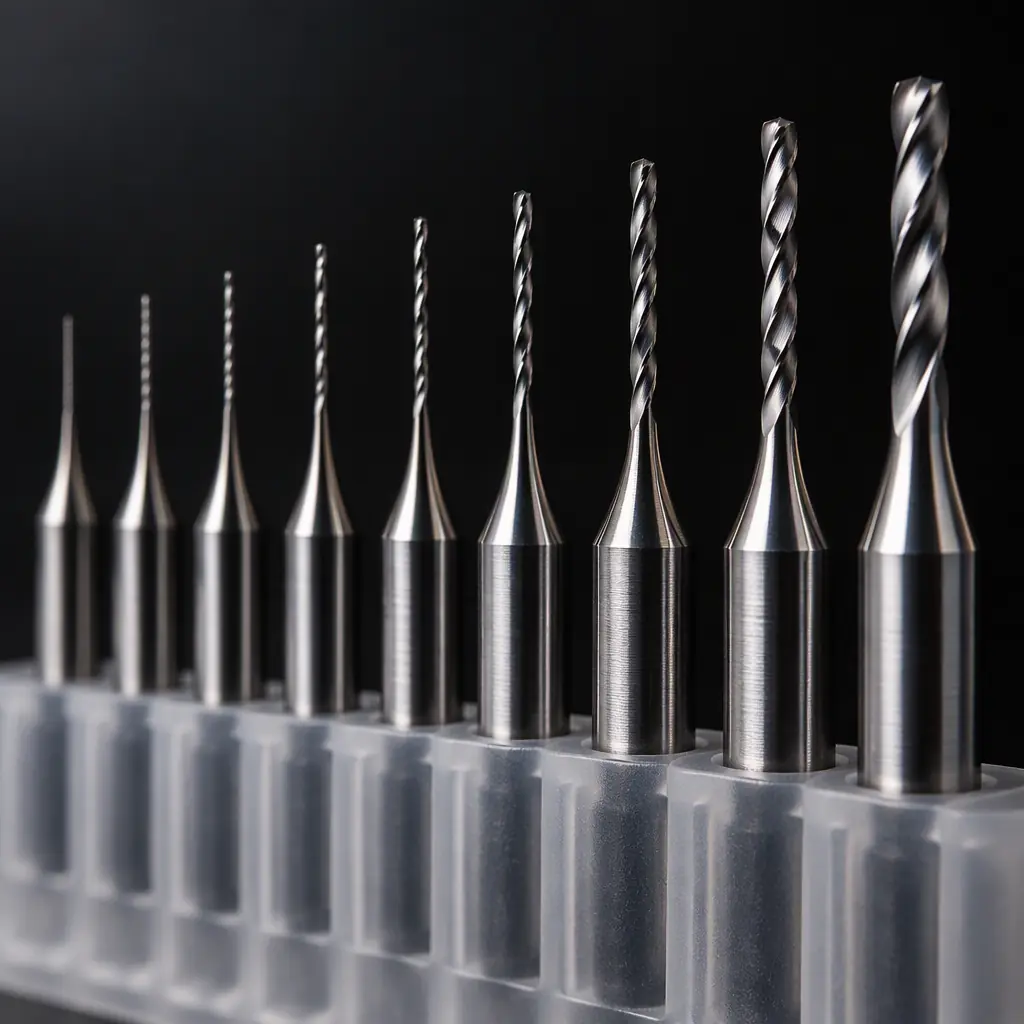
Why a 0.2 mm hole costs several times a 0.8 mm hole and how wear shows up in the delivered board. The consumable cost a quote never breaks out
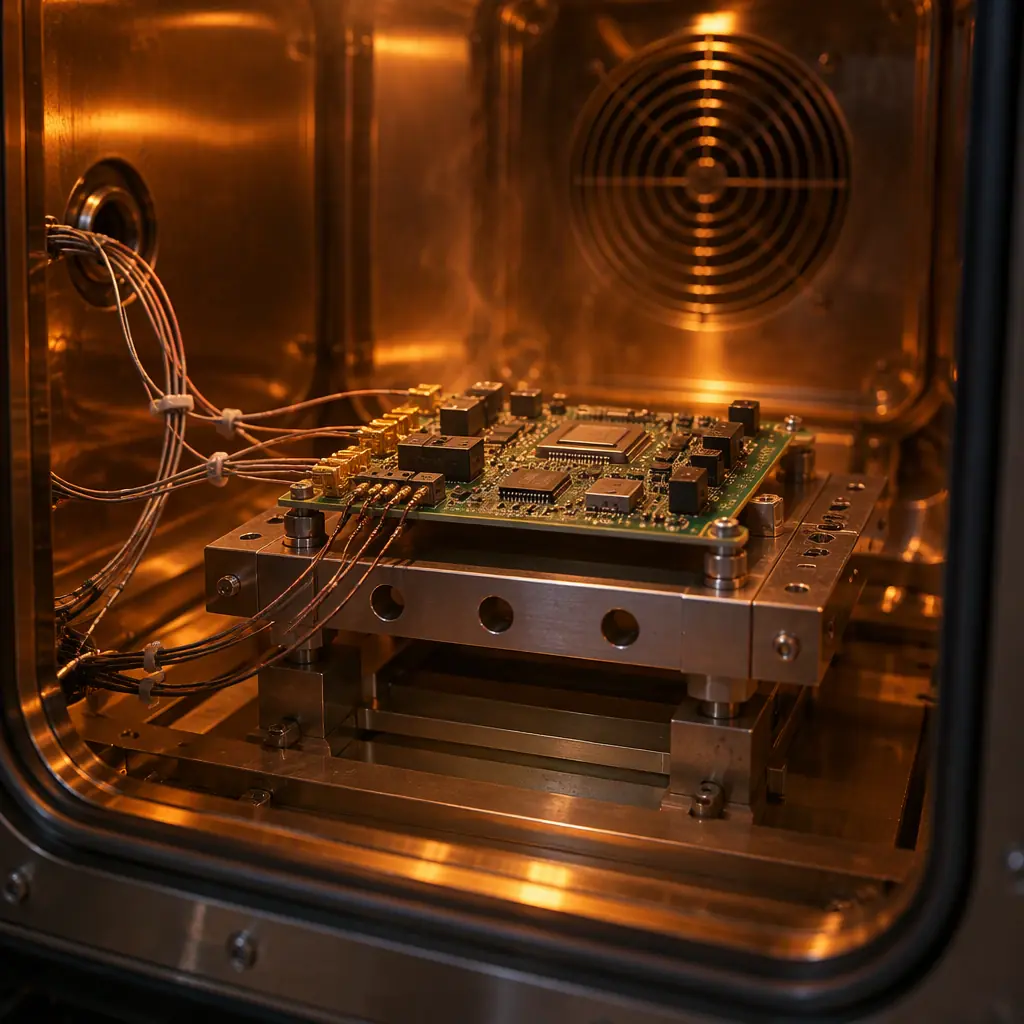
HTOL tests wear-out under continuous bias at temperature: thermal cycling tests fatigue. Different mechanisms, constantly confused. How aging is set up

Bow and twist are the two flatness defects that stop a PCB from sitting flat in assembly. The IPC-6012 limits and how to write them into your purchase order

Hi-pot testing proves insulation integrity: not component function. How the withstand voltage is derived, how the test is set up, what a failure means

Design of experiments turns a reflow profile from a guess into a proven process window. How screening: characterisation and confirmation DOEs work

Solder float test and wetting balance both measure solderability but answer different questions. How each works: what the results mean

How to improve first pass yield in SMT assembly: the eight levers that actually move FPY, how to sequence them by payback
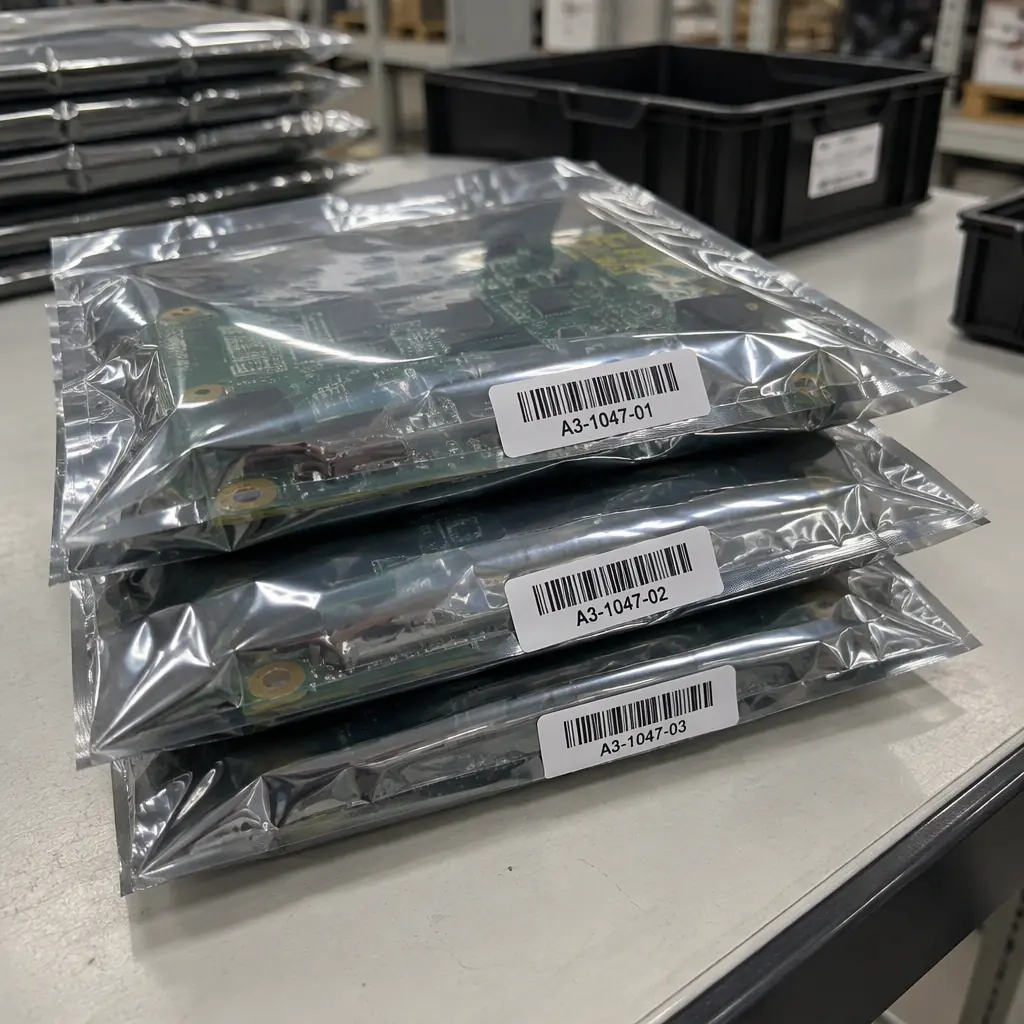
A structured method for assessing PCB supplier risk before you place the order: the eight dimensions that matter, how to score them

Upload your Gerber files and BOM. We'll respond within 24 hours with a detailed quote and free DFM review.