
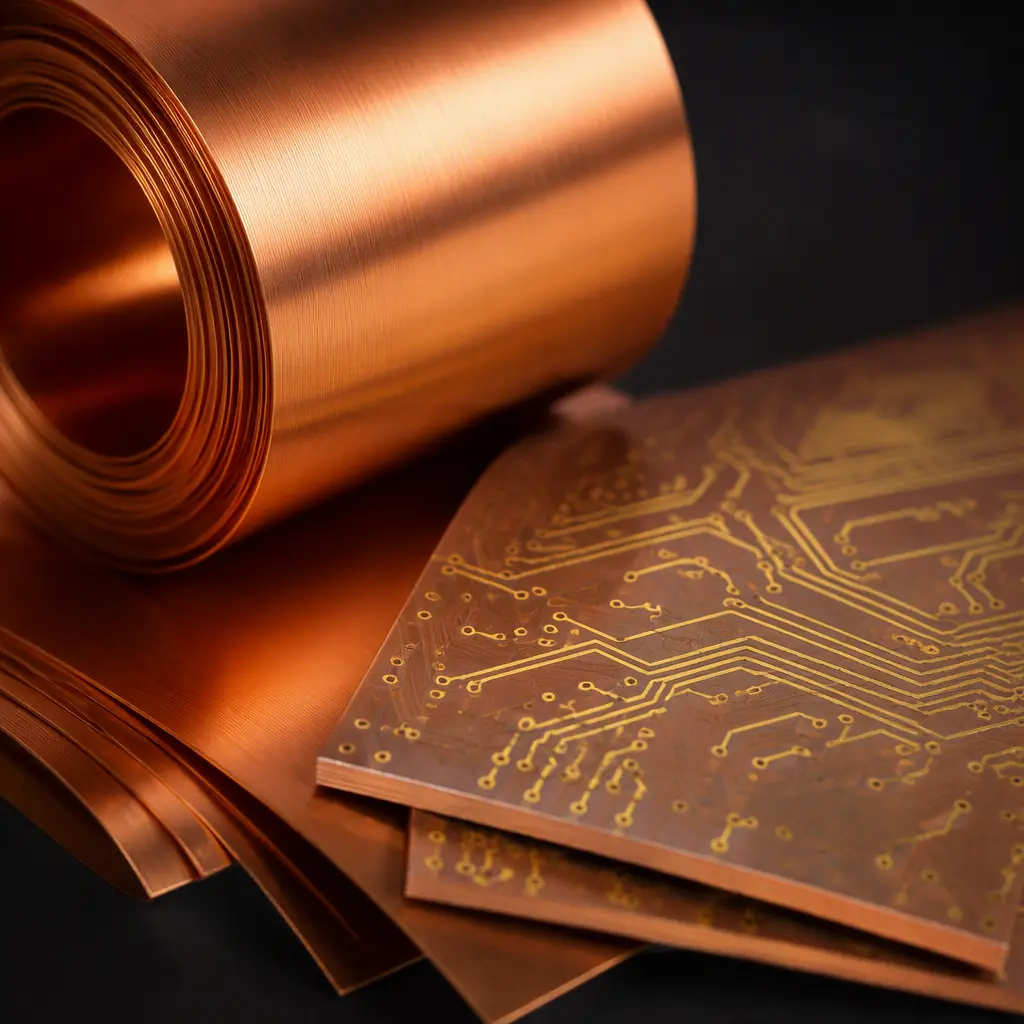
Your board fabricator just raised the per-piece price by 9 % and the only explanation on the invoice is "raw material adjustment." On a 10,000-piece order that is not a rounding error. It is a line you have to defend to your finance director. The maddening part is that the increase is rarely arbitrary. PCB pricing moves bottom-up, through a chain of commodity inputs whose prices are set on global exchanges, not on your supplier's costing sheet. The value of the copper in the foil, the gold in the ENIG finish and the glass-epoxy laminate in the core can move a quote more than any design change ever will.
Most buyers treat a PCB quote as purely a design problem. A meaningful share of it is a commodities problem. If you cannot explain why a quote moved, you cannot negotiate it, and you cannot tell a justified 2026 increase from a padded one. This guide walks the whole chain, gives you the real numbers to anchor on, and ends with a framework you can apply to your next quote.
Why Your PCB Quote Moved, and Why Buyers Are Confused
When a quote jumps, the immediate instinct is to shop for a cheaper supplier. But the same raw materials are the same everywhere. If LME copper has risen and spot gold has firmed, every fabricator in Shenzhen is facing the same pressure. The difference is only in how transparently each one passes it through. That is why a supplier that explains the why is worth more than a supplier that simply produces a lower number.
The confusion comes from treating all cost increases as the same animal. A laminate cost rise driven by glass-fiber supply is a structural shift. A gold surcharge on a nickel-gold finish is a metal-market move that can reverse. A freight or electricity adjustment is an input that varies quarter to quarter. Each needs a different response. Pulling the full list of PCB cost factors apart is the first step to knowing which one hit you.
The Input-Cost Chain: From Commodity to Per-Piece Quote
Bare-board cost is built in a fixed sequence, and each stage carries its own raw-material exposure. The table below is the mental model a buyer should hold when any single line item on a quote moves.
| Input | What it feeds | Pricing anchor | How much it moves |
|---|---|---|---|
| Copper foil + plating | Conductor layers, plated vias, finished copper | LME copper | Small on 1-oz boards, dominant on 4-6 oz power boards |
| Gold (ENIG / hard gold) | Surface finish, connector tabs, wire-bond pads | Spot gold | Finish-line cost only, but can be 10× HASL |
| FR-4 / CCL laminate | Core substrate and prepreg | Glass fiber + epoxy + copper foil | Largest single bare-board material input |
| Solder | SMT paste and wave solder | Tin / lead / silver | Modest, but adds up on every joint |
| Freight + electricity | Logistics and production energy | Freight indices, industrial power tariff, USD/CNY | Moves quarter to quarter |
The reason a raw-material price in London or New York ends up in your unit cost is the input-to-quote flow above. Copper and gold are quoted daily and are pass-through by nature. Laminate is contracted quarterly and carries a lag. Freight and electricity are local and volatile. (The FX between USD and CNY sits under all of it, since a Shenzhen fabricator costs in RMB but quotes you in USD.)
Copper: The Raw Material That Moves the Board
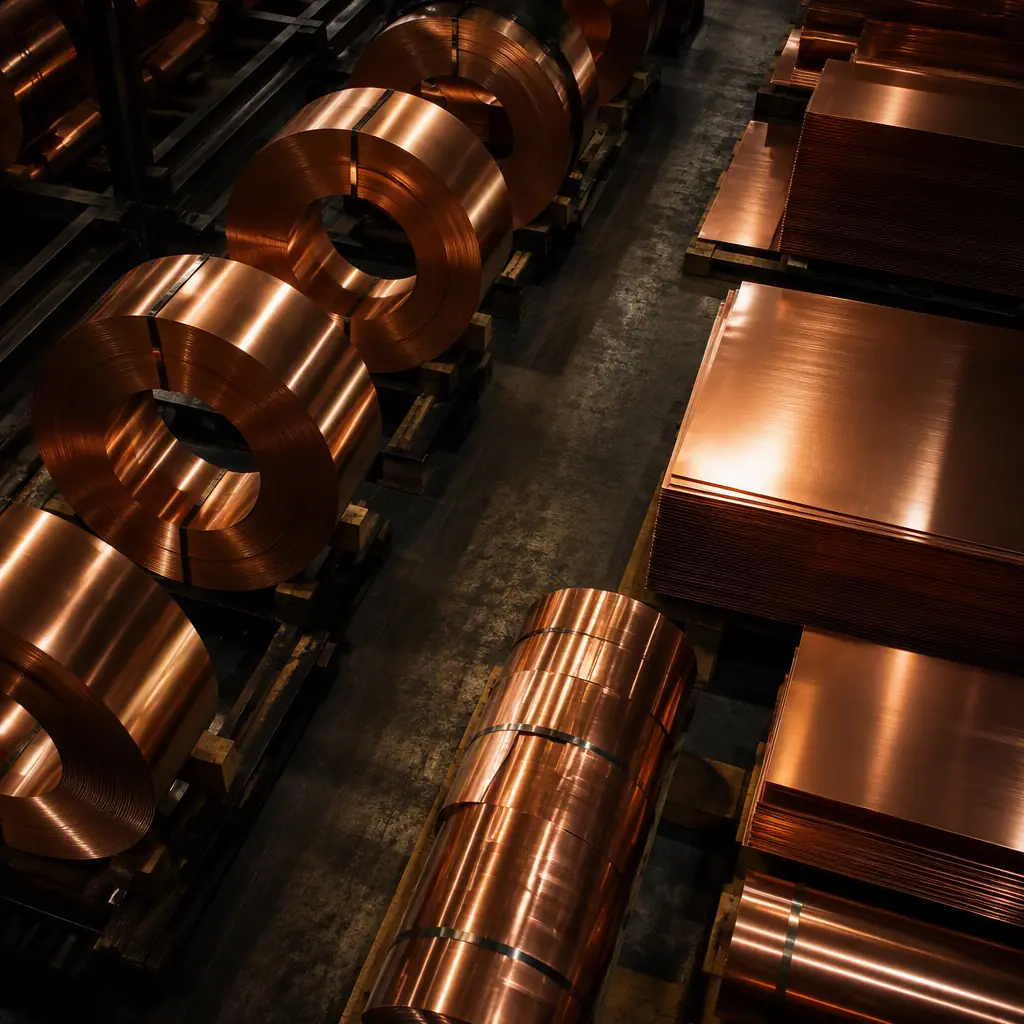
Copper is the single most quoted commodity in the PCB supply chain. LME copper has been trading in the high single-digit-thousands per tonne through 2024-2026, call it around $9,800 / t as a working figure. That one number sets the price of the rolled copper foil in your laminate and the copper anode used in the plating line. When LME rises a few percent, a fabricator's copper spend follows almost immediately.
The critical nuance is that copper's share of a board is not fixed, it depends on copper weight. A standard 1-oz signal board carries only a small share of copper in its substrate and plating cost, so copper moves barely touch the quote. A 4–6-oz heavy-copper board, by contrast, is almost a copper product: your copper can dominate the substrate-plus-plating cost. That is the practical difference between the copper weight you choose and the cost you pay.
| Board type | Copper content | Copper share of substrate + plating | How sensitive to LME |
|---|---|---|---|
| 1 oz signal board | Briefly 35 µm | ~15 % | Low |
| 2 oz power board | 70 µm | ~30 % | Moderate |
| 4-6 oz heavy copper | 140–210 µm | 60 %+ | High, moves the whole quote |
Key Takeaway: If a 6-oz heavy-copper board jumps in price, copper is the first suspect. If a 1-oz signal board jumps the same amount, look elsewhere, laminate, gold, freight or FX. Judge the increase against the design, not the world.
Gold & Surface Finish: Where the Precious Metal Shows Up

Gold is the other commodity that makes its way into the board, and it is priced off the spot market, roughly $2,700 / oz in 2026. In an ENIG (electroless nickel immersion gold) finish, the deposit is thin, but even a 2 µin (0.05 µm) gold layer is priced off that spot number. Every hundredth of a microinch of gold in the spec multiplies a surface-finish price that is already the most expensive finish family on a bare board.
That is why surface-finish choice is a prime cost lever. HASL (hot air solder leveling) uses mature tin-lead chemistry, while ENIG deposits nickel plus a thin gold cap on every pad. The result: an ENIG finish can cost on the order of 10× a HASL finish per board. When you pair that with a rising gold market, the delta widens. The ENIG vs HASL vs OSP cost comparison is the right place to check whether your finish is over-specified. And if you are paying for gold on wire-bond or connector pads specifically, review the hard vs soft gold plating distinction before assuming a blanket finish.
Procurement Tip: The gold layer in ENIG is specified in microinches. Ask your fabricator for the exact spec on the drawing. A board spec'd at 3 µin of gold costs meaningfully more than one at 2 µin, regardless of the gold market. Match the finish to the function.
FR-4 Laminate & the Substrate: The Biggest Single Input
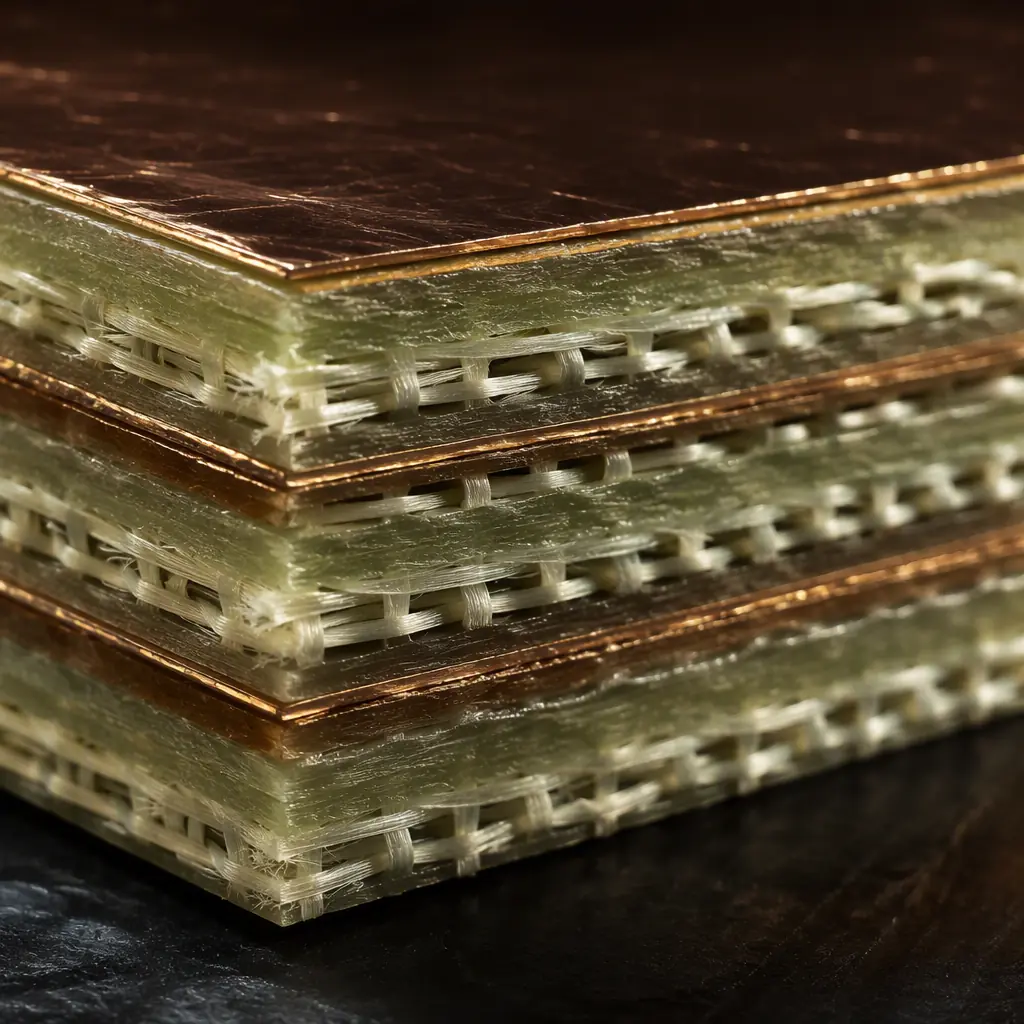
If copper is the input that gets the attention, the copper-clad laminate (CCL) is the input that quietly drives most of the bare-board cost. A CCL is glass fiber cloth + epoxy resin + rolled copper foil, pressed and cured into the core. On a typical FR-4 board, the laminate is the single largest bare-board raw material, around 40 % of the substrate material cost before any fabrication.
Because a laminate has three components, it has three supply chains. Epoxy is a petrochemical and tracks crude oil and resin supply. Glass fiber cloth is a tightly supplied woven product that bottlenecks when demand spikes. Copper foil tracks LME. When any one tightens, most commonly glass fiber during a demand surge, laminate prices move even if copper is flat. Choosing a board material is therefore a cost decision, and the laminate selection guide shows how material grade and glass style set the substrate budget before a single process runs.
Key Takeaway: Laminate is contracted, not spot-priced, which means it lags the commodity market. A laminate-driven increase often arrives weeks after the raw-material move and is more persistent than a copper blip. Model it as structural, not temporary.
Solder, Logistics & Electricity: The Overlooked Inputs
Copper, gold and laminate get the headlines, but three quieter inputs decide whether a quote is competitive. Solder, the tin-lead and tin-silver alloys in SMT paste and wave solder, is a real cost on every assembled board, and tin tracks the metals market like copper does. Then there are two non-material costs that move independently: logistics and electricity.
For a Shenzhen fabricator, industrial electricity is a meaningful share of production cost, and Chinese industrial power tariffs have trended with energy policy. Freight is exposed to container rates, fuel and port capacity, and the whole picture is priced in RMB while you are quoted in USD, so the USD/CNY rate is an input in its own right. A fabricator with 8 SMT lines and 4 DIP lines running 8 million placements per day has a large energy and logistics bill that has to be spread across every panel. These are the inputs that explain why two identical quotes from two plants can differ without either being inflated.
How to Tell if a Price Increase Is Justified
When a quote moves, apply this five-step framework before you push back, and before you accept. The goal is to separate a market-driven increase from a supplier using a headline as cover.
Check the three indices it names
Ask the supplier which commodity moved and by how much. Cross-check LME copper, spot gold and the CCL/FR-4 index for the period. A named, dated reference is verifiable; a general "materials went up" is not.
Map the increase to the design
Copper claims should come with a heavy-copper board; gold claims with an ENIG finish; laminate claims with a high-layer-count or thick core. An increase that does not match the design's raw-material profile is suspect. Revisit the full cost-driver list to check every box.
Ask for the pass-through math
A credible supplier shows the old input cost, the new input cost, and how the delta lands on your board. If they cannot show the arithmetic, the increase is a line item, not a cost.
Check the timing
Copper and gold move weekly; laminate lags. If the increase arrives the week after a headline spike, it may be opportunistic. If it arrives a month after a structural supply squeeze, it is likely real.
Benchmark against another supplier
Get a second quote for the same board and compare the movement. If two independent plants move the same way, it is market. If only yours moved, it is commercial.
Procurement Tactics: Locking In Cost, Hedging, and Aligning with Suppliers
Once you know an increase is real, the response is not to fight it but to manage it. Three tactics hold cost stable even in a volatile input market. First, lock material at the design stage: reducing copper weight, trimming gold thickness and choosing a cost-effective finish removes the most market-exposed inputs before they ever reach a quote.
Second, structure the agreement to absorb swings. A quarterly price review tied to a published copper, gold or CCL index lets both sides share the risk instead of re-quoting from scratch. Many procurement teams add an explicit material-adjustment formula to the framework order rather than renegotiating every month. That is the practical heart of how to negotiate PCB prices.
Third, judge supplier on stability, not just the number. A supplier who calls a market move honestly and shares the index data is a partner you can plan around, even at a slightly higher price today. The unit price alone is misleading . A supplier that hedges its own materials or holds capacity through a squeeze lowers your total cost over a program, not your per-piece number on one order.
Procurement Tip: Add a material price adjustment clause to framework agreements. Specify the index, the base date, and the threshold before it triggers. Then get a second quote on the same revision and compare movements, using the quote comparison guide so you are not comparing apples to oranges.
Summary & Next Steps
PCB pricing is a commodities story as much as a design story. Copper at LME drives the foil and plating, gold drives the ENIG finish, FR-4 laminate drives the substrate, and solder, freight, electricity and FX sit under all of it. When a quote moves, the difference between a partner and a price-shopper is the ability to explain which input moved and how much of it landed on your board.
At Huaxing PCBA we quote against LME copper, spot gold and the CCL index, and we can show you the pass-through arithmetic on any revision. We run 8 SMT lines, 4 DIP lines and support up to 32 layers inside a 15,000 m² facility with 500+ staff, processing over 8 million placements per day for customers in 30+ countries. We are ISO 9001, IATF 16949 and UL certified, and we build to a documented quality system on every lot. Upload your files for a quote and we will break down the input-cost chain behind your numbers, or talk to our engineering team about a material-awareness plan for your program.