
Industries / Medical Devices
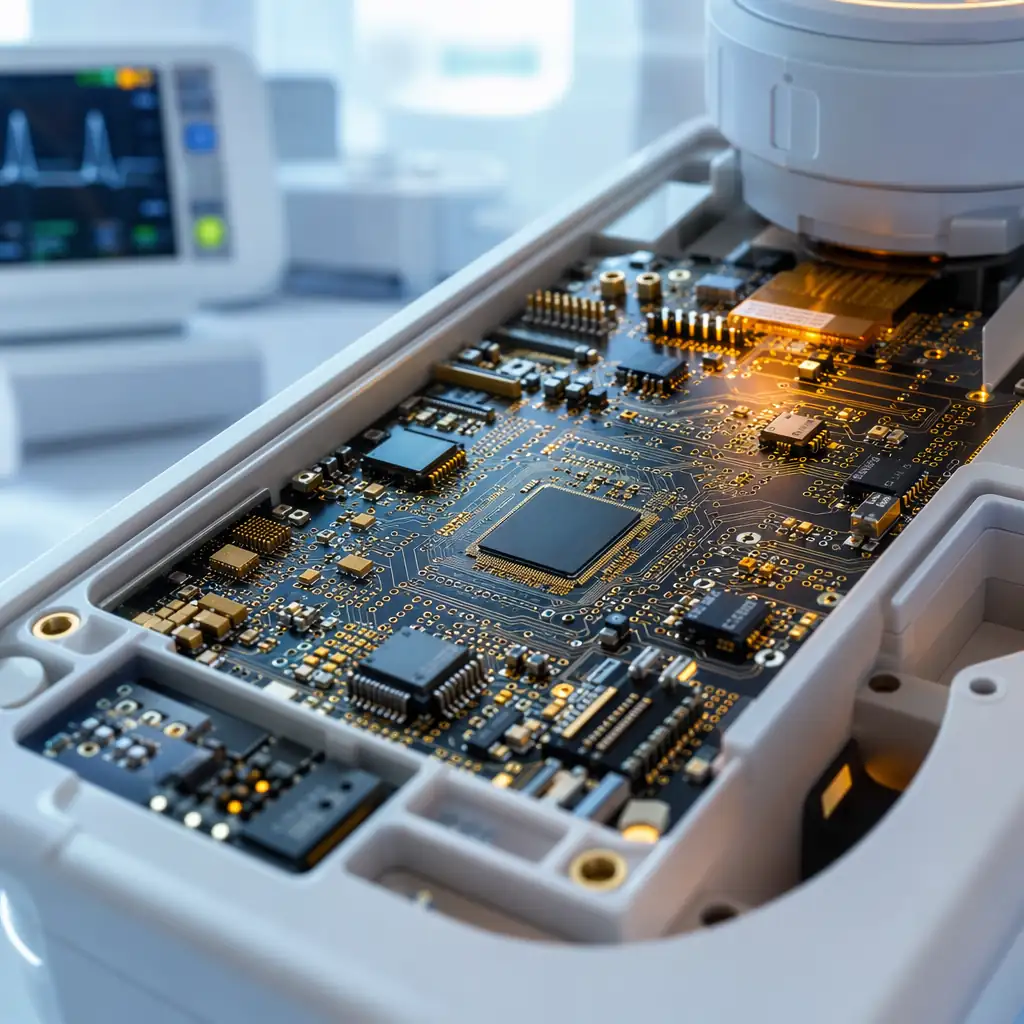
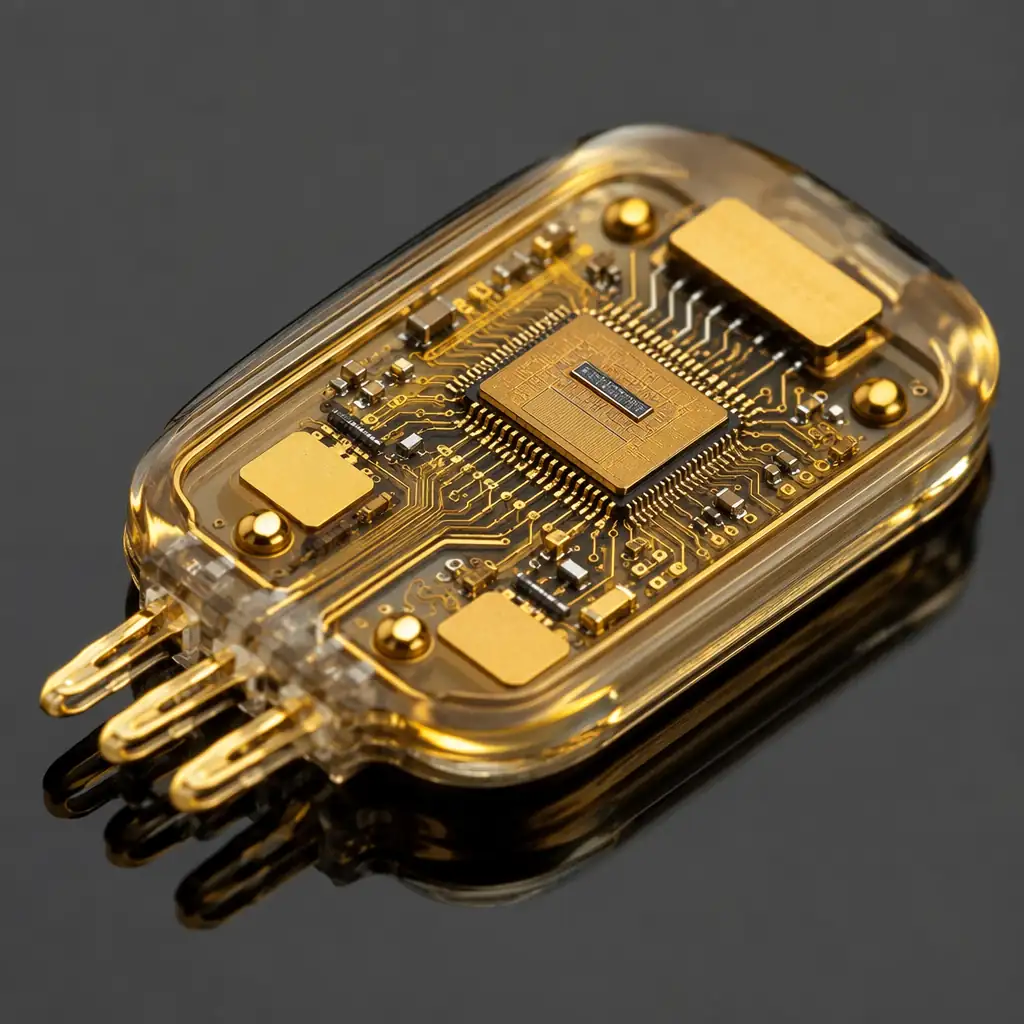
ISO 13485 certified medical PCB manufacturer. From implantable neurostimulators to CT scanner backplanes, Class 100K cleanroom assembly, full UDI traceability, ISO 14971 risk management. Zero field failures across all medical programs since 2018.
Manufacturing Excellence
Full quality management system with ISO 14971 risk management integration. IQ/OQ/PQ process validation, documented change control, and Device History Records on every batch.
HEPA filtration with positive pressure and continuous particle monitoring. Full gowning protocol, ESD control per ANSI/ESD S20.20. Segregated medical tooling.
Any-layer HDI for implantable and wearable miniaturization. 0.3mm minimum board thickness. ±25µm layer-to-layer registration.
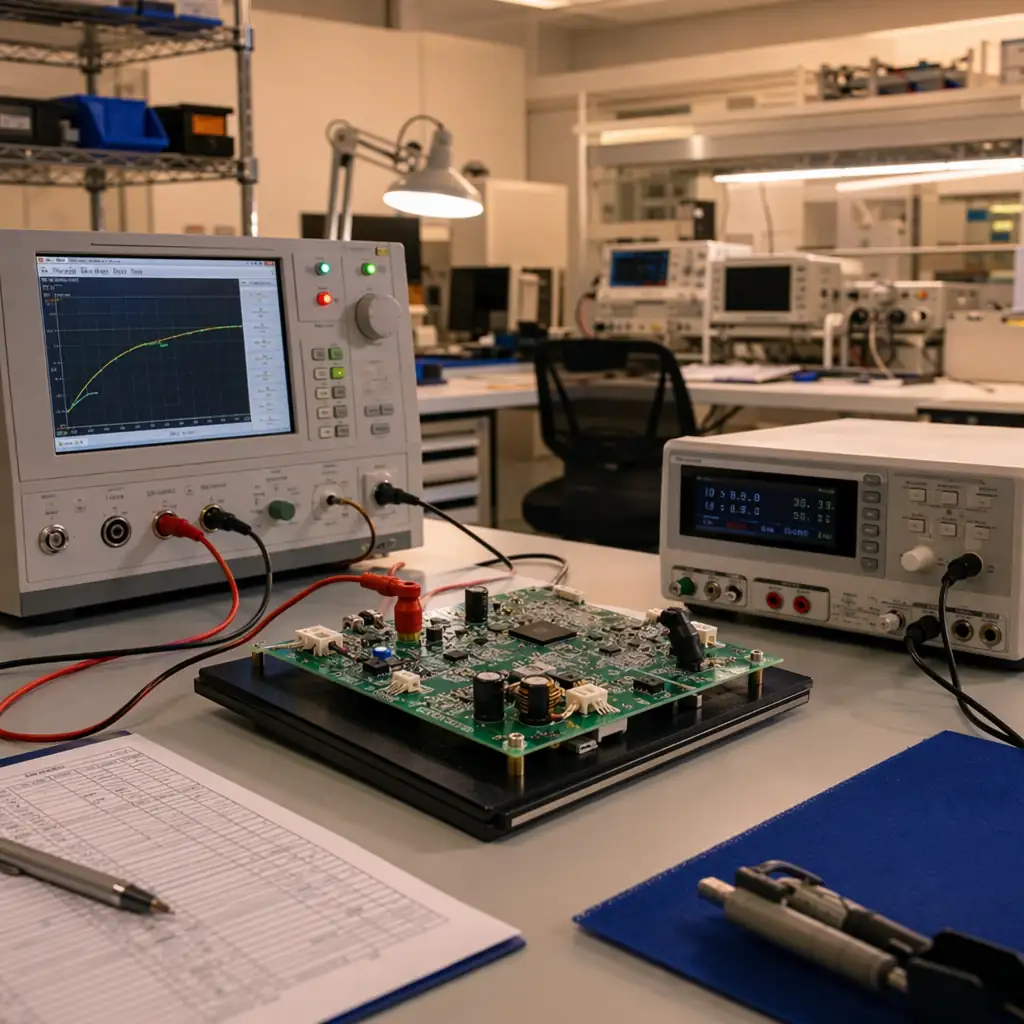
AOI + X-Ray on every board. ICT/FCT on every board. No sampling, full inspection for life-critical devices. DHR with complete test data per serial number.
Parylene C and medical-grade silicone conformal coating. Low-outgassing laminates for sealed implantables. Lead-free SAC305 with biocompatibility data.
Zero medical device field failures since 2018. Full component lot traceability with 2-hour batch identification. Extended lifecycle component management for 15-year device programs.
Why ISO 13485 Matters
ISO 13485 is not "ISO 9001 for medical." It adds mandatory requirements for risk management, process validation, traceability, and post-market surveillance. Every process change must go through a documented risk assessment per ISO 14971 before implementation. The fundamental difference: ISO 9001 focuses on customer satisfaction; ISO 13485 focuses on patient safety.

Cleanroom & Biocompatibility
A particle of dust smaller than a human hair can create a latent short circuit that passes electrical test at the factory and fails 6 months later in a patient-worn device. Our medical line maintains controlled contamination levels with HEPA filtration, positive pressure, and continuous particle monitoring.
| Device Category | Key PCB Requirements | Huaxing Capability | Quality |
|---|---|---|---|
| Implantable Devices | Ultra-miniaturized HDI, biocompatible, hermetic, 10+ year reliability | 75µm µvias, any-layer HDI, AuSn solder, parylene coating | IPC Class 3 |
| Diagnostic Imaging | High-layer backplanes, impedance ±5%, large format 600×800mm | Up to 32 layers, Rogers/Megtron 6, TDR-verified | IPC Class 3 |
| Wearable Monitors | Flex/rigid-flex, 0.3mm thin, biocompatible skin-contact | Dynamic flex zones, 0.3mm minimum, medical-grade solder mask | IPC Class 2+ |
| Surgical Instruments | HV isolation, sterilization-compatible, HiPot tested | 4kV HiPot, autoclavable materials, 100% ICT+FCT | IPC Class 3 |
| Patient Monitoring | Mixed-signal precision, EMI shielding, extended lifecycle | Precision analog routing, selective EMI plating, certified components | IPC Class 2+ |
| In-Vitro Diagnostics | Gold contacts, optical sensor interfaces, corrosion resistance | ENIG/ENEPIG/hard gold, ±25µm registration | IPC Class 2+ |
DFM review with medical-specific rules. FMEA before production release.
Cleanroom PCB fabrication. Segregated tooling. Real-time SPC monitoring.
Class 100K SMT. IQ/OQ/PQ validated. Full barcode-level lot traceability.
AOI + X-Ray on every board. ICT+FCT. µA leakage test for battery devices.
Complete Device History Record, CoC, SPC reports. FDA/CE submission ready.
Supplier Qualification
A PCB supplier with only ISO 9001 creates a regulatory gap you'll have to fill with your own supplier quality agreements and audits. When FDA auditors review your device master record, they trace the supply chain: including PCB manufacturing, for evidence of process validation and risk management.
Inside the Facility
Certificates renew every 3 years. Surveillance audits reveal the real story: non-conformances, closure speed, repeat findings. A clean cert with repeat NCs means the system exists on paper.
Laminate suppliers change formulations without notice. Each new batch must be re-qualified for biocompatibility before entering production for medical designs.
Immediate quarantine, 48-hour root cause, lot traceability, customer notification within 24 hours, corrective action with effectiveness verification.
Stencils, fixtures, and test jigs for medical devices must be stored separately to prevent cross-contamination. Shared tooling is a contamination risk that FDA auditors will flag.
Send us your design files and device classification. We'll respond within 24 hours with a DFM analysis, medical-specific risk assessment, and process validation plan, from an ISO 13485 certified manufacturer with zero medical field failures.
Upload your Gerber files and device classification. We'll respond within 24 hours with DFM review, risk assessment, and medical PCB quote.