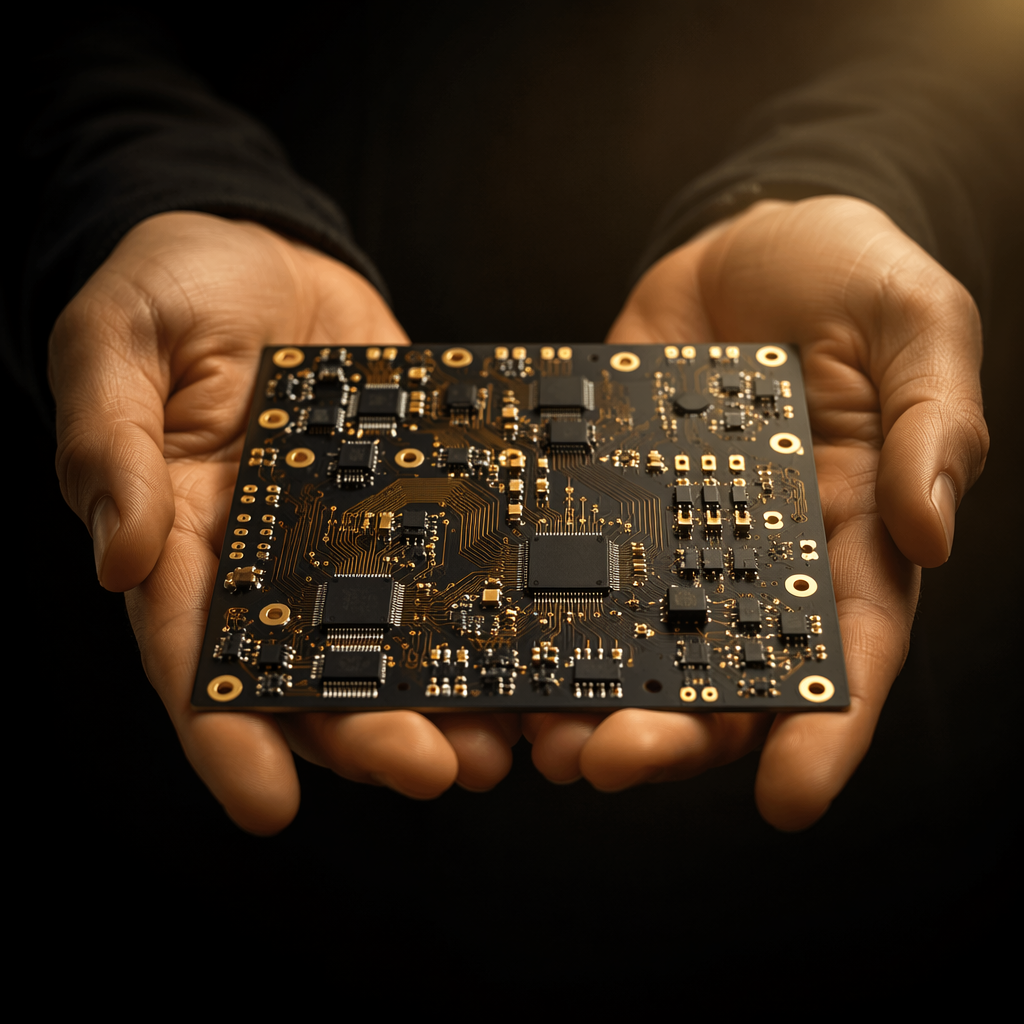
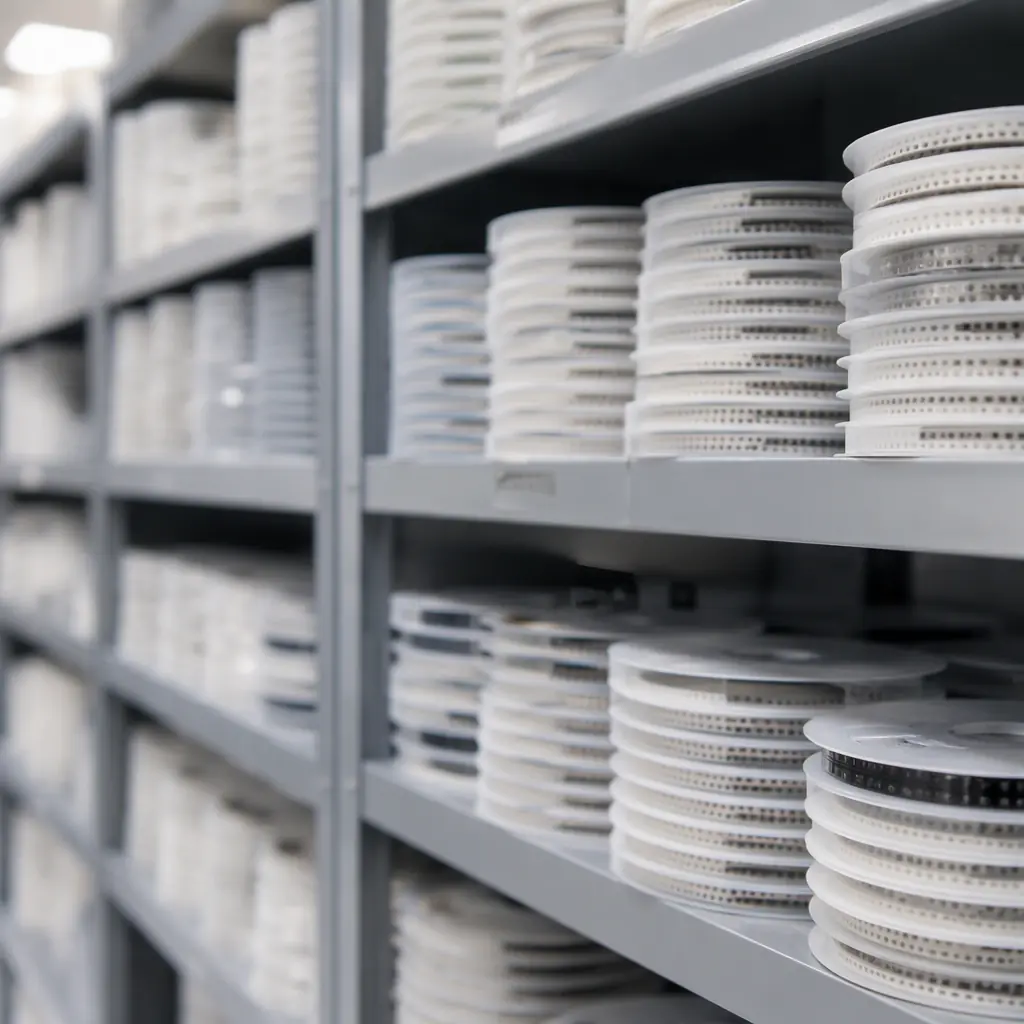
Ask a procurement manager what their board costs and they will usually quote the fabrication and assembly. Ask them what their components cost and the answer gets more complicated. Because in most electronic products, the bill of materials is the single largest line item, frequently landing at 30–60% of total unit cost and, not infrequently, driving the lead time rather than the PCB itself. Component sourcing is not an administrative detail bolted onto manufacturing; it is half the economic and schedule problem.
At Huaxing PCBA, component sourcing is one of the six services we run in-house, with access to 500K+ component lines from 200+ authorized suppliers. That scale changes what "let us buy your parts" actually means. And it is worth understanding exactly what a factory does under the hood before you decide how much to hand over. This guide walks through the sourcing models, the risks, and the levers that actually move your cost.
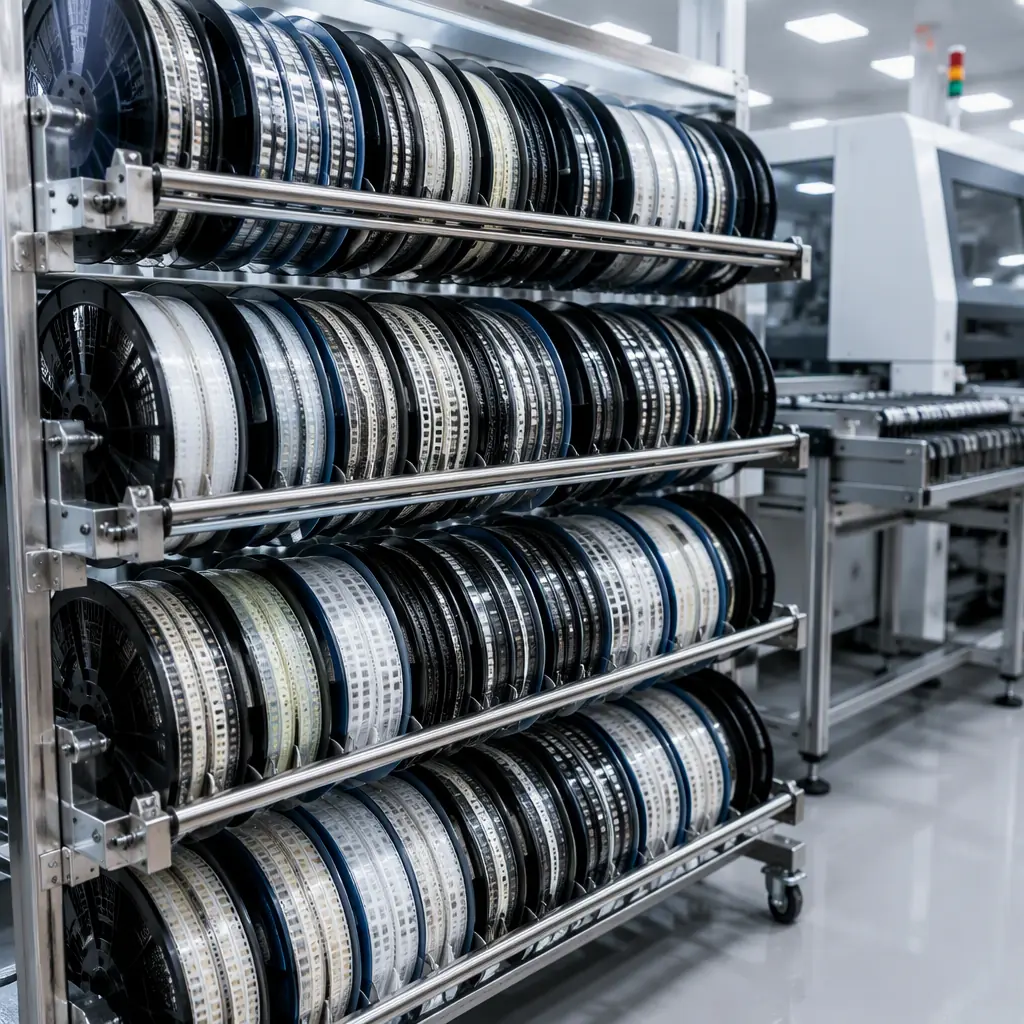
Turnkey vs Consigned vs Partial Turnkey, the Three Sourcing Models
The first decision is not "who buys the parts" but "who owns the risk and the margin on those parts." Each model shifts cost, exposure and accountability in a different direction. Choosing well usually means aligning the model to your cash-flow and your supplier's strength, not to habit.
| Model | Who buys | Who owns cash & inventory | Best for | Main risk to buyer |
|---|---|---|---|---|
| Turnkey | Factory | Factory, until shipped | First-time builds, small/medium volumes, many parts | Less visibility into per-part price and alternates |
| Consigned (Kitted) | Buyer | Buyer | Critical / trusted parts, existing frame-agreements, high volume | Tied-up capital, storage and obsolescence on you |
| Partial turnkey | Split | Split | Mix of trusted and commoditized parts | Boundary management and traceability |
Turnkey consolidates responsibility and is usually the lowest-friction path for overseas buyers, but it trades away line-item visibility. Consigned keeps control and often secures better pricing on parts you already buy in volume, but it puts the capital and the risk of a dead-stock write-off on your books. Partial turnkey is the pragmatic middle: commodity components go turnkey, long-lead or functionally critical parts stay on your contract. For the model-level decision in more depth, see our consignment vs turnkey assembly comparison.
How a Factory Actually Sources Your BOM
Behind the "turnkey" label is a repeatable pipeline. Understanding it lets you ask the right questions on a quote call instead of being surprised a week before delivery.
BOM clean-up and qualification
The factory parses your BOM, normalizes manufacturer part numbers, and flags line items that are ambiguous, obsolete, or written with a specific supplier that cannot be sourced. A clean BOM at this stage prevents most downstream delays.
Supplier & channel quote
Each line item gets a quote from the authorized channel, the franchised distributor or direct manufacturer, not an open-market broker. This is where counterfeit risk is already being pushed out before anything is ordered.
Long-lead and allocation review
Parts with a 20-50 week lead time are escalated early. The factory either secures allocation, proposes a functionally equivalent alternate, or flags them so you can decide before manufacturing is blocked. This is the step that protects your lead time.
Value engineering & alternates
Lower-cost equivalents, closer tolerance or obsolete-flagged substitutes, and packaging-size economies. Done right, BOM engineering trims cost with no reliability penalty, done badly, it introduces an unqualified part. This belongs to BOM cost reduction strategy.
100% incoming inspection
On delivery, parts are verified against the purchase order, reel count, date code, part marking, and for connectors and critical ICs, X-ray and decap verification. No part reaches the line on trust alone. See our counterfeit detection guide for the checks.
Key Takeaway: Turnkey sourcing is a controlled pipeline, not a one-line quote. The supplier channel, the allocation review and the incoming inspection are where a factory earns its keep, and where a cut-rate quote hides its risk.
The Two Risks That Actually Matter: Counterfeit and Obsolescence
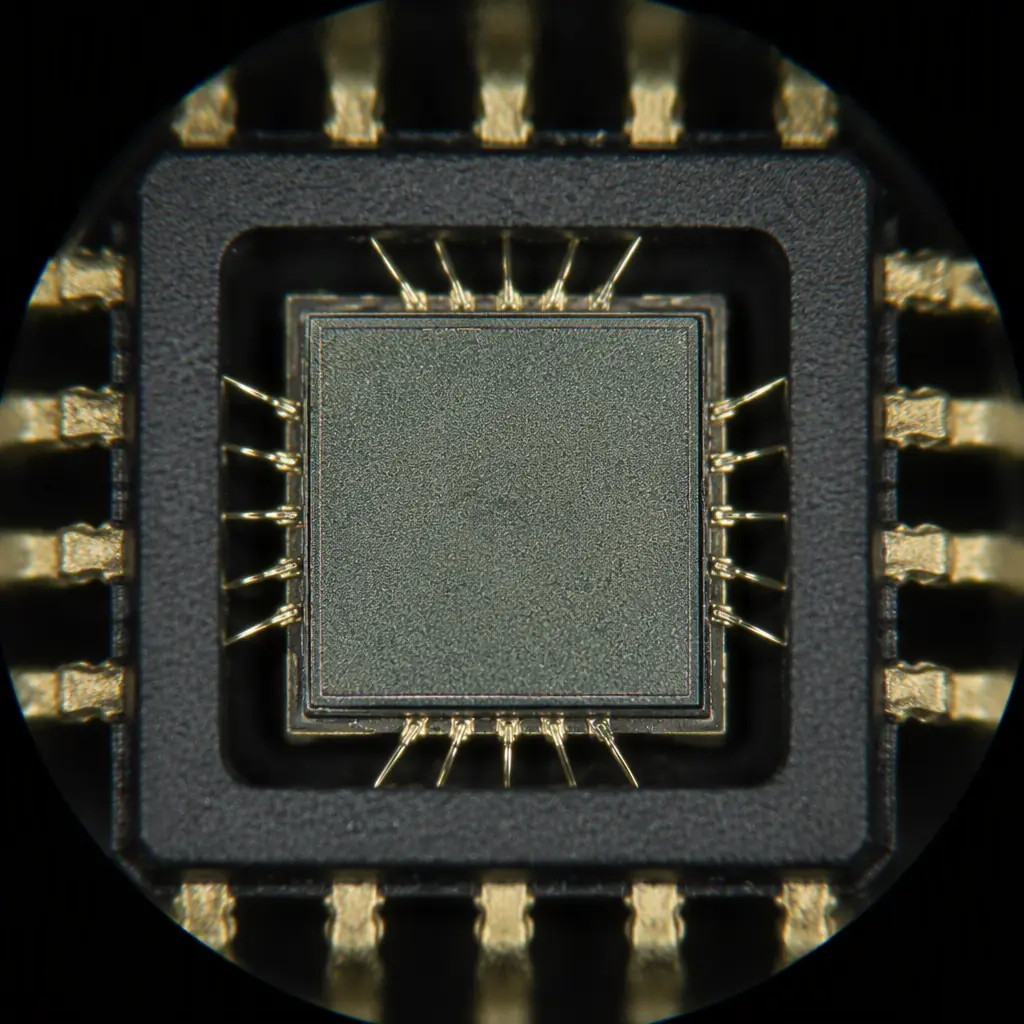
Component sourcing has two credible failure modes, and neither is "the price changed." Counterfeit parts stop working far from your warehouse, and obsolete parts stop being available far from your forecast.
Counterfeit parts
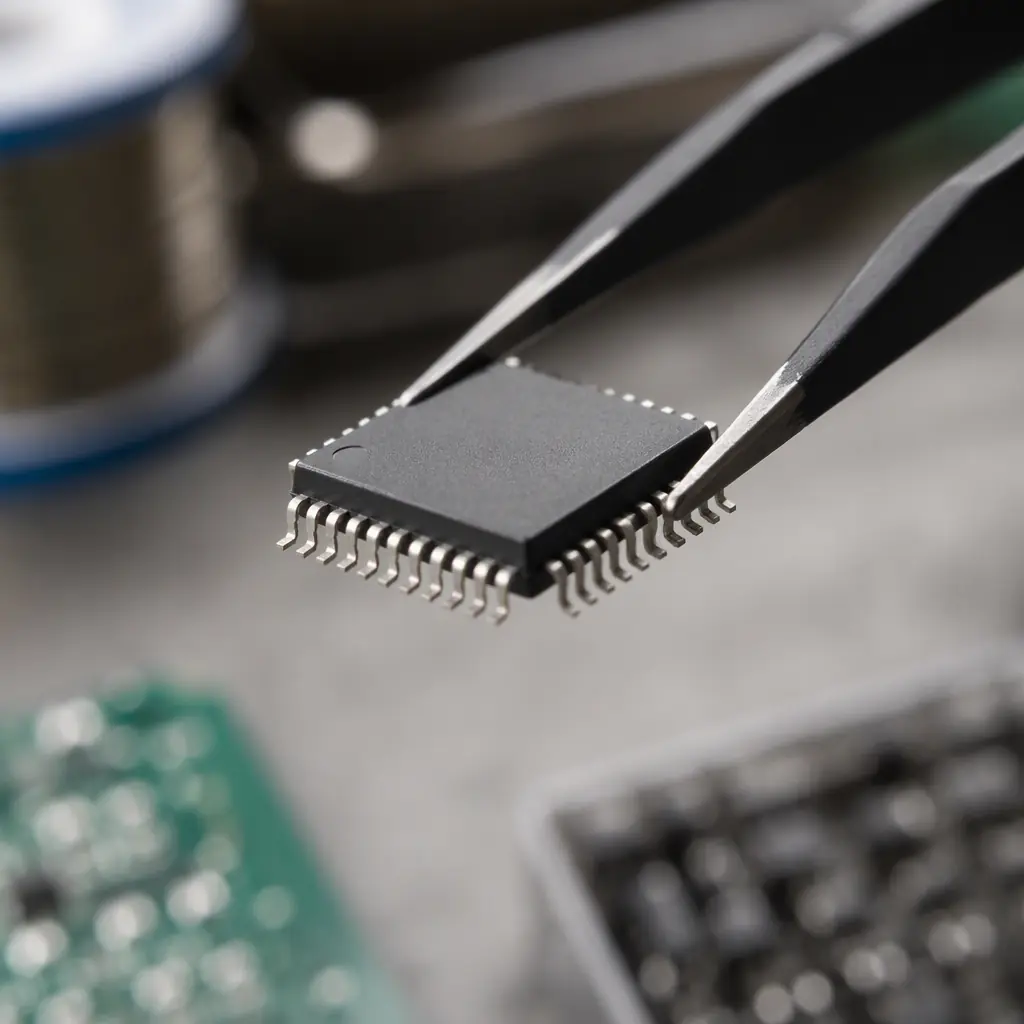
Sourced through a bridge market, an IC can be remarked, recycled or refinished and pass a visual check. The defense is buying through authorized channels and then verifying with 100% incoming inspection, x-ray, decap and electrical verification for suspect parts, and enforcing a clear counterfeit-disclosure clause. Track exactly this in our dual sourcing playbook.
Obsolescence & last-time-buy
When a manufacturer announces end-of-life, the factory should trigger a last-time buy, a qualified alternate, or an approved obsolescence management plan, not quietly substitute unannounced. The warning window for EOL notices is your control lever.
BOM Optimization Levers That Cut Cost Without Touching Quality
Cost in a BOM is not fixed. The same functional part list can be 10-15% cheaper through disciplined engineering, and the savings go straight to your margin, not the factory's.
| Lever | What it does | Risk if done poorly |
|---|---|---|
| Alternate qualified parts | Second-source an equivalent with better availability or price | Unqualified substitute changes reliability |
| Value engineering | Replace over-specified parts with parts that meet the true requirement | Margin erosion on an over-tested function |
| Package / tape-reel size | Buy in the reel size that matches your run, no cut-tape waste | Short reel causes a mid-run stop |
| MOQ consolidation | Batch orders to hit minimums and avoid small-quantity premiums | Excess inventory and dead stock |
| Lead-time buffering | Buy long-lead items earlier, separately from the main order | Tied-up working capital |
Every one of these is a value-engineering decision that a capable sourcing team makes in consultation with your engineering, not unilaterally. That is the difference between a partner and a parts broker. Read our BOM cost reduction strategies for the full negotiating framework.
Lead-Time Red Flags and What to Demand in Writing
Procurement tip: Before you place a turnkey order, ask the supplier to state in writing: (1) the sourcing channel for every line item, (2) the confirmed lead time after a components-availability review, (3) the alternate-and-approval process if a part is unavailable at that price, and (4) the counterfeit/obsolescence remedy you are entitled to. A supplier that hedges on these four is telling you what your risk profile will be.
The Metrics to Track
Treat component sourcing like any other supplier performance: measure it. The four numbers below tell you whether the model is working before it costs you a build.
Parts-per-million (PPM) incoming defect rate
The fraction of parts that fail your incoming or outgoing inspection. This is the single best early signal of a smuggling-channel source.
Components-availability delay
Number of days the build waits on parts. Track it separately from PCB fabrication; it is almost always the bigger number.
Attribute & alternate approval turnaround
How fast the supplier gets your sign-off on an alternate. Slow alternates are a hidden schedule risk you can negotiate away.
Obsolescence EOL coverage
Percentage of your BOM covered by a documented last-time-buy or alternate plan. Zero is a red flag; 100% is a mature sourcing partner.
The 10-Second Buyer's Summary
Key Takeaway: Components are usually your biggest and slowest cost line, so treat sourcing as a discipline, not an afterthought. Pick the model (turnkey, consigned, partial) that matches your cash-flow and your supplier's real strength, insist on authorized-channel sourcing plus 100% incoming inspection, and negotiate the alternate-and-approval process in writing. That is where the margin and the schedule actually live.
At Huaxing PCBA we source components across 500K+ lines from 200+ authorized suppliers, with turnkey, consigned/kitted, and partial models, 100% incoming inspection and an embedded counterfeit-prevention program. Our 8 high-speed SMT lines and BOM-engineering team run the two together so the parts you ordered are the parts that print. We are ISO 9001 and IATF 16949 certified and serve teams in 30+ countries. Upload your BOM for a quote or talk to our sourcing team about the right model for your product.