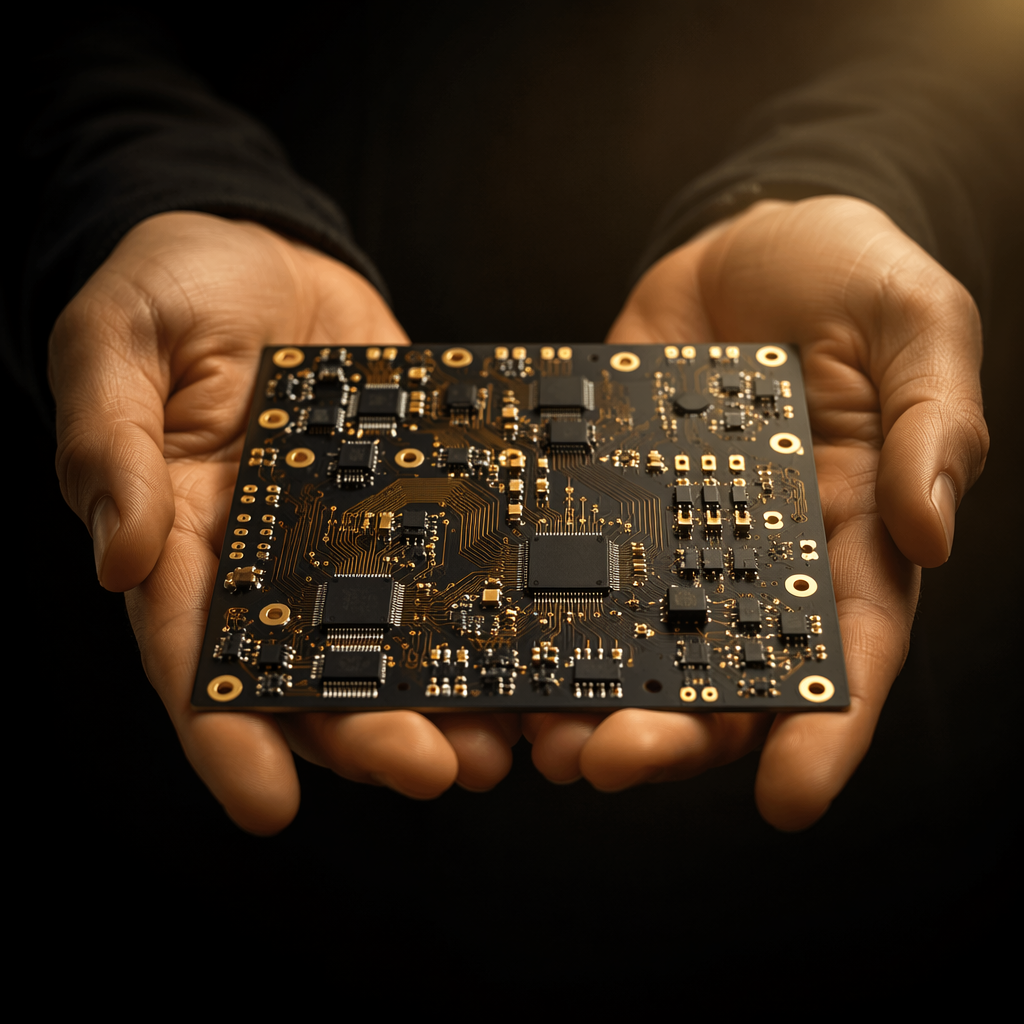
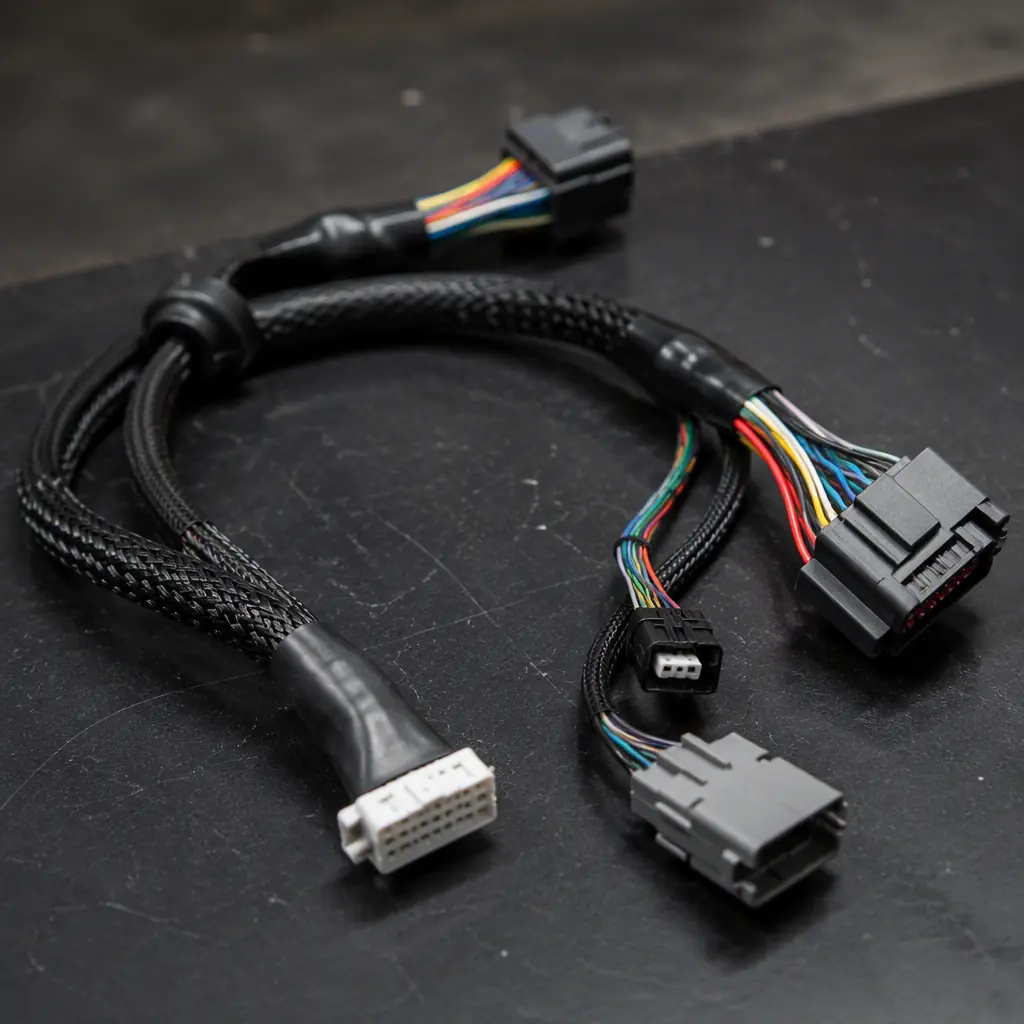
It shows up again and again in box-build programs: the printed circuit board is flawless, the assembly is soldered to a high standard, and the product still fails in the field. The culprit is almost always the wire harness, the unglamorous bundle of wires, connectors and terminals connecting the board to the world. Because harnesses are rarely spec'd with the same discipline as the PCB, they become the single largest source of intermittent field failures and warranty returns.
This matters for any procurement team considering consolidating box-build: a supplier that can also do the harness removes an entire handoff, and an entire class of integration defects. At Huaxing PCBA, harness and cable assembly runs as part of our box-build service alongside 8 SMT lines and 4 DIP lines, and every harness leaves the bench only after a documented electrical test. This guide is the judgment framework you need when a PCBA supplier tells you they do harnesses too.
What a Wire Harness Actually Is, and Why Buyers Underrate It
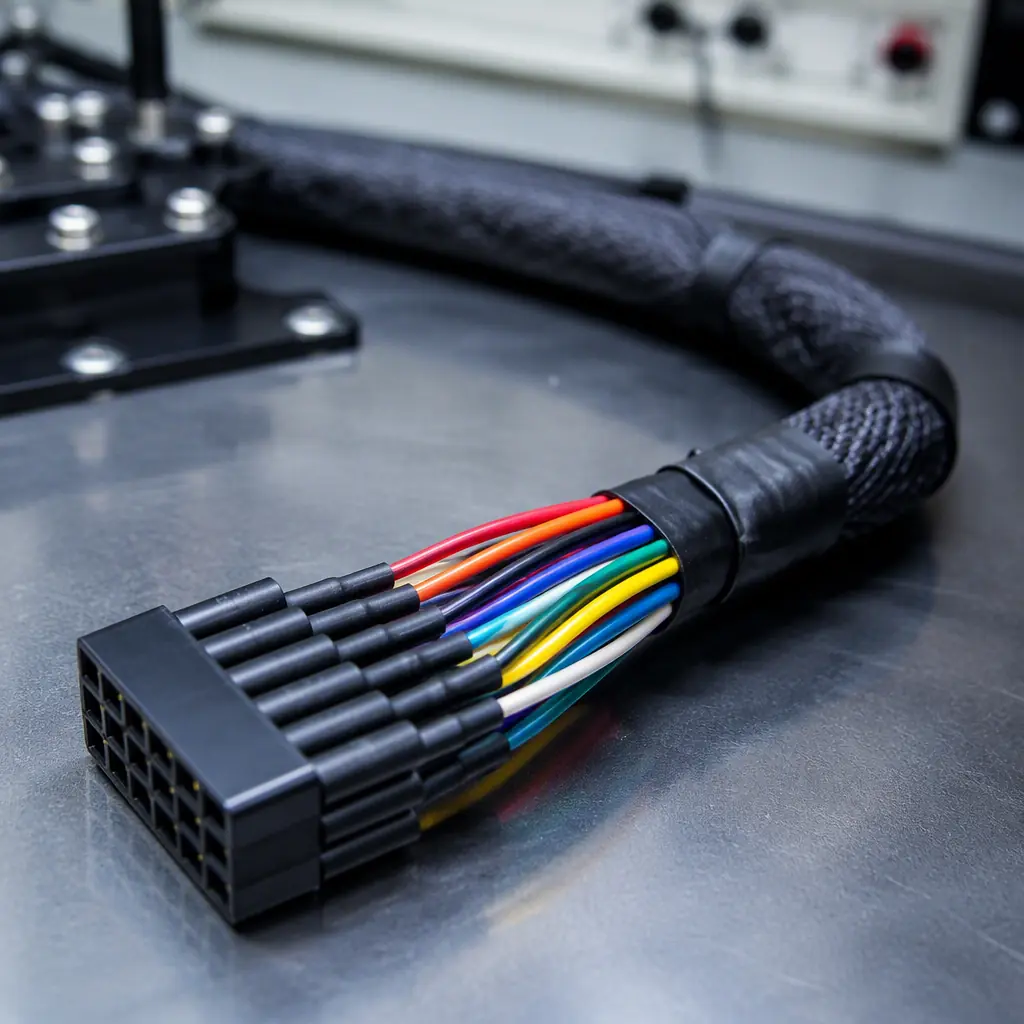
A wire harness is a system of electrical wires, cables and connectors bound together to carry signals and power between different parts of an assembly. The difference between a good harness and a cheap one is not the wire gauge alone. It is the discipline of engineering every element: wire type and insulation, connector selection, terminal crimp quality, strain relief, routing, and protection. On an assembly line, a harness is cut, stripped, crimped or soldered, spliced, taped, laced, sleeved and stress-tested before it meets the PCB.
The reason buyers underrate harnesses is that they look finished on arrival. A loose connector, a cold crimp, or a wire pulled back in the strain relief does not show until the unit is under vibration, temperature cycling or load. Which is exactly where most field returns are born. Our box-build assembly guide explains why this final integration stage is where reliability is won or lost.
Harness vs Cable Assembly vs Loom, the Taxonomy a Buyer Must Know
The industry uses three overlapping terms, and suppliers are not consistently careful with them. Getting them right matters because each has a different scope, cost and acceptance regime.
| Term | What it is | Typical scope | When it's spec'd |
|---|---|---|---|
| Wire harness | Multiple discrete wires bound into a single bundle | Routing, branching, breakout | Complex multi-point interconnects |
| Cable assembly | One cable with connectors on one or both ends | Point-to-point link | Power/data link between sub-assemblies |
| Cable loom / sleeve | Housing or sleeve protecting a bundle | Protection and dressing | Adds mechanical and thermal protection |
When you write a purchase order, be explicit about which one you mean. The word "cable" in an RFQ can be read six different ways by six different shops, and that ambiguity is where rework and cost overrun hide. For a full picture of how this fits into the overall manufacturing flow, see our PCB assembly process guide.
The Six Electrical Tests That Prove a Harness Works
A harness that has not been electrically tested is a harness that has been assumed to work. The acceptance tests below are the minimum a serious supplier runs on every lot, and what you should ask for in writing.
Continuity & point-to-point check
A complete electrical path from every pin on one end to the matching pin on the other, checked against the wire list. This catches crossed wires, wrong pin assignments and open circuits in the shortest test time.
High-potential (hipot) / dielectric withstand
Applies a voltage between conductors and to ground to prove the insulation can survive line transients. This is the test that separates a real cable from one that leaks under load.
Insulation resistance
Measures the resistance between isolated conductors, normally at 500–1000 V DC, to catch degraded insulation, moisture ingress or pin-to-pin contamination.
Conductor resistance & contact drop
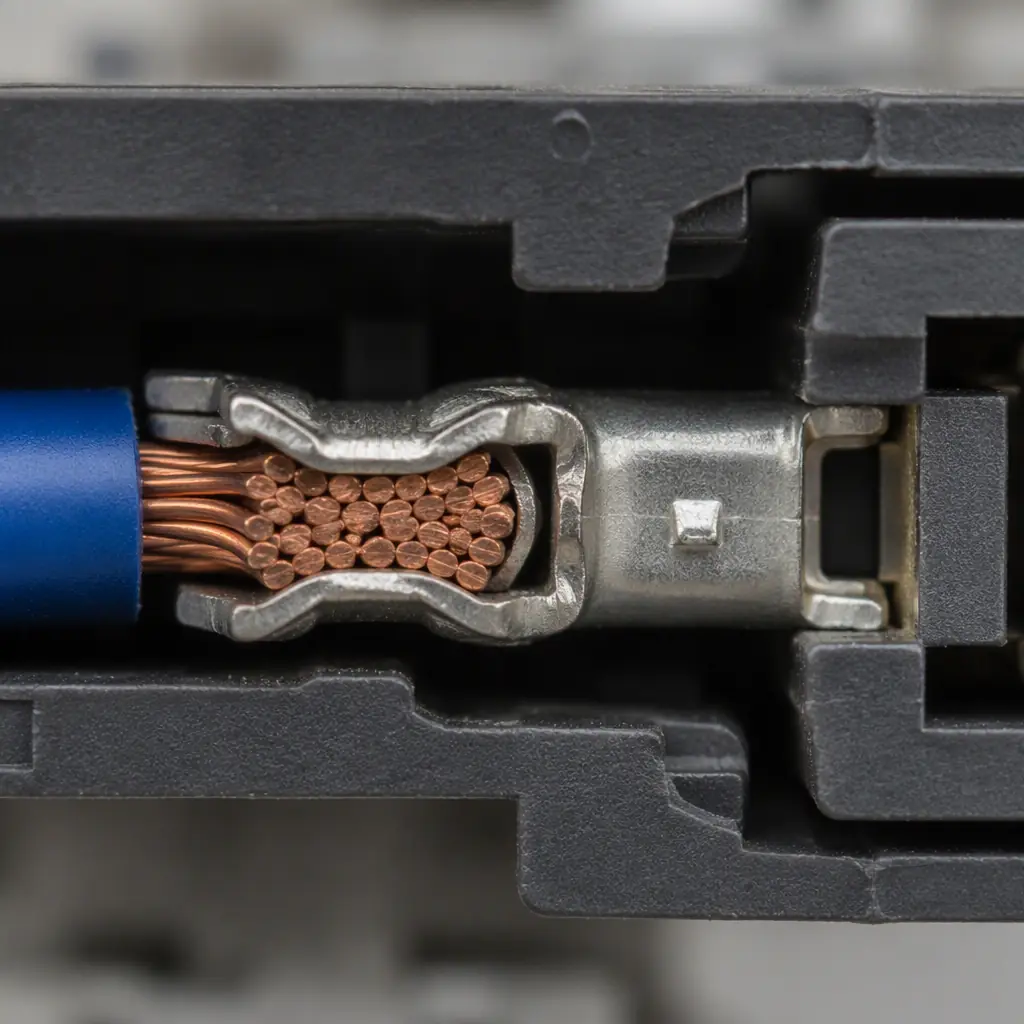
Validates that the cable length, wire gauge and terminal contact add only the expected resistance. High contact drop is a classic symptom of a bad crimp rather than a bad wire.
Crimp pull test & strain relief
A destructive sample test that pulls the wire out of the terminal to the specified force. This proves the crimp is mechanically sound, not just electrically passing.
Visual inspection
Final verification of stripper marks, contact seating, connector lock, heatshrink coverage and label placement against the workmanship standard.
Procurement Tip: A harness quotation is not complete until it states the test plan. Get the supplier to name the tests, the parameter values and whether they are 100 % or sample-based on every harness lot before you commit.
The Acceptance Standard: UL, CSA, CE and IPC/WHMA-A-620
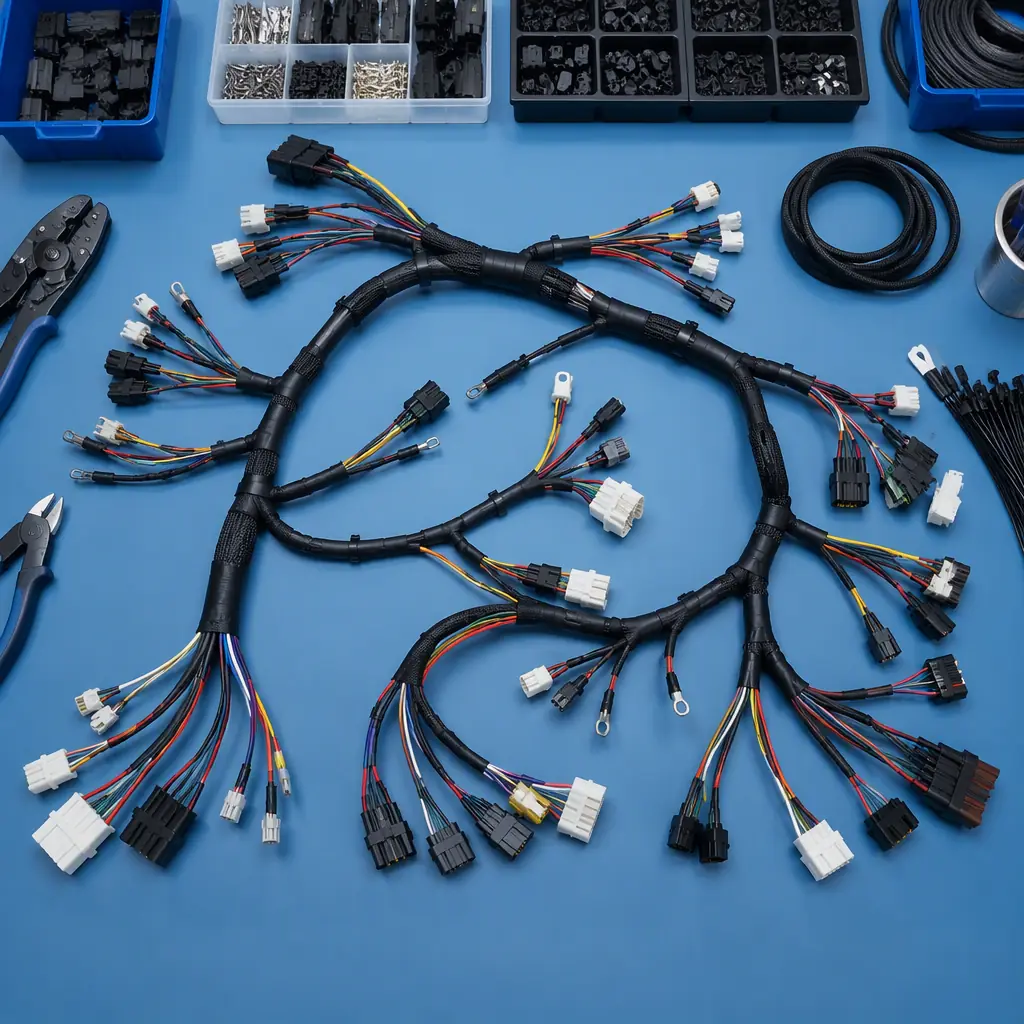
A wire harness is judged against two families of requirements: safety/agency certification and workmanship acceptance. The most referenced workmanship standard for harness and cable assemblies is IPC/WHMA-A-620, which covers the acceptance criteria for the materials, methods and verification of cable and wire harness assemblies. It defines what a crimp, a solder joint on a harness, a splice, or a strain relief must look like to be accepted.
On top of that, the harness carries the product's safety and market-access requirements: UL for North America flammability and electrical safety, CSA for Canada, and CE marking for the European market. If your product is heading to any of these regions, the harness and its materials must be agency-approved, not merely "safe-looking." Where packaging and handling also matter, see our ESD packaging & shipping standards guide for the broader protection chain.
Key Takeaway: Workmanship is IPC/WHMA-A-620, it defines whether a harness is built correctly. Agency certification is UL/CSA/CE. It defines whether the product can be sold in a region. Ask for both, and ask how they are documented, because a "yes, we do UL" with no certificate number is worth as little as a "yes, we test" with no test plan.
The 10-Second Buyer's Checklist
Key Takeaway: Deterministic harness sourcing reduces to four words, taxonomy, test, standard, evidence. State whether it is a harness or a cable assembly, demand a named electrical test plan, reference IPC/WHMA-A-620 and the applicable UL/CSA/CE marks, and require test records and certificate numbers with the shipment. If a supplier cannot name its test plan, it has not got one worth quoting.
How Huaxing PCBA Runs Harness Assembly in Box-Build
Harness and cable assembly is not an add-on we subcontract. It sits inside the same facility as our SMT and DIP lines, so the harness meets the board on a single integrated schedule. Our bundle of 8 SMT lines and 4 DIP lines feeds a box-build floor that runs harness cut/strip/crimp, soldered terminations, splice and overmold, plus continuity and hipot test benches before final integration.
Because it is one plant, one quality system and one project team, a harness that is not right is caught before it ever reaches the enclosure, not after your product ships and fails. The whole programme runs under a single ISO 9001 and IATF 16949 quality management system, with UL certified materials and a documented test record for every harness lot. That is the reliability argument for consolidating your harness with your PCBA supplier in the first place.
For the strategic picture of why a single supplier across PCBA and box-build simplifies your supply chain, read our EMS vs ODM vs OEM comparison and the turnkey PCB assembly guide.
At Huaxing PCBA we run 8 SMT lines, 4 DIP lines and a dedicated harness and box-build floor inside a 15,000 m² facility with 500+ staff, processing over 8 million placements per day for customers in 30+ countries. We are ISO 9001, IATF 16949 and UL certified, and we document a test plan with the harness just as we do with the PCB. Upload your files for a quote or talk to our engineering team about your harness and box-build specification.