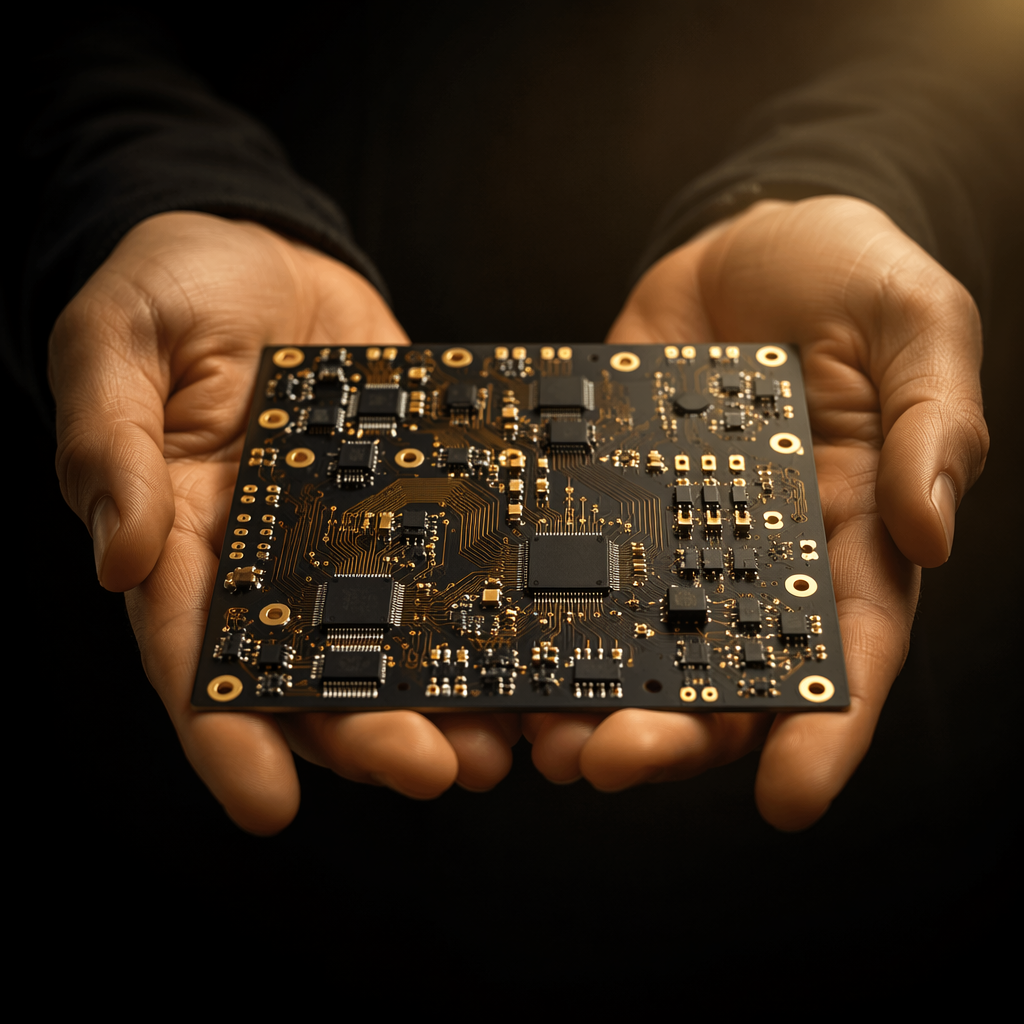
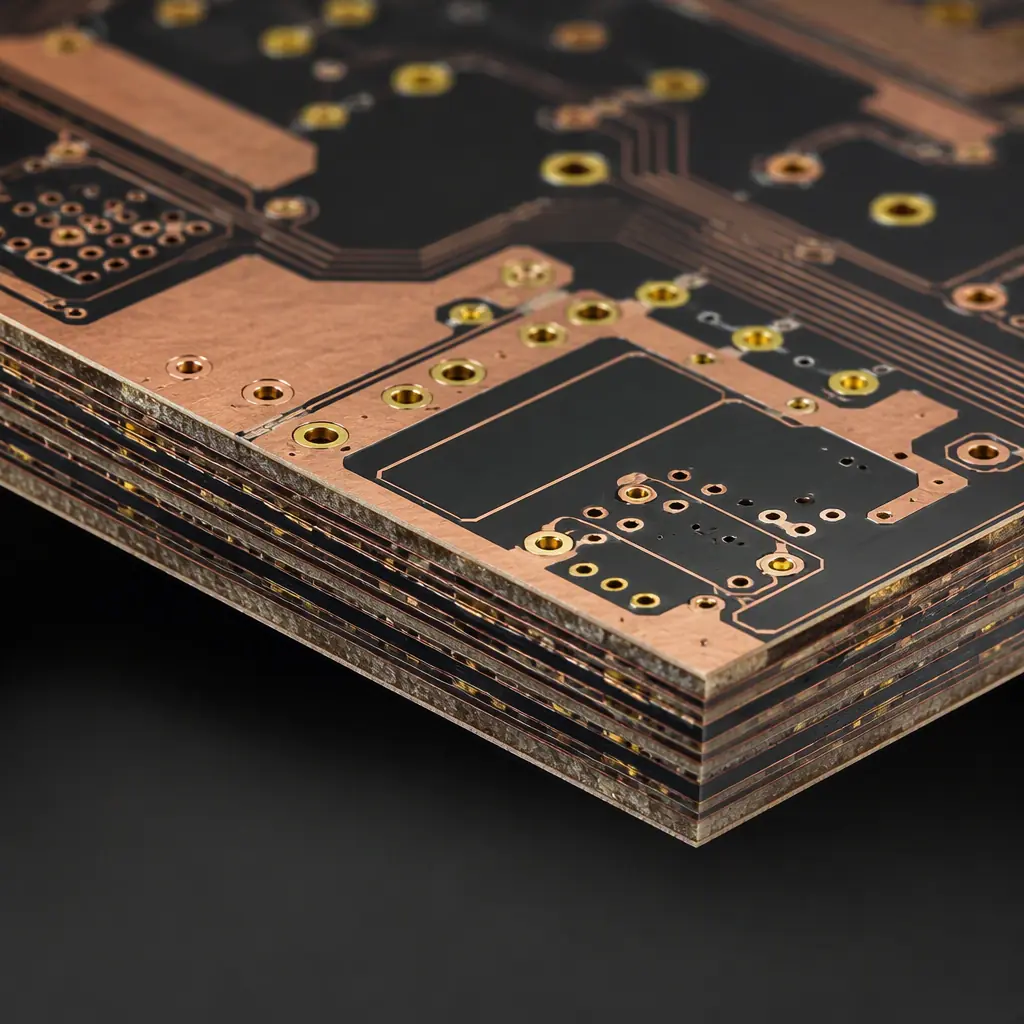
Ask a supplier whether their boards are "IPC compliant" and you will get a yes. Ask them whether the boards are qualified to IPC-6012, and at what class. And the answer is a revealing test of how well they actually understand their own process. IPC-6012, the Qualification and Performance Specification for Rigid Printed Boards, is an entire different question from the assembly-focused IPC-A-610 that most buyers know. One describes the assembly; IPC-6012 describes the board itself: its materials, its plating, its interconnects and its reliability under stress.
This distinction is the single biggest source of confusion in PCB procurement, and it is exactly the kind of thing that separates a buyer who knows what they are purchasing from one who is buying a phrase. At Huaxing PCBA we fabricate rigid boards across 2–32 layers qualified against an agreed IPC class, with controlled impedance and a documented qualification record. This guide unpacks what IPC-6012 actually requires and how you can verify it.
IPC-6012 vs IPC-A-610 vs IPC-A-600, the Three Standards Buyers Confuse
The IPC family of standards covers a board's life at three different points, and buyers routinely blend them into one fuzzy word called "compliance." Keeping them straight is the foundation of a good specification.
| Standard | What it governs | Best analogy | What still needs to be separate |
|---|---|---|---|
| IPC-6012 | Qualification & performance of the rigid board | How the board must perform | The requirement set, the baseline |
| IPC-A-600 | Acceptability of the fabricated bare board | How the board must look on arrival | Visual and cosmetic criteria |
| IPC-A-610 | Acceptability of the assembled board | How the assembly is judged | Everything after soldering |
So when a supplier says "we build to IPC standards," ask which one. A board can be cosmetically clean to IPC-A-600 and still fail to hold up long-term if it is not qualified to IPC-6012 for your class. For the assembly side specifically, see our IPC-A-610 acceptance criteria guide.
The Three Qualification Levels, and What Changes Between Them
IPC-6012 defines three product classes with escalating stringency, mirroring the classes in IPC-A-610 but applied to the fabricated board. Knowing which class you actually need is a financial decision before it is a technical one.
Class 1, General electronic products
For consumer and general-purpose boards where cosmetic imperfection and even some performance variance are acceptable. The least expensive to qualify and the right choice when reliability risk is low.
Class 2, Dedicated service products
For boards that must run reliably for an extended life, like industrial controls and commercial equipment. Cosmetic imperfections are tolerated but performance must not be compromised.
Class 3, High-reliability products
For medical, aerospace, defense and automotive-safety boards. The strictest requirements, the tightest tolerances and the most rigorous verification. The standard when a failure is not an option.
The cost delta between classes is real, and it is driven by tighter tolerances, additional testing and more documentation, not by the material alone. If you are unsure which class genuinely applies, our IPC Class 2 vs Class 3 guide walks through the exact inspection criteria where they diverge and where the extra spend earns its keep.
The Performance Requirements IPC-6012 Actually Tests
IPC-6012 is not a wish list. It is a set of verifiable requirements covering the board's physical and electrical integrity. A sample of the core areas it qualifies:
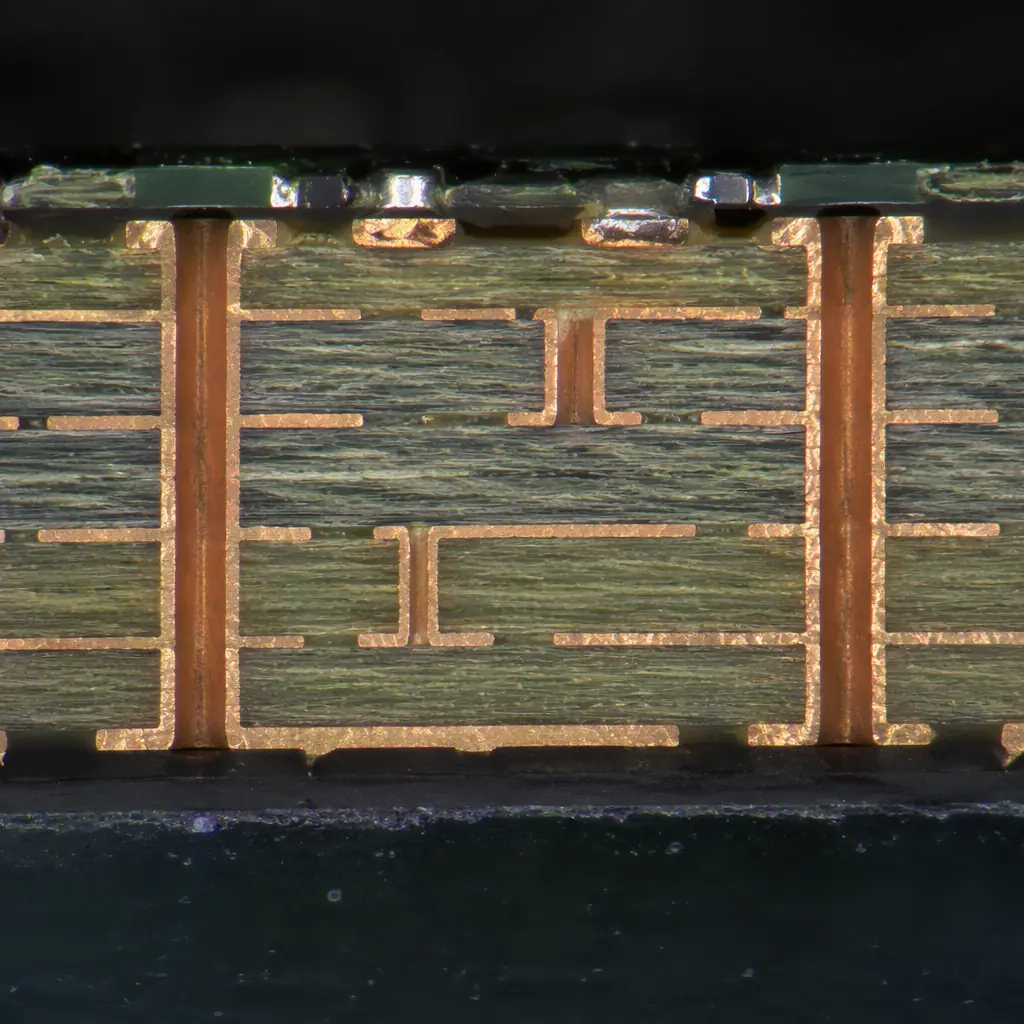
Microsection analysis
Cross-sectioning to measure copper plating thickness in the hole barrel, laminate and copper foil, plus hole-wall quality. This is the ground truth for whether the process is truly building the structure you ordered.
Conductor and plating integrity
Verification of copper weight, conductor width and the adhesion of plating to the board. Weak adhesion is a leading cause of pads lifting under thermal cycling.
Thermal stress and CAF resistance
Thermal shock and temperature-cycling testing to expose delamination and barrel cracking, plus conductive anodic filament (CAF) testing for high-voltage spacing.
Solderability and cleanliness
Wetting tests to confirm the surface finish will accept solder, and ionic contamination testing to prove the board is clean before it is assembled.
Electrical properties
Controlled impedance, insulation resistance and dielectric withstand where the design demands them. These tie directly back to whether the board will perform at speed and voltage.
For how the microsection itself is evaluated, and what an acceptance report should contain, read our PCB microsection analysis guide.
How Buyers Verify a Supplier Is Genuinely IPC-6012 Compliant
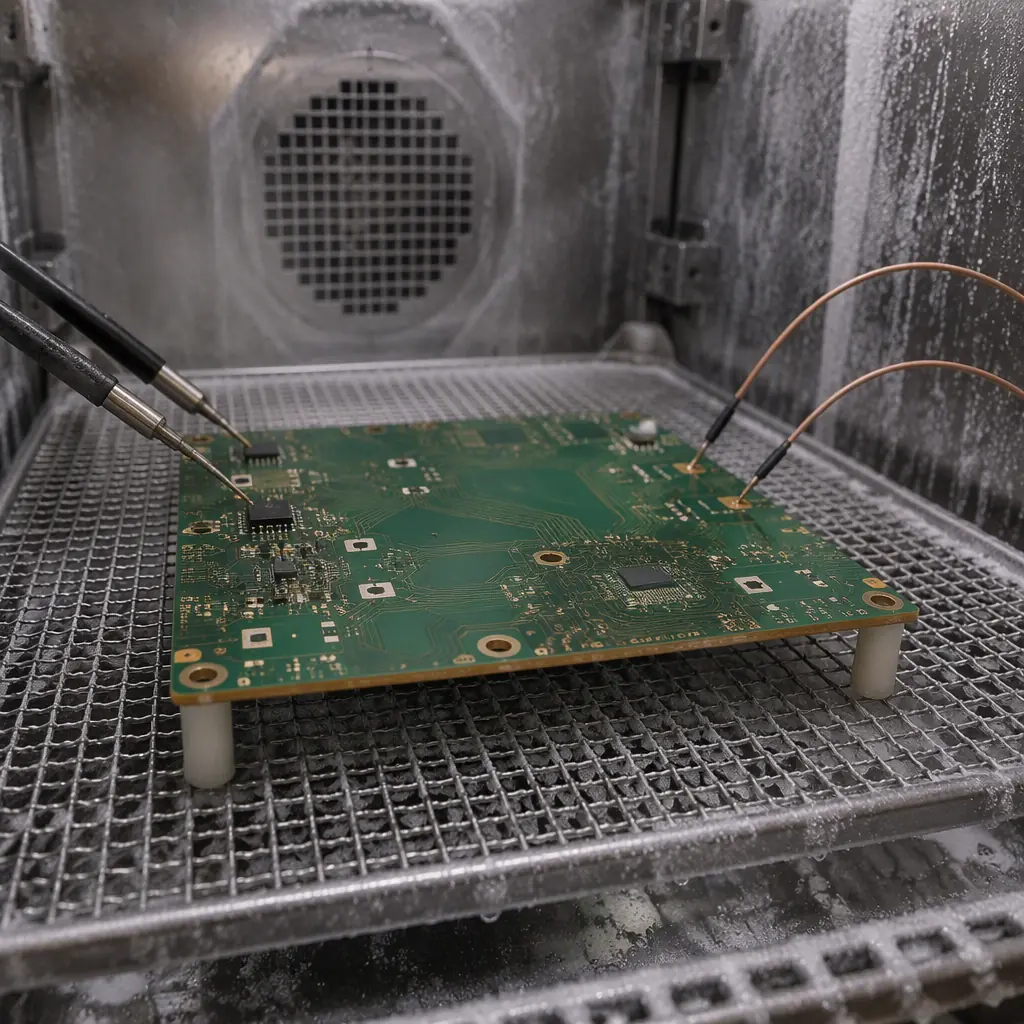
The honest answer: IPC-6012 is a qualification to a class, not a certificate you can hang on a wall. There is no single "IPC-6012 certified" trademark from a third party for a fabricator's whole shop the way there is for other standards. What a supplier can credibly show is a documented qualification record per board type and class, the microsection, test and inspection evidence that their process produces boards meeting IPC-6012 for the class you ordered.
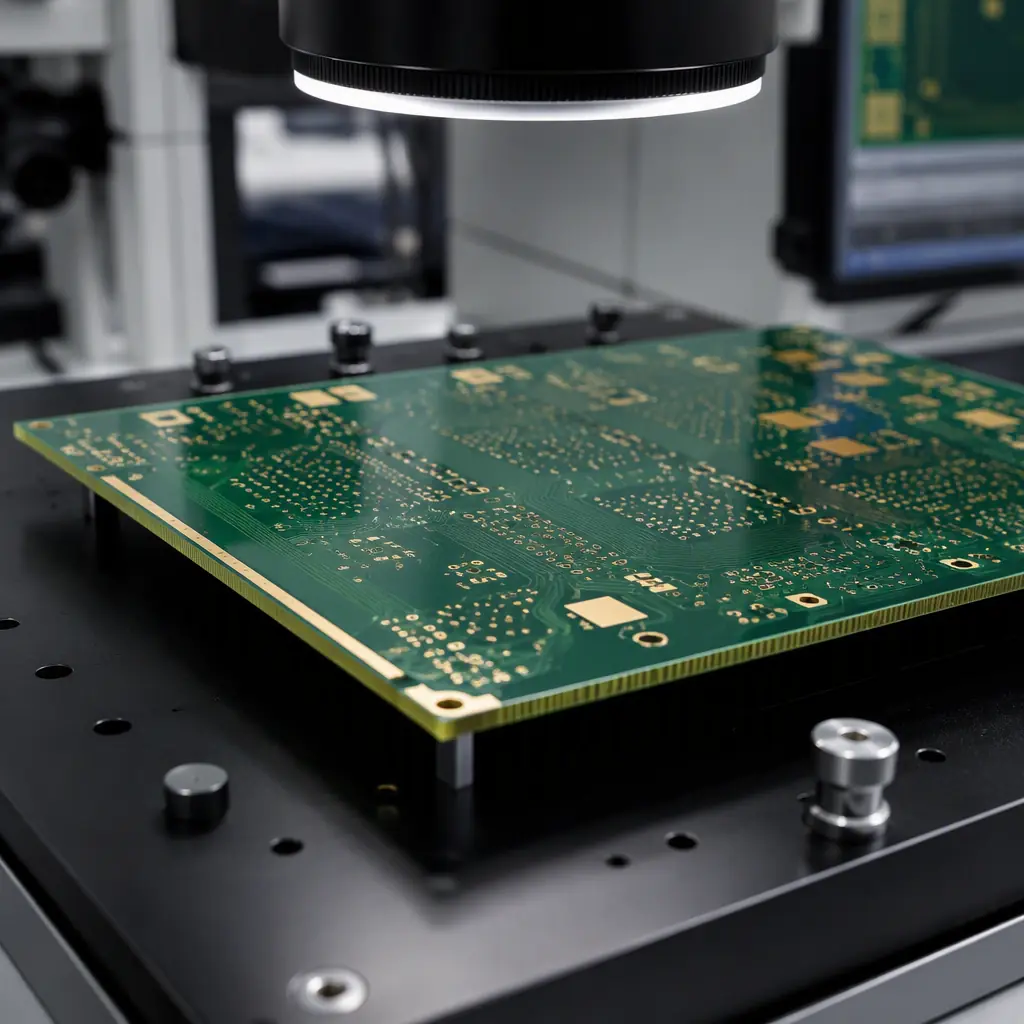
So verification is concrete, not rhetorical: ask for the qualification and performance documentation, capability claims backed by coating thickness measurements, microsection reports, thermal-stress and solderability records, and demand it be traceable to the build of the boards you are buying. A supplier that produces a clean, to-class microsection and a set of passed reliability tests on every qualification lot is telling you the truth. A supplier that points to a vague "we are IPC-certified" claim and offers nothing else is not.
This question pairs naturally with a incoming quality inspection at your end and a certifications & compliance check on the factory overall.
Where IPC-6012 Sits in the Broader Standards Landscape
IPC-6012 is part of a family: IPC-6013 covers flexible and rigid-flex boards, and IPC-4101 covers base material (laminate) requirements. So a finished flex or rigid-flex product is qualified against a different but related spec from a rigid board. Understanding which one applies to your product is part of writing a specification that cannot be quietly downgraded. Our IPC standards comparison maps the whole family so you know exactly what to cite.
The 10-Second Buyer's Checklist
Key Takeaway: Change the question from "are you IPC compliant?" to "what IPC-6012 class does this board qualify to, and what is the qualification record?" State the class, cite IPC-6012 for the board and IPC-A-610 for the assembly, and require microsection, plating, thermal-stress, CAF, solderability and cleanliness evidence traceable to your lot. That is the difference between a real requirement and a phrase that any supplier can say.
At Huaxing PCBA we fabricate rigid boards from 2 to 32 layers with 0.15 mm mechanical and 0.075 mm laser drilling, controlled impedance to ±5%, and a full surface-finish range from ENIG to OSP. Every qualification lot is documented against an agreed IPC-6012 class. We are ISO 9001, IATF 16949 and UL certified and serve teams in 30+ countries. Upload your files for a quote or talk to our engineering team about the board class and qualification record your product needs.