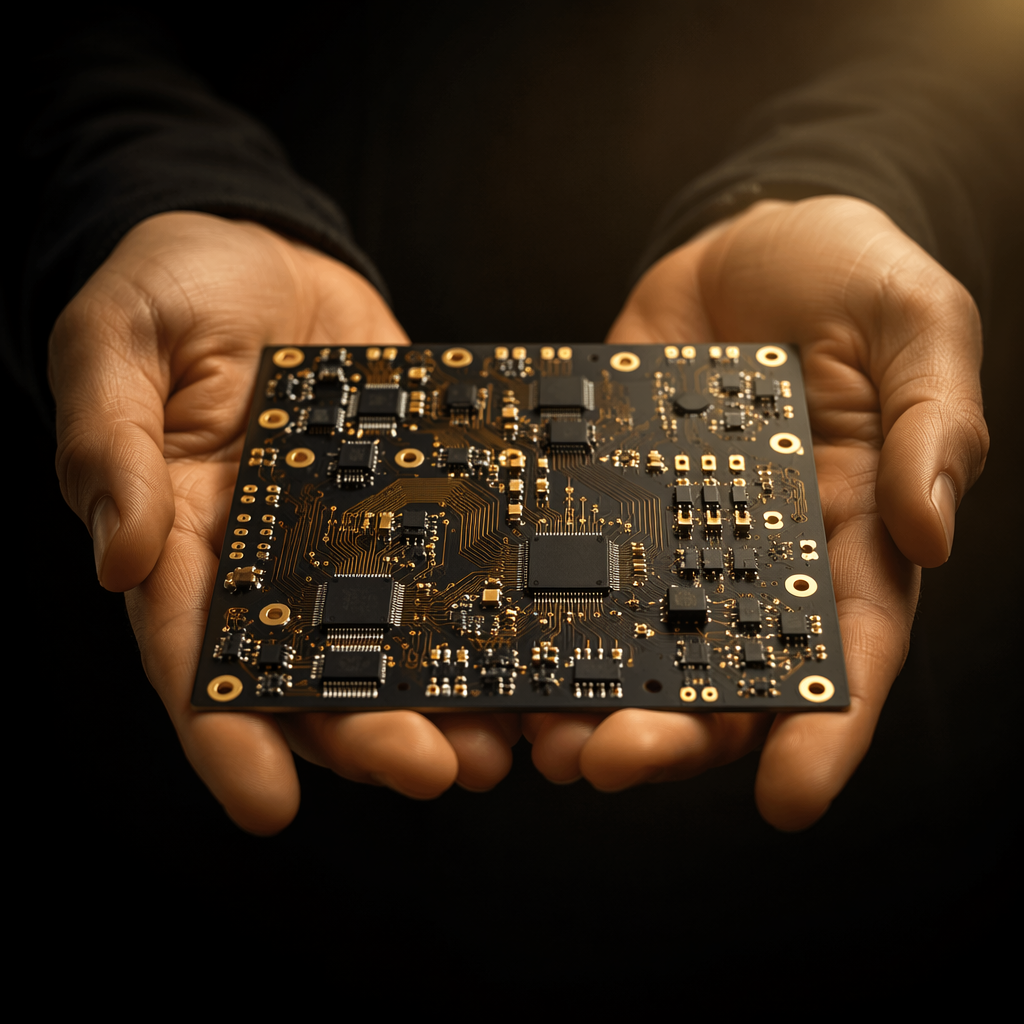
A quote is a proposal. A purchase order is a commitment. The PO tells the factory exactly what to build, how many, by when, for how much, and how it gets there. And it is the document that makes both sides accountable. The trouble is that POs are often written as afterthoughts, with the real specification living in a chain of emails instead of on the order itself.
When a PO is incomplete, the factory cannot confirm it. That is not a stall tactic; it is the factory refusing to build to a half-defined instruction. On a shop floor running 8 SMT lines and holding 99.2% on-time delivery, a clean PO is how orders leave the gate on schedule in the first place.
From Quote To Purchase Order: Close The Loop
The PO is not a new conversation. It is the codified version of the quote you already accepted. The first thing to do is to make sure the PO and the quote match. A PO that references different quantities, a different surface finish or a different rev than the quoted version is the start of a dispute. See our quote comparison guide for how to line them up.
It is worth stating explicitly on the PO which quote it is based on. Quote numbers change and prices can have a validity window. Anchoring the PO to the exact quote eliminates most of the "I thought we agreed to a different price" conversations before they begin. Our price negotiation and payment terms guides cover the commercial side.
What Belongs In A PCB Purchase Order
A complete PO is more than a part number and a quantity. For a PCB or PCBA build, these items should appear on the order, ideally in writing rather than as an implicit assumption.
| Item | Detail to state |
|---|---|
| Part / drawing reference | The board name and its revision letter |
| Quantity | Number of boards or assembled units, and the yield you accept |
| Specification reference | Point to the Gerber set, stackup and BOM |
| Unit price and quote number | The agreed price and its validity window |
| Lead time and delivery date | The agreed schedule and any milestones |
| Incoterms | Whether the price is EXW, FOB, CIF or DDP |
| Payment terms | T/T percentage, deposit, or letter of credit |
| Inspection requirement | IPC class, AQL lot size, third-party or pre-shipment inspection |
| Warranty and acceptance | What coverage you expect and how defects are handled |
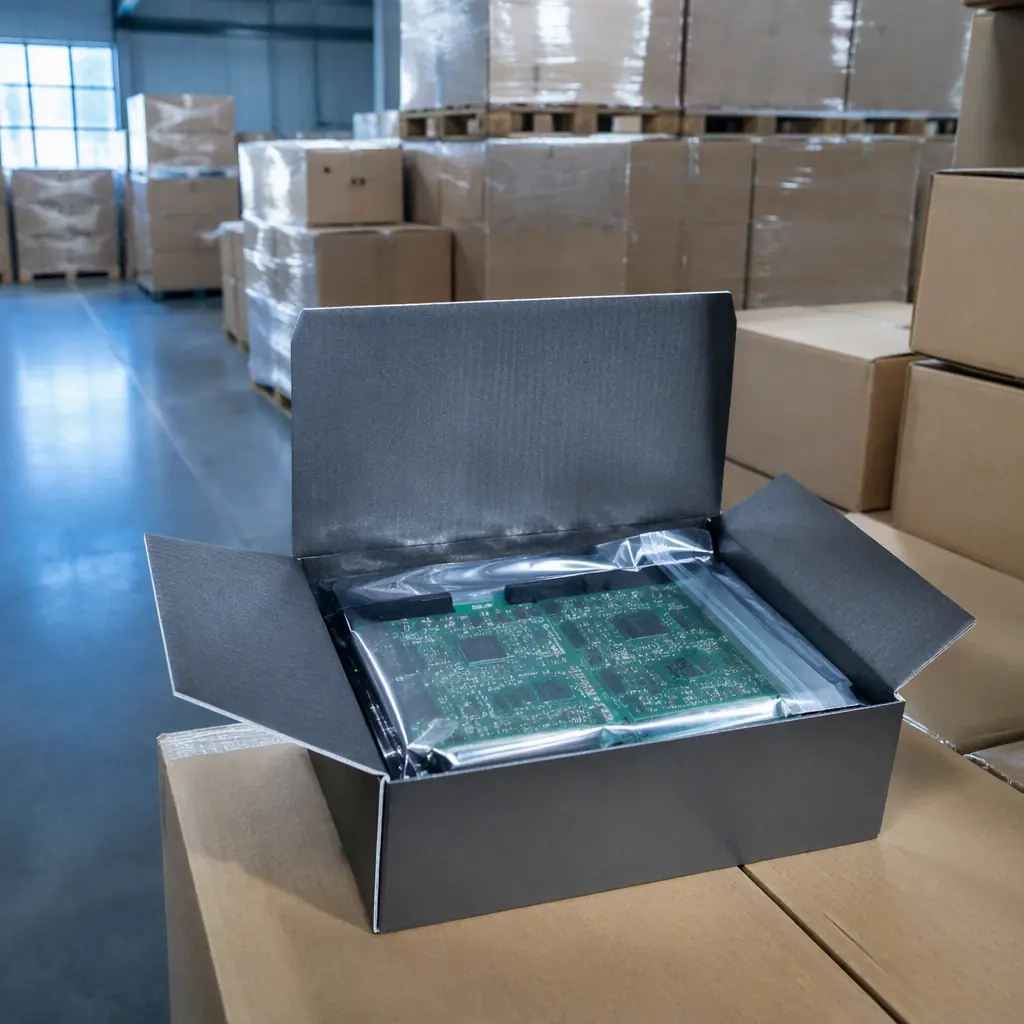
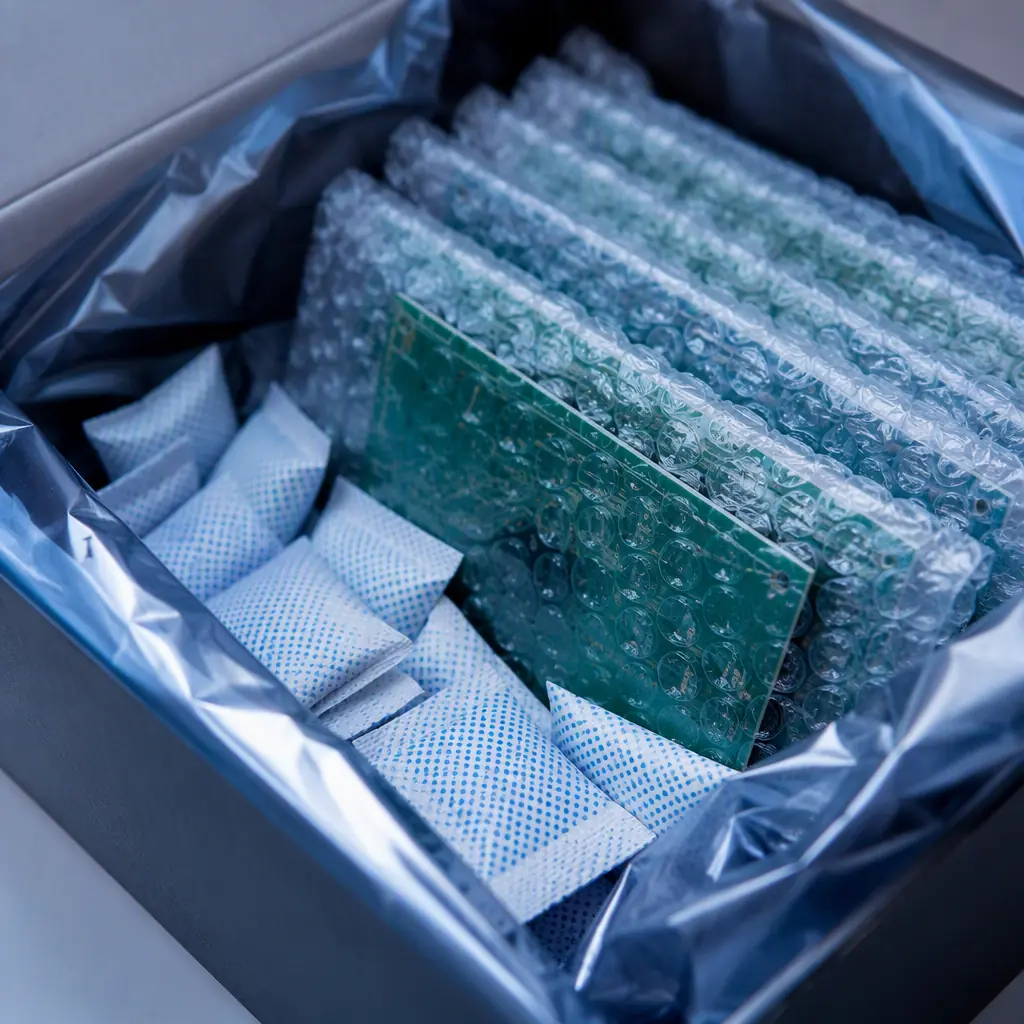
| Packaging and shipping | ESD protection, moisture barrier, pallet or carton, freight method |
If any of these is left implicit, it gets interpreted differently by the two sides. Incoterms especially. "shipped" can mean an EXW price where you pay all freight, or a DDP price where the factory does. Disagreements over terms are the single most common source of a surprised shipping bill. Our Incoterms and shipping guide lays this out clearly.
Order Confirmation: The Moment That Matters
Once you send the PO, the factory should return a formal order confirmation. This is not paperwork for its own sake. It is the point where the factory commits to the price, the schedule and the terms in writing. If the factory cannot confirm, it comes back with the discrepancy, and that is exactly the moment you want to learn about it, not after the boards are in a box.
A confirmation that silently changes something (a lead time, a surface finish, a quantity) is a red flag. Read it against your PO line by line. Confirmation is also where any non-recoverable cost, a tooling charge or a long-lead component buy, gets made explicit. Our NRE and tooling cost guide explains what to watch for.
The other thing the confirmation sets is the baseline for the guarantee. If the boards arrive late or do not meet the agreed quality, the confirmation is what you hold up. See our warranty and RMA and pre-shipment inspection guides for how to protect yourself.
Six PO Mistakes That Cost You Time
PO and quote disagree
Different quantity, different rev, different price. The factory cannot confirm a contradiction, so it asks, and every question is a delay. Get the two documents identical before you send.
No revision on the order
Stating "the PCB" without a rev letter leaves the factory to guess which design you mean. If the design is at rev C and the BOM and stencil are at rev B, a wrong build is nearly inevitable. See our ECO / revision control guide.
Vague inspection standard
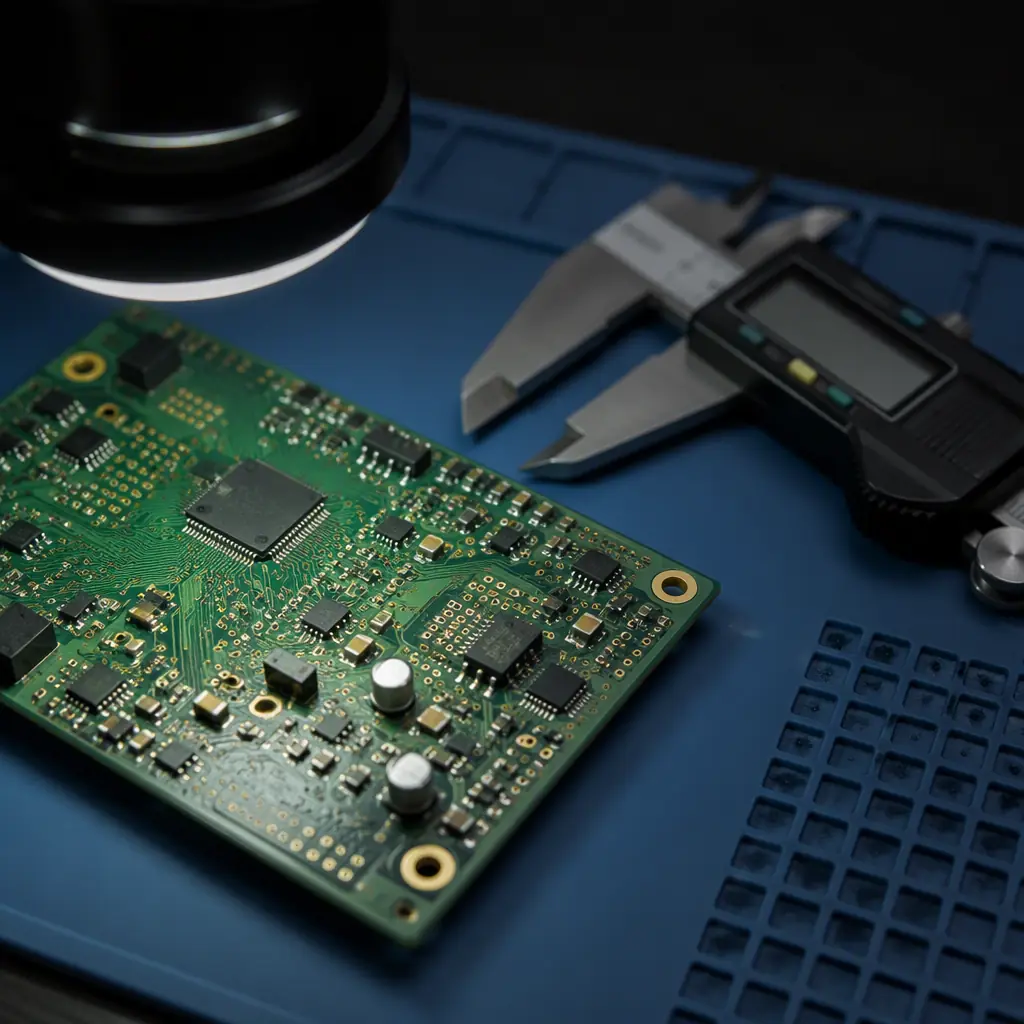
Leaving acceptance unspecified means you and the factory have different definitions of "good." State the IPC class and the AQL sampling plan. Our AQL sampling guide and IPC-A-610 acceptance criteria give you the standards.
Forgetting import, duty and compliance
Tariffs, HS code classification and compliance documents are part of an international order, not an afterthought. Our import duty and tariff guide and REACH / WEEE / TSCA guide cover the paperwork a US or EU buyer needs.
Vague lead time
A date with no definition of what happens if it slips. Confirm the meaning of the date and the compensation mechanism. Our lead time reduction guide helps you push for a realistic one.
Everything in email, nothing on the order
When the spec lives in an email thread, it is not enforceable. A PO that references "as we discussed" is a PO that is missing its own specification. Put it in writing.
Where you have an existing relationship, a standing or blanket order reduces this to a repeatable flow. Our blanket order vs spot buy guide compares the two procurement models in detail.

Summary, A PO Is A Contract, Not A Formality
Treat your PCB purchase order as a small contract and it becomes the most useful document in the transaction. Put the specification reference, revision, quantity, price, lead time, incoterms, payment, inspection and warranty on the order in writing. Demand a formal confirmation that matches it line for line. Then let the factory build.
At Huaxing PCBA we confirm every order with a written acknowledgement within 24 hours of receipt, we are ISO 9001 and IATF 16949 certified, and we deliver to customers in 30+ countries on a 99.2% on-time basis. We build to IPC-A-610 Class 2 or 3 and can include pre-shipment inspection and full documentation on request. Get a quick quote or talk to a project manager about placing your order.