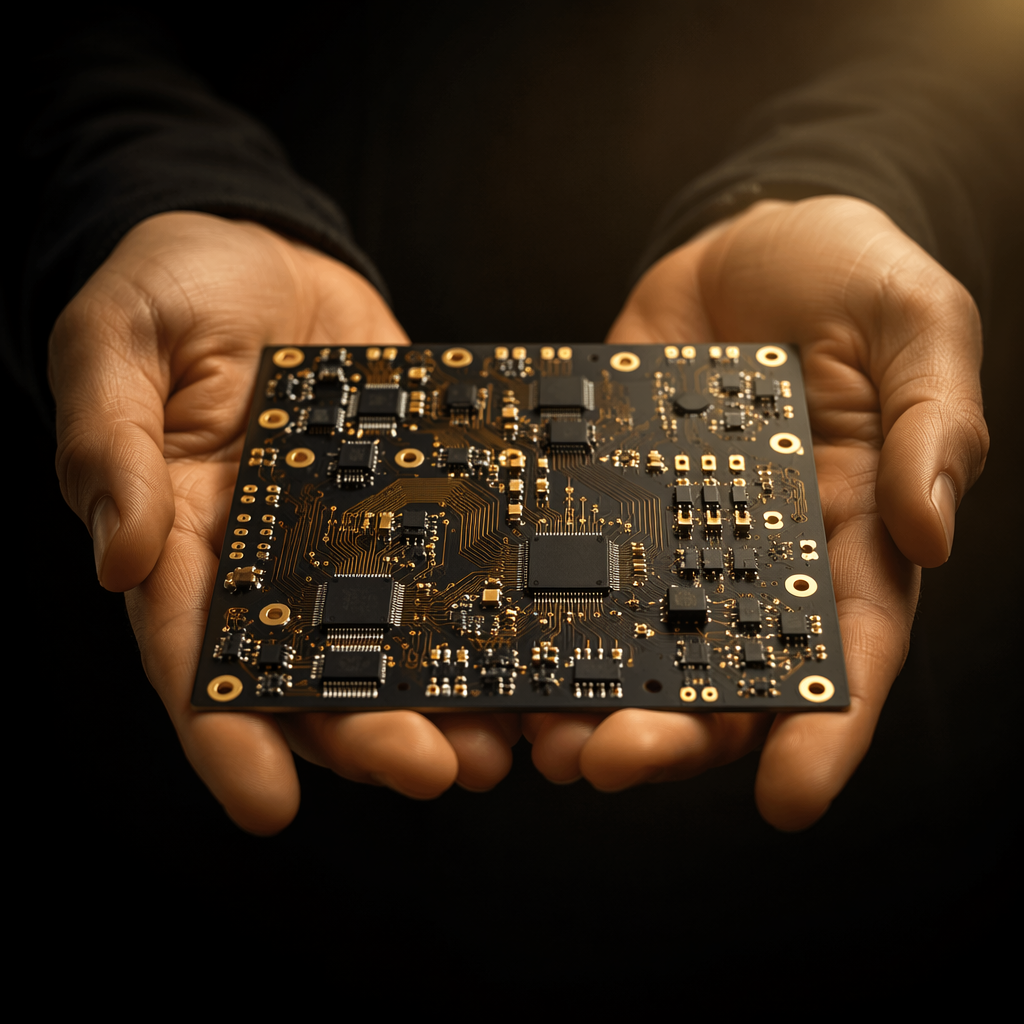
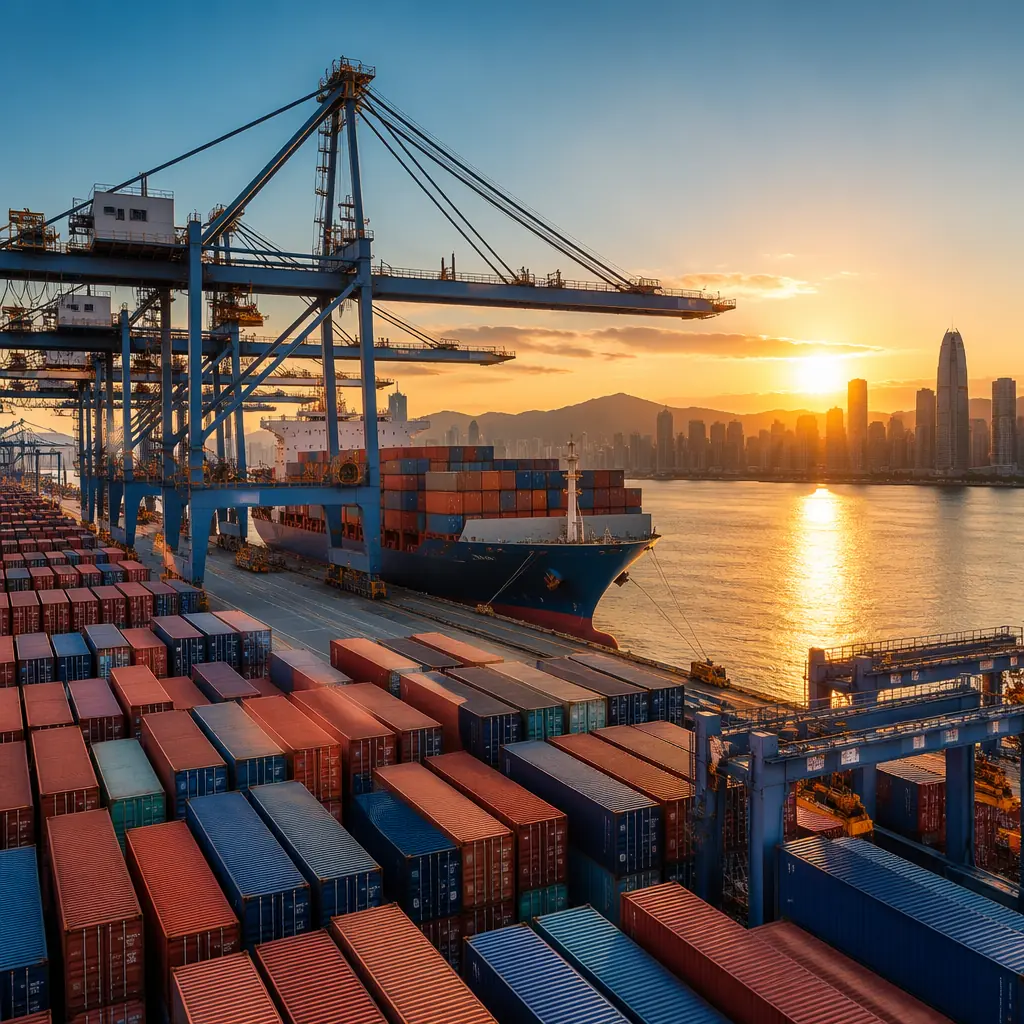
When you negotiate a PCB order with a Chinese manufacturer, the unit price on the quotation is only part of the story. Shipping terms, the three-letter Incoterms code buried in the fine print, can shift 15–30% of your total landed cost. Yet most first-time PCB importers accept whatever term the supplier proposes without understanding what they're signing up for.
This guide walks through the three Incoterms most commonly used in PCB exports from China, EXW, FOB, and DDP, and explains exactly how each one affects your risk exposure, freight costs, and customs liability. At Huaxing PCBA, we ship to 30+ countries and handle all three terms regularly, so the examples here reflect real 2026 freight rates and customs practices.
What Are Incoterms and Why They Matter for PCB Buyers
Incoterms (International Commercial Terms) define who pays for freight, insurance, and customs clearance, and, critically, the exact point at which risk transfers from seller to buyer. The International Chamber of Commerce updates them every decade; the current standard is Incoterms 2020.
For PCB and PCBA shipments from China, three terms dominate. Choosing the wrong one can mean unexpected bills at the port, customs delays that stall your production line, or, worst case, accepting liability for damage you never saw happen.
Key Takeaway: The term on your purchase order determines not just who pays the freight bill, but who owns the risk when boards are damaged in transit. For a typical $5,000 PCB order, the difference between EXW and DDP can exceed $1,200 in freight, insurance, and customs brokerage fees.
EXW (Ex Works): Lowest Price, Highest Risk
Under EXW, the supplier's only obligation is to make the goods available at their factory gate: typically a loading dock in Shenzhen or Dongguan. You, the buyer, handle everything else: inland trucking to the port, export customs clearance in China, ocean or air freight, import customs at destination, and final delivery to your facility.
Who Pays What Under EXW
Supplier: packs the PCBs and places them on your nominated truck. Buyer: everything else, Chinese export clearance, freight, insurance, destination customs, duties, and last-mile delivery. This is the cheapest headline price but the most administrative work for the buyer.
When EXW Makes Sense
Only if you already have a trusted freight forwarder in China with a strong local presence who can handle export declarations. Large-volume buyers shipping full container loads (FCL) with established logistics contracts often prefer EXW because they can consolidate shipments from multiple suppliers. For first-time buyers, EXW is almost always a mistake, you'll pay more for fragmented logistics than you save on the unit price.
The Hidden EXW Cost: Chinese Export VAT
China imposes a 13% VAT on domestic transactions. Under EXW, the supplier invoices you as a domestic sale, meaning VAT may be included in the price. Under FOB, the supplier handles export clearance and can zero-rate the VAT, often passing the saving to you. Always clarify with the supplier whether the EXW price includes or excludes VAT. See our PCB import duty and tariff guide for the full tax picture.
FOB (Free On Board): The Sweet Spot for Most PCB Orders
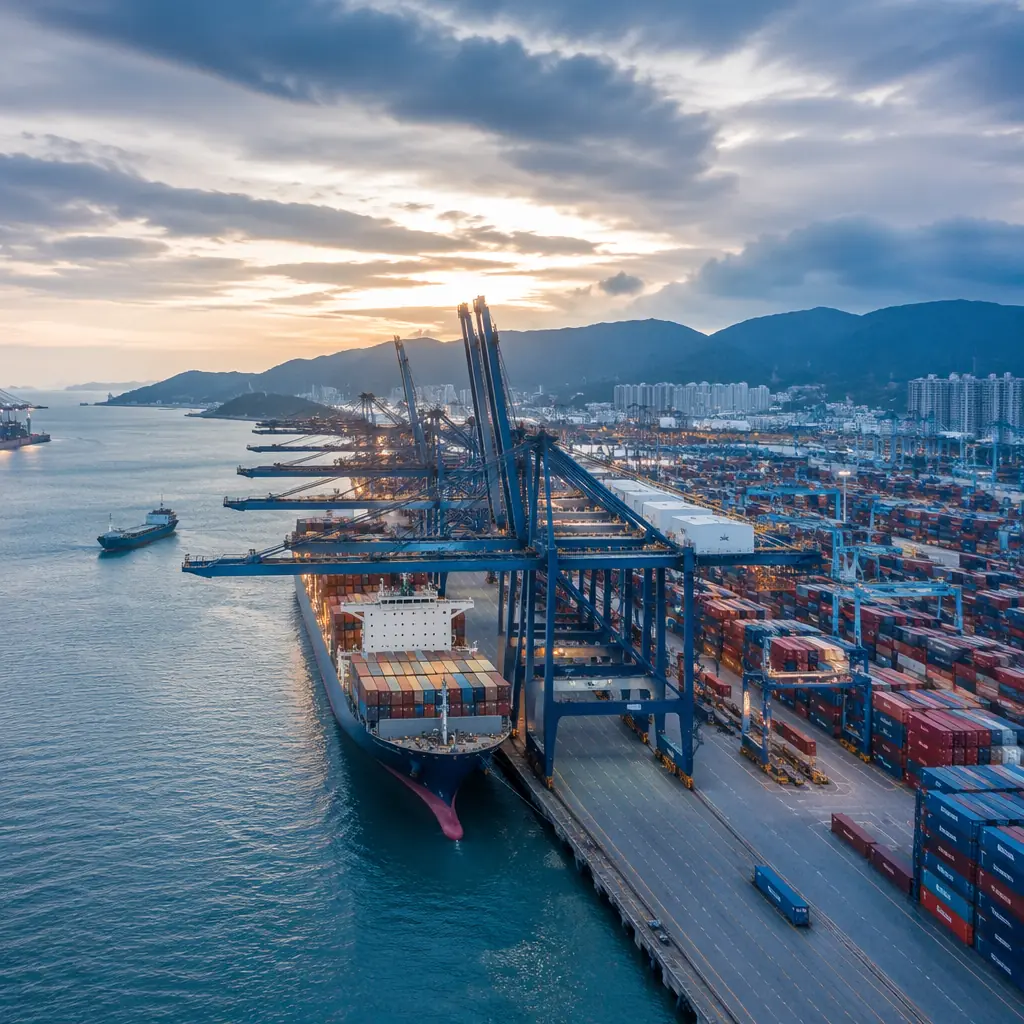
FOB is the most commonly negotiated term in Shenzhen PCB exports. The supplier delivers the goods to the named port (usually Yantian or Shekou in Shenzhen), clears them for export, and loads them onto the vessel. Risk transfers to the buyer the moment the boards cross the ship's rail.
Why FOB Is the Default for PCB Exports
The supplier handles the tricky part, Chinese export customs, which they do daily. You control the international freight leg, choosing your own forwarder and negotiating rates directly. For standard PCB shipments under 500 kg, FOB Shenzhen typically adds $0.15–$0.30 per kg versus EXW, but the supplier absorbs export documentation costs that would cost you $150–$300 if handled independently.
FOB Pitfall: The "Port Congestion Surcharge"
Some suppliers quote FOB but later add a port congestion surcharge when Yantian terminal is busy (common during peak season, October–December). Always ask: "Is the FOB price inclusive of all terminal handling charges (THC) and any peak season surcharges?" Get it in writing. A legitimate supplier will confirm THC inclusion upfront.
How to Choose a Freight Forwarder from FOB Shenzhen
Look for forwarders with a physical office in Shenzhen (not just a Shanghai headquarters with a phone number). They should handle electronics exports regularly, PCB shipments require proper ESD packaging documentation and sometimes hazardous material declarations for assembled boards with lithium batteries. Request at least 3 quotes and compare: freight rate, transit time, insurance cost (typically 0.3–0.5% of cargo value), and destination charges (terminal handling at arrival port).
DDP (Delivered Duty Paid): Hands-Off, Higher Cost
Under DDP, the supplier handles everything, factory to your door, including import duties and customs clearance at destination. You receive the PCBs at your warehouse as if you bought them domestically. The supplier assumes all risk until delivery.
| Incoterm | Supplier Handles | Buyer Handles | Typical Cost Premium vs EXW | Best For |
|---|---|---|---|---|
| EXW | Pack at factory | Everything else | Baseline | Large buyers with own China logistics |
| FOB | Export clearance + port delivery | Freight, insurance, import clearance | 5–8% above EXW | Most PCB orders 50–500 kg |
| DDP | Everything door-to-door | Nothing | 15–25% above EXW | First-time buyers, urgent orders, small samples |
When DDP Is Worth the Premium
If you're ordering prototype quantities (under 50 boards) and don't have a customs broker, DDP eliminates the headache of learning import procedures for a $500 order. The premium: typically $200–$400 on small shipments, buys peace of mind. For production volumes, however, the 15–25% premium on a $10,000 order quickly exceeds the cost of hiring your own broker.
DDP Risk: You Lose Visibility
Procurement Tip: DDP is most cost-effective for orders under $2,000 or when you're testing a new supplier. For anything larger, the premium is better spent on building your own logistics relationship, which pays dividends across future orders. Our PCB cost factors guide breaks down where your money actually goes.
Air Freight vs Ocean Freight for PCB Shipments
The Incoterm you choose is only half the equation. The transport mode determines speed, cost, and, for certain PCB types, safety.
Ocean Freight (LCL/FCL): The Economic Default
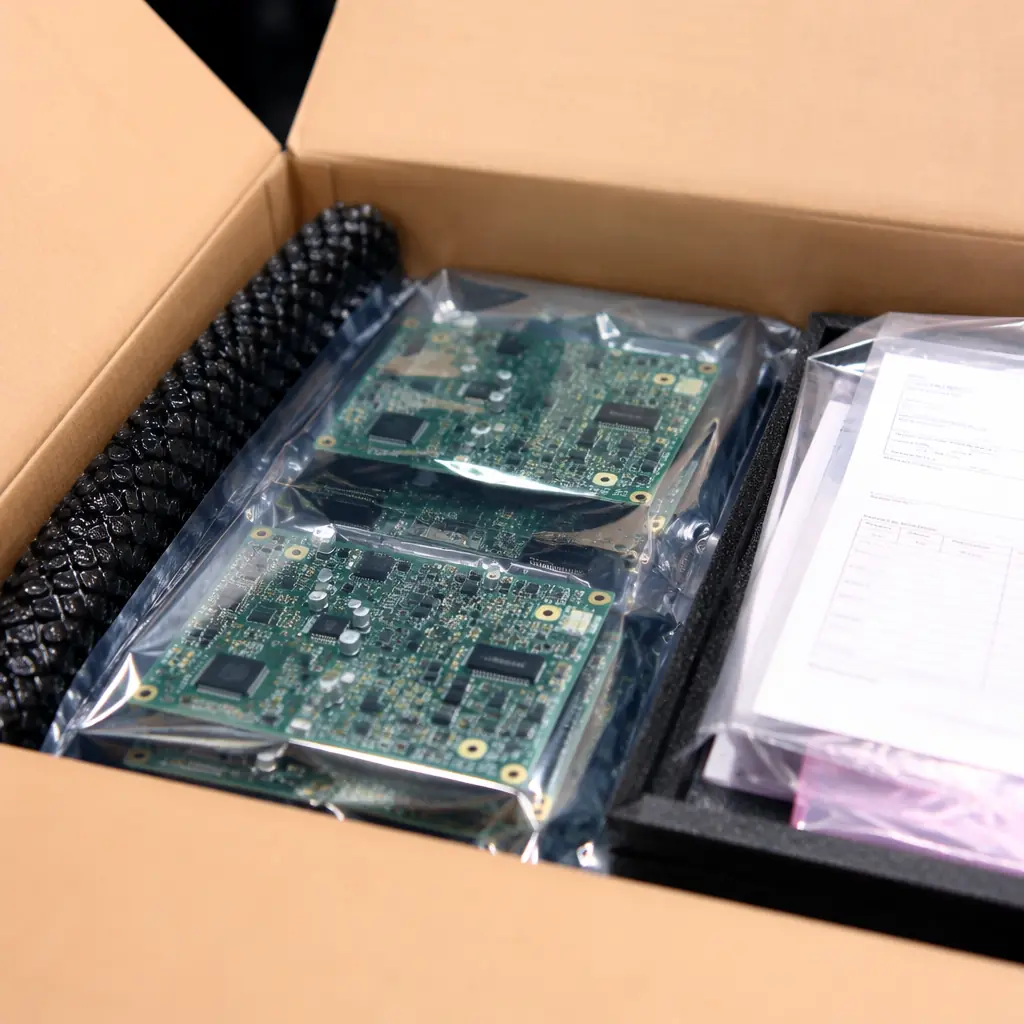
Less-than-container-load (LCL) shipments from Shenzhen to US West Coast ports take 14–18 days and cost roughly $3–$5 per kg for electronics. Full container loads (FCL) make sense above ~2,000 kg. Ocean freight is the standard for production PCB orders. The main risk is humidity during transit, always specify vacuum-sealed ESD packaging with desiccant and humidity indicator cards. Read our PCB moisture sensitivity guide for packaging specifications.
Air Freight: 3–5 Days, 5× the Cost
Air freight from Shenzhen (SZX/HKG) to the US or EU costs $8–$15 per kg but delivers in 3–5 days door-to-door. Reserve this for prototypes, time-sensitive production ramp-ups, or high-value boards where carrying cost exceeds freight premium. A standard pallet of 500 medium-complexity PCBs (~80 kg) costs approximately $800–$1,200 by air versus $250–$400 by ocean.
Air Freight Lithium Battery Restrictions
If your PCBA includes lithium batteries (coin cells, Li-Po packs), air freight requires UN38.3 test certification and dangerous goods declaration. Many forwarders refuse loose lithium battery shipments, plan for ocean freight or ensure your supplier provides certified battery documentation. This is one area where PCB certifications and compliance documentation becomes critical.
Customs Clearance: What PCB Importers Get Wrong
The most common customs mistake is misclassifying PCBA (assembled boards) under the bare PCB HTS code. Bare PCBs (HTS 8534.00.00) typically carry lower duty rates than assembled boards (HTS 8473.30 or 8537.10 depending on function). A misclassification audit can result in back duties plus penalties.
Factory Reality: At Huaxing PCBA, every shipment includes a detailed packing list with HTS codes, country of origin, and declared value per line item. This documentation package, not just the commercial invoice, is what keeps your shipment moving through customs without a "hold for inspection" flag. We've cleared shipments to 30+ countries without a single customs rejection.
Landed Cost: The Only Number That Matters
Here's a realistic landed cost calculation for a typical $5,000 PCB order (200 kg) from Shenzhen to Los Angeles under each Incoterm:
| Cost Component | EXW | FOB | DDP |
|---|---|---|---|
| Unit price (200 kg PCBs) | $4,700 | $5,100 | $5,800 |
| China inland trucking | $120 | Included | Included |
| China export clearance | $80 | Included | Included |
| Ocean freight (LCL) | $380 | $380 | Included |
| Insurance (0.4% value) | $20 | $20 | Included |
| US customs duty (3.5%) | $180 | $180 | Included |
| US customs broker fee | $150 | $150 | Included |
| US last-mile delivery | $200 | $200 | Included |
| Total Landed Cost | $5,830 | $6,030 | $5,800 |
Notice: DDP is actually the cheapest total in this scenario because the supplier aggregates logistics across multiple customers and negotiates better freight rates. The DDP unit price premium (+$1,100) is offset by the supplier absorbing $1,130 in logistics costs. For small-to-medium orders, DDP is often cheaper than DIY logistics, but only if your supplier genuinely passes through their logistics savings rather than marking them up.
At Huaxing PCBA, we ship PCBs and assembled boards to customers across North America, Europe, and Asia-Pacific. Our logistics team handles all three Incoterms daily and can recommend the most cost-effective term for your order volume and destination. Learn how to compare PCB quotes that include different shipping terms, or contact our engineering team for a landed cost estimate on your specific project.