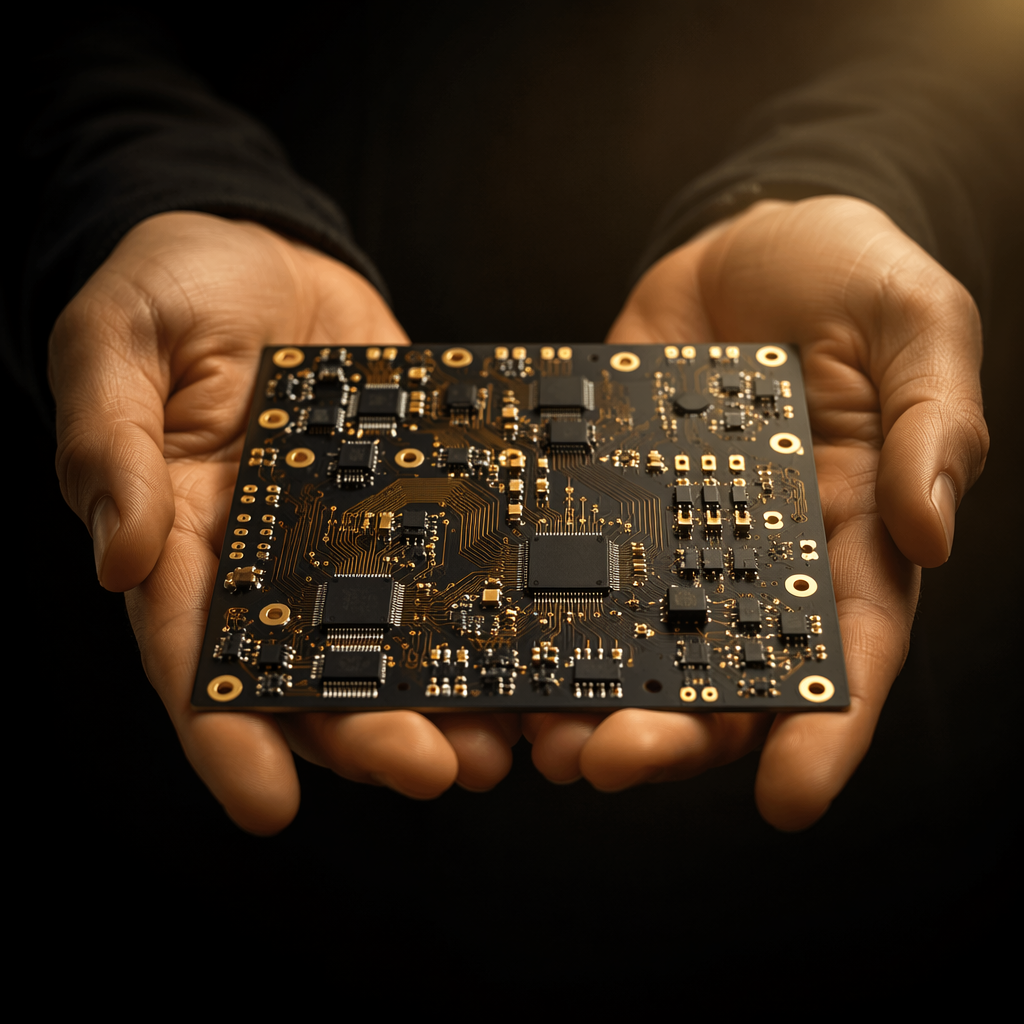
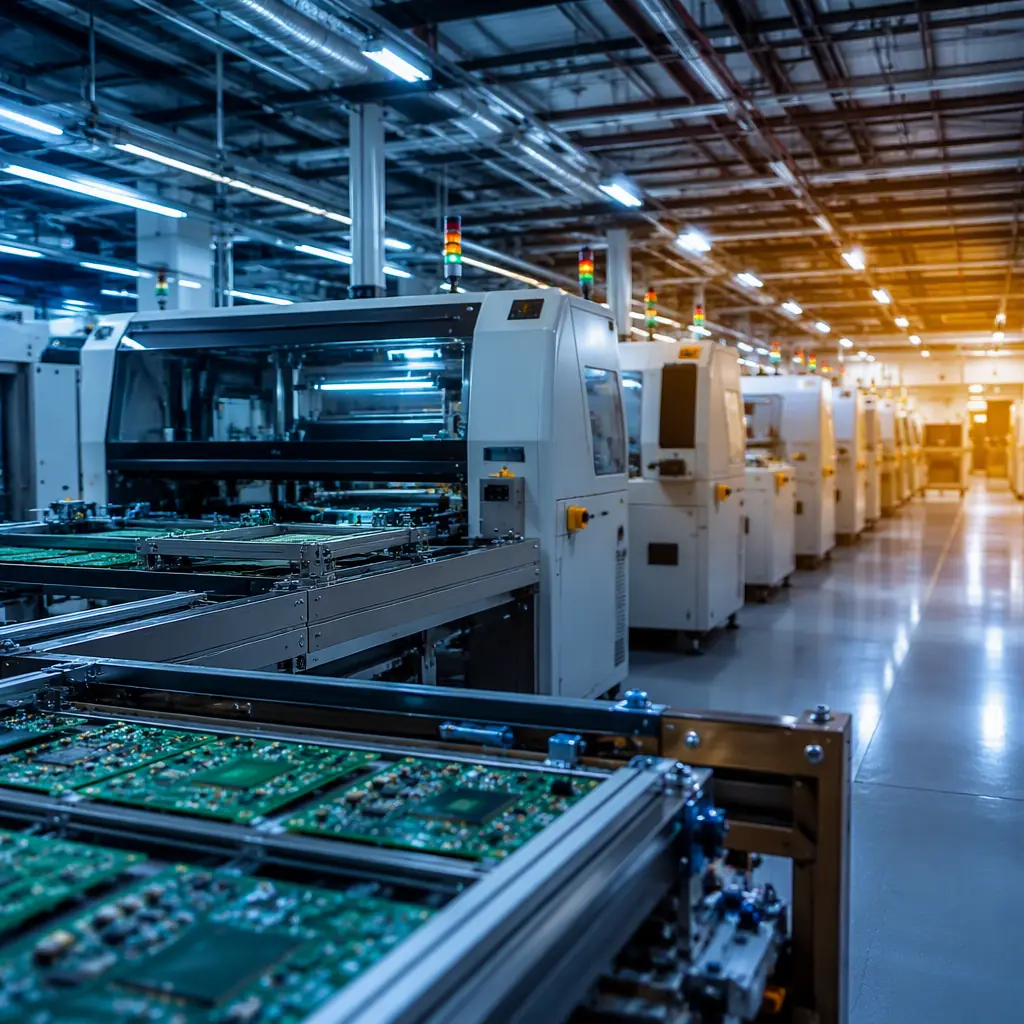
Section 301 tariffs, geopolitical risk, and the "China+1" strategy have pushed thousands of electronics buyers to ask whether Vietnam can replace China as their PCB source. It is the right question, and the wrong framing. Vietnam has become a major destination for electronics assembly (Samsung, Foxconn, and their supply chains), but the PCB industry inside Vietnam is still small and concentrated in simple boards. The real decision in 2026 is not "Vietnam or China", it is which board goes where.
Huaxing PCBA has manufactured PCBs and PCBA in Shenzhen for over a decade, shipping to 30+ countries, and we see the Vietnam comparison from the inside: our customers who diversified to Vietnam typically keep their complex boards in China and move simple, high-volume boards to Vietnam. This guide gives you the actual cost, capability, lead time, and risk data to make that call for your own product.
The PCB Industry Reality Check
Start with the market structure, because it explains every other difference in this comparison.
China Produces Roughly Half of the World's PCBs
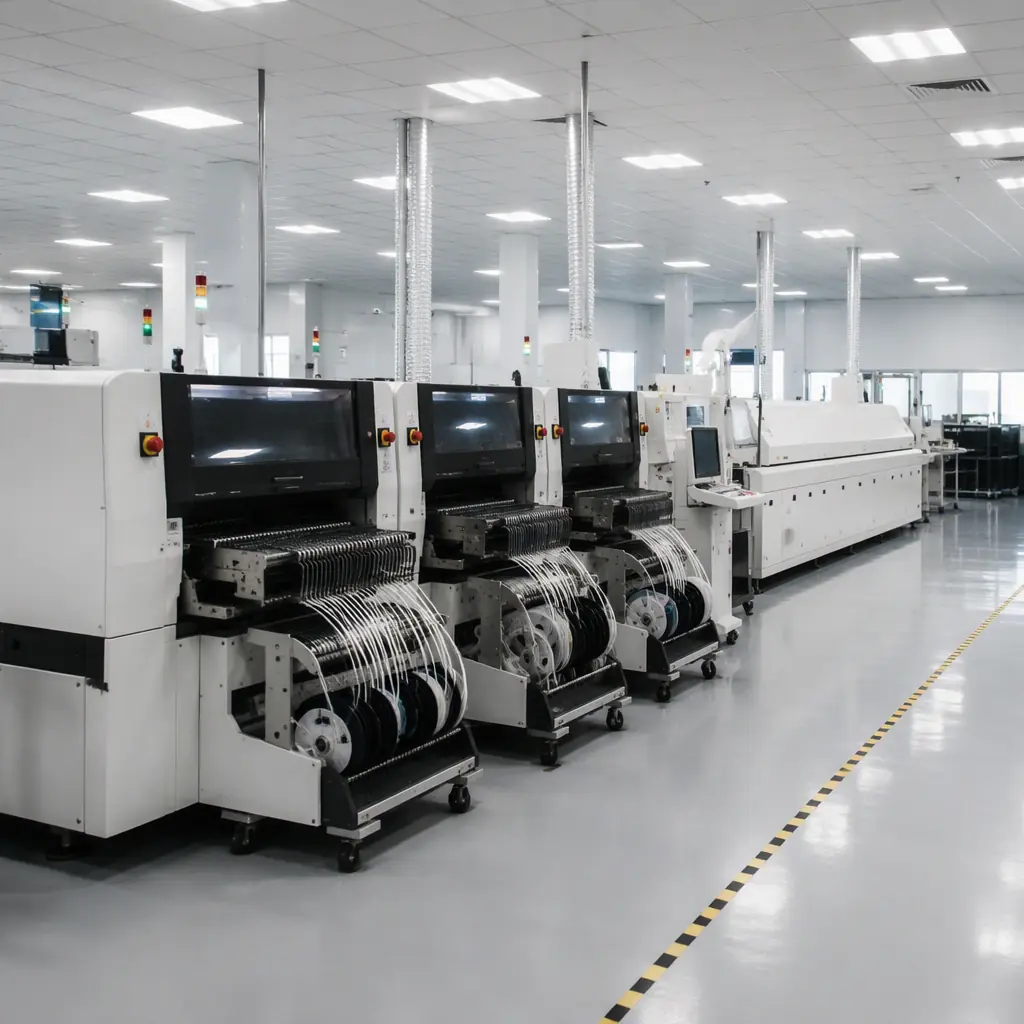
China accounts for approximately 50% of global PCB output by value, the largest national share by far, built on a complete domestic supply chain: copper-clad laminate, prepreg, glass fiber, chemicals, inks, and the world's largest concentration of fabrication and assembly capacity. Taiwan, Japan, and South Korea follow; Vietnam's domestic PCB output is a small fraction of one percent of the global total, and much of it comes from foreign-invested plants serving local assembly.
Vietnam's Strength Is Assembly, Not Fabrication
Vietnam hosts enormous electronics assembly capacity, Samsung's phone plants, Foxconn's and Pegatron's factories, but those operations largely import PCBs from China, Korea, and Taiwan. Local fabrication is growing (a handful of foreign-invested plants plus emerging local fabs), but the ecosystem of materials suppliers, engineering support, and specialty processes that makes China's industry self-reinforcing does not exist in Vietnam yet.
Why Buyers Compare Them Anyway: Tariffs and Risk
The comparison is driven by policy, not capability. US Section 301 tariffs add 25% to Chinese PCB imports (see our import duty guide for the full rates), and supply-chain diversification is now a board-level mandate at many companies. Vietnam offers tariff relief for some products and a geopolitical hedge, at the price of a less mature PCB supply base.
Key Takeaway: This is not a symmetric comparison. China has the capability but the tariff burden; Vietnam has tariff advantages but a thin PCB ecosystem. The right strategy uses each for what it is best at.
The Cost Comparison: Board Price, Labor, and Landed Cost
Cost is where most buyers start. And where the intuitive answer (cheaper labor = cheaper boards) is wrong. PCB manufacturing is capital- and material-intensive; labor is a minority of the cost structure.
Labor Is 10–20% of a PCB's Cost, Cheap Labor Does Not Make Cheap Boards
Vietnamese manufacturing wages are typically 30–50% below Shenzhen levels, but a PCB's cost is dominated by materials (copper-clad laminate, prepreg, chemicals), capital depreciation (exposure, etching, plating, drilling equipment), and yield. On a typical 4-layer board, the labor saving might be a few percent of the total. And it can be erased entirely by lower yield, longer learning curves, or imported materials.
Materials Are the Hidden Variable
China's laminate and prepreg producers (Shengyi, Kingboard, and others) give Chinese fabricators the world's lowest material cost with zero import logistics. Vietnam's fabricators import much of their high-end laminate, adding freight, duty, and lead time to the material bill. For standard FR-4 the gap is modest; for high-frequency, high-Tg, or specialty materials, it grows.
Compute Landed Cost, Not Board Price
A Chinese board carrying 25% Section 301 duty plus freight and brokerage can easily end up 15–30% above the invoice price, see the worked example in our import duty guide. A Vietnamese board may enter the US duty-free under certain programs, but if the Vietnamese fab's board price is 10–20% higher to begin with (smaller scale, imported materials), the landed-cost advantage shrinks or disappears. Model both quotes through the full landed-cost formula before deciding.
| Cost Driver | China (Shenzhen) | Vietnam |
|---|---|---|
| Manufacturing labor | Baseline (highest in region) | 30–50% lower |
| Standard FR-4 material | Local supply, lowest cost | Partly imported, +freight |
| Specialty material (PTFE, high-Tg, Rogers-class) | Local stock, fast | Imported, longer lead |
| US Section 301 duty (bare PCB, HTS 8534) | 25% (2026) | 0% for most origins* |
| EU duty (bare PCB) | 0% | 0% |
| Ecosystem effect on price | Scale + competition = lowest quotes | Fewer fabs, less price pressure |
*Duty treatment depends on the specific trade program and product classification, verify with a customs broker before relying on it.
The Capability Gap: Layer Count, HDI, and Specialty Processes
If your board is a 4-layer FR-4 design, Vietnam's capability question barely matters. If your board is 12+ layers with HDI, impedance control, or exotic materials, it matters enormously.
China's Fab Base Covers the Full Spectrum; Vietnam's Is Concentrated in Simple Boards
Chinese fabricators routinely quote 2–40+ layers, HDI with laser microvias, rigid-flex, metal-core, heavy copper, and every surface finish at scale, with hundreds of qualified suppliers competing on price and lead time. Vietnam's fabrication base is strongest in 2–8 layer standard boards, with limited HDI, rigid-flex, and specialty process availability. If your design needs 16 layers with controlled impedance and via-in-pad, the shortlist of Vietnamese suppliers is very short.
Assembly Capability Is Stronger Than Fabrication in Vietnam
Thanks to the Samsung/Foxconn ecosystem, Vietnam has credible SMT assembly capacity, which means a workable model is fabricate in China, assemble in Vietnam, or assemble in China and box-build in Vietnam. The reverse (complex fabrication in Vietnam) is the hard direction. Our assembly process guide explains what assembly capability actually requires.
Engineering Support Scales With the Industry
DFM feedback, impedance tuning, material selection, and failure analysis all depend on experienced process engineers, and those engineers concentrate where the industry is. Chinese fabricators return detailed DFM reports within hours because thousands of engineers work across hundreds of fabs; a smaller Vietnamese fab may have one or two engineers covering the same ground. For complex boards, engineering responsiveness is a capability in itself.
Lead Times and Supply Chain Maturity
Lead time is the difference between a product launch hitting its window and missing a season. The PCB supply chain's maturity determines how fast and how predictable your lead time is.
China's Ecosystem Makes Everything Faster
In Shenzhen, a prototype can turn around in 24 hours and production in 1–3 weeks because the entire chain, materials, stencils, fixtures, plating, testing, is local. Urgent changes, engineering visits, and expedited lots are normal business. Our quick-turn guide explains what drives those speeds. Vietnam's smaller ecosystem means more steps are imported or queued behind fewer fabs, stretching both standard and expedited lead times.
Predictability Is as Valuable as Speed
A Vietnamese fab quoting 4 weeks may deliver in 4 weeks reliably; a Chinese fab quoting 2 weeks usually delivers in 2, but during peak season (Q3) even Chinese lead times stretch. The maturity advantage shows in forecastability: established fabs have the capacity data to commit to dates, and the ecosystem to recover from disruptions. Evaluate suppliers on on-time-delivery history, not quoted lead time.
Logistics Favor Vietnam for Some US Routes, But Not Dramatically
Both countries ship to the US by air or sea from the same region; the difference is days, not weeks, on most lanes. The bigger logistics factor is customs: Chinese shipments carry the Section 301 documentation burden, while Vietnamese shipments may clear with simpler origin paperwork, for products that qualify. Factor brokerage time into your lead time model either way.
Quality, Certifications, and IP Protection
Quality systems and certifications are where a young PCB industry catches up fastest, and where the remaining gaps hide.
ISO 9001 Is Table Stakes Everywhere; IATF 16949 and UL Are the Real Filters
Both countries have ISO 9001-certified fabs. The certifications that matter for demanding buyers, IATF 16949 (automotive), UL (North American market access), ISO 13485 (medical), AS9100 (aerospace), are common among established Chinese suppliers and still rare in Vietnam. If your product needs these, the certified-supplier shortlist will decide the question for you. Our certifications guide lists what each market requires.
Verify the Factory, Not the Brochure, in Either Country
The audit discipline is identical in both countries: check equipment lists, IPC-A-600/A-610 compliance, test coverage (AOI, X-ray, flying probe, functional), and DPPM history. Use our supplier audit checklist and, if travel is hard, our remote audit guide. A small Vietnamese fab with strong processes can outperform a large Chinese fab with weak control, certification and audit beat geography every time.
IP Protection Depends on the Contract, Not the Country
Buyers often assume Vietnam is automatically safer for IP. The reality: IP risk is managed with NDAs, restricted data access, separation of duties, and contract terms, enforceable in both countries but only if written. Our IP protection guide covers the clauses that actually matter. Choose a supplier whose process you can audit on IP handling; do not rely on the flag on the map.
The Hybrid Strategy: When to Use Which
The most successful 2026 sourcing strategies for US/EU buyers are hybrid. And the split is driven by board complexity and volume.
Keep Complex Boards in China; Move Simple, High-Volume Boards to Vietnam
High-layer-count, HDI, rigid-flex, and specialty-material boards stay in China because that is where the capability and engineering support live. The 25% duty on a $50 complex board is $12.50; the risk of moving it to an unproven fab is far larger. Simple 2–6 layer boards at high volume are the candidates for Vietnam or other China+1 locations, where the tariff saving is real and the capability gap is acceptable.
Prototype and Iterate in China, Even if Production Moves
The 24-hour prototype turnarounds and dense DFM feedback loops in Shenzhen make it the best place in the world to iterate a design. A common pattern: prototype and pilot in China, qualify the design, then transfer mature, stable boards to a second source. Our prototype vs production guide covers the cost math of this path.
Qualify the Second Source Like a First Source
Transferring production to Vietnam (or any new supplier) requires the same qualification you would give a new primary: first article inspection, process audit, sample builds across your real volume range, and a PPAP-style approval if you run automotive. A second source that is not qualified is not a source. It is a risk you have paid to carry.
Key Takeaway: The winning pattern in 2026 is not "replace China with Vietnam." It is: prototype and complex boards in China, simple high-volume boards diversified to Vietnam or elsewhere, both sources fully qualified and audited, and every quote compared on landed cost.
How to Verify Capability in Either Country
Whatever the geography, the same five checks separate real capability from marketing.
Ask for Boards You Can Inspect, Not Just Certificates
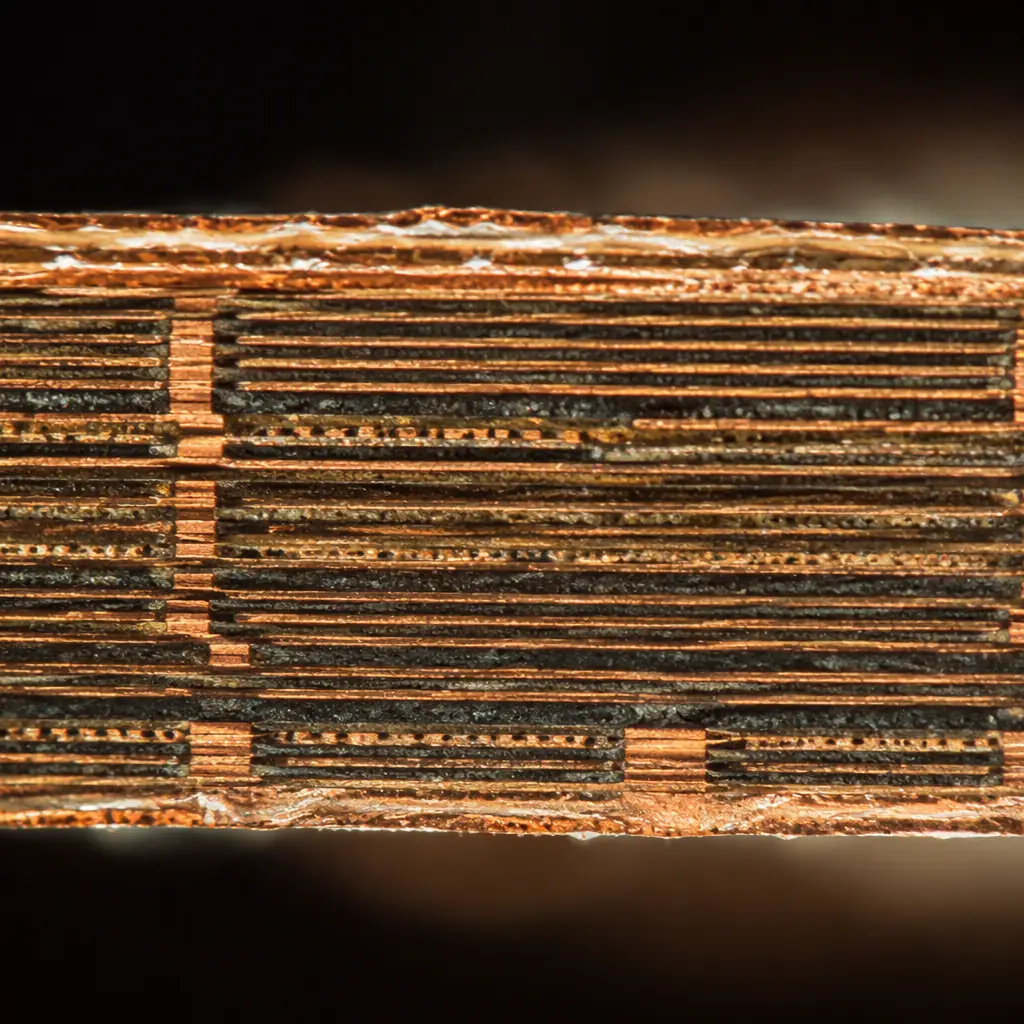
Request cross-sections of multilayer boards, impedance test reports, and first-article inspection data. A fab that cannot show you its own microsection photos cannot prove its plating quality. Our cross-section guide tells you what to look for.
Run a Real Pilot Order, Then Ramp
Place a pilot at the board's true layer count and features, a simple test board proves nothing about your 14-layer design. Measure yield, DFM responsiveness, and on-time delivery on the pilot before committing volume. Our FAI guide structures this process.
Compare Total Cost of Ownership, Not Invoice Price
Unit price, tooling, freight, duty, brokerage, quality-escape cost, and engineering time all belong in the comparison, our TCO guide and quote comparison guide give you the frameworks. A 10% cheaper board that arrives late or fails in the field is the most expensive board you ever bought.
Summary: The 2026 Decision Framework
Vietnam vs China for PCBs in 2026 comes down to three questions: (1) Does your board need capability Vietnam does not yet offer (HDI, high layer count, specialty materials, niche certifications)? If yes, China is the answer regardless of tariffs. (2) Is your board simple and high-volume enough that the 25% Section 301 saving outweighs the ecosystem gap? If yes, Vietnam (or another China+1 location) deserves a qualified second-source slot. (3) Are you comparing landed cost and total cost of ownership, or just invoice prices? If the latter, you do not have a comparison yet. China remains the world's PCB powerhouse for a reason. And the smart procurement strategy uses that strength where it matters and hedges where it does not.
At Huaxing PCBA we manufacture complex and standard PCBs in Shenzhen, up to 32 layers, HDI, rigid-flex, and specialty materials, with IATF 16949, ISO 9001, UL, and ISO 13485 certifications, 24h prototypes, and DFM review on every quote. If you are building a hybrid sourcing strategy, our engineering team will help you split your board portfolio sensibly and qualify the right suppliers. Read our US vs China comparison for the tariff-side analysis, or send your files for a free DFM review and quote.