

Few things frustrate a process engineer more than a defect that appears "out of nowhere." The board did not change, the program did not change, the paste part number did not change. Yet the print has gone from crisp to sloppy, or the reflow is suddenly voids and balls. The culprit is often not the design or the machine, but the container of solder paste: the shelf-life clock, the storage temperature, and the hour or two of "handle time" that quietly determine whether the paste on the stencil is still in its prime.
Solder paste is a suspension of metal particles in a flux vehicle, and it starts degrading the moment it leaves the refrigerator. Because it is so cheap relative to the failure it can cause, poor paste handling is one of the most cost-ineffective habits in SMT. At Huaxing PCBA we run 8 high-speed SMT lines placing parts down to 0201 and 0.3mm BGA pitch, where control of paste is non-negotiable. This guide explains the rules and how to check a supplier's controls.

Why Solder Paste Is the Most Perishable Material on an SMT Line
Unlike a bare board or a component, solder paste is chemically alive. The flux is designed to facilitate solder joint formation, and it begins to react and dry from the moment of manufacture. Two degradation mechanisms dominate:
Flux oxidation and solvent loss
Exposed to heat, air and humidity over time, the flux vehicle oxidizes and its solvents evaporate. The paste becomes thicker, more tacky and harder to print through fine apertures, and the flux oxides reduce wetting during reflow.
Solder particle agglomeration
Over time and with cold-chain breaks, the metal powder can clump, changing the viscosity and printability. The paste no longer deposits as a clean, consistent volume, which directly feeds reflow defects.
The result is a cascade of defects, solder balling, fine-pitch bridging, head-in-pillow, and voids, that a process engineer will chase as if they were a machine or design problem, when the root cause is sitting in a refrigerated cabinet with an expired handle-time clock.
J-STD-005 Storage Specifications: Temperature and Humidity
The governing document for solder paste characterization is J-STD-005, which sits alongside IPC/J-STD-001 (the soldering acceptability standard). J-STD-005 specifies how a paste is characterized, and the storage practice that keeps a paste within its qualified envelope.
| Parameter | J-STD-005 guidance | Why it matters |
|---|---|---|
| Storage temperature | 2–10°C (refrigerated) | Slows flux reaction and solvent loss |
| Humidity | Low, dry storage | Prevents moisture absorption and flux degradation |
| Sealed container | Keep airtight until use | Prevents oxidation and drying on contact with air |
| Away from light & heat | Do not store near ovens, boilers or direct sun | Prevents premature thermal degradation |
The 2–10°C window is the practical sweet spot: cold enough to hold the flux stable, but not so cold that condensation forms when the container is opened and warmed. Note how closely this ties to the broader reflow and soldering process that the paste is heading into.
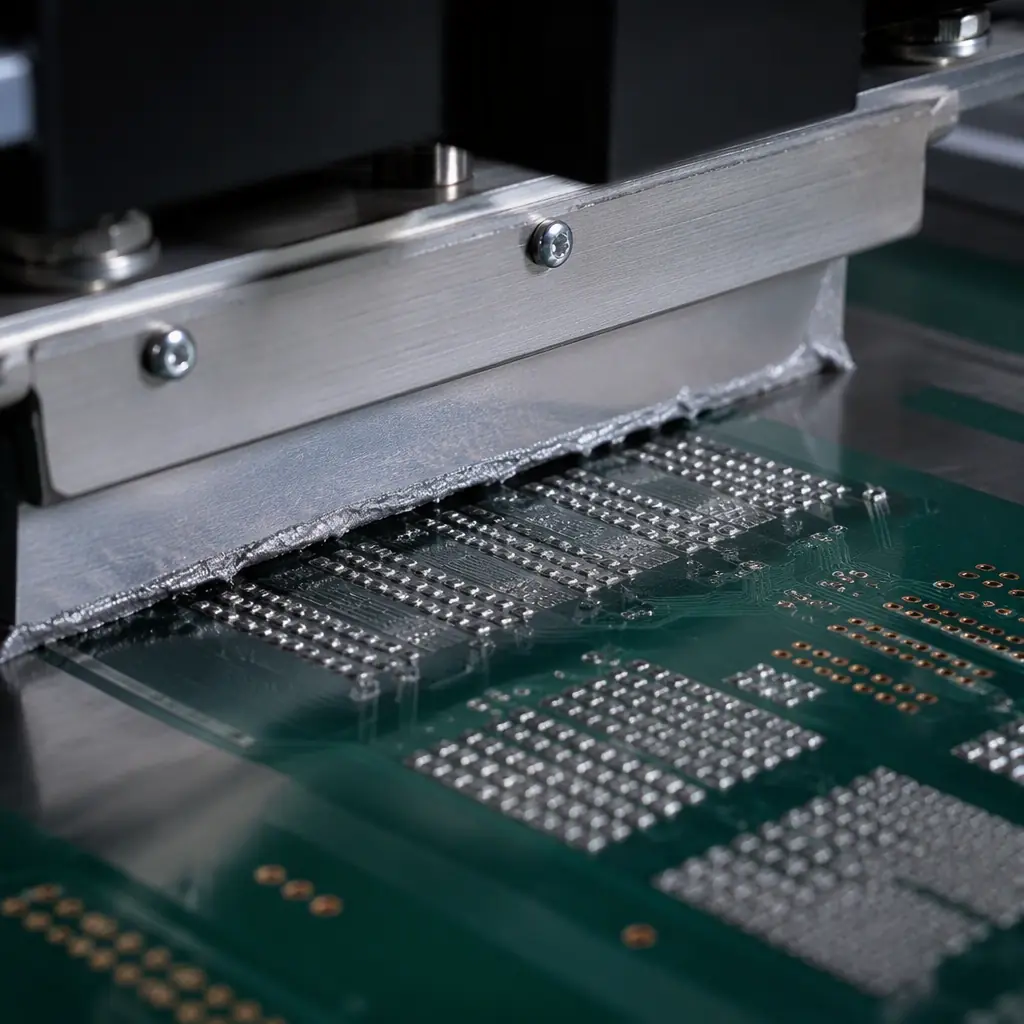
Shelf Life and the 6-Month / 1-Hour Rules
The printed shelf-life date
Every jar or cartridge carries a manufacturer shelf-life date: typically 6 months from manufacture when stored correctly. Once that date passes, the paste is out of its qualified window even if the container is sealed.
Thaw time
Paste must be warmed to room temperature before opening, so that the flux does not meet ambient humidity while still cold and condense moisture into the container. Allow several hours for a thaw without opening the seal.
Paste handle time (open-print window)
Once opened and on the stencil, the paste has a limited usable window, commonly on the order of a few hours depending on the alloy and flux. Paste left too long on the stencil is a leading cause of print defects. This is the "open time" a disciplined line tracks.
Do not refrigerate once thawed
Re-refrigerating an opened or thawed container introduces condensation and thermal cycling that degrades the paste. Opened paste is used or discarded, it does not go back in the fridge.
These rules are the reason a competent SMT line runs a paste-open-ticket: each container is logged with open time, and the paste is staggered onto the printer so no single container sits beyond its usable window. Selecting the paste itself is a separate question, covered in our solder paste selection guide.
The Four Golden Hours: Thaw & Handle Time in Practice
The practical rhythm: Thaw to room temperature (sealed) → open → stir (no lifting the metal particles out of suspension) → print. The usable print window starts at open, not at thaw. A line that staggers paste onto the printer and logs the open time stays inside the window; one that parks a full jar on the stencil for an entire shift is printing with degraded paste by the afternoon.
Refrigerator Monitoring and Data Logging
Storage is only as good as the monitoring that proves it happened. A professional SMT line does not just set a fridge temperature, it proves the temperature was held.
Continuous temperature logging
A data logger records temperature over time and flags excursions outside 2–10°C, including overnight and on weekends when no operator is on the floor.
Batch and FIFO control
Paste is used first-in-first-out, and each batch is traceable to its manufacture date. A line that cannot prove its paste came from valid stock cannot prove the paste is in spec.
Open-time tickets
Each container is tagged with open time, and paste past its window is pulled. This is the same discipline we discussed for ESD control . Process discipline, not guesswork.
Cold-Chain for Shipping and Incoming QC
Paste is often shipped long distances to reach the assembly factory, and the cold chain is where control is easiest to lose. A paste that arrives thawed or with a broken cold chain is already compromised before the factory opens the box.
Ship refrigerated
Paste should be shipped in temperature-controlled packaging, not left to sit in a logistics hub on a loading dock in summer.
Incoming temperature check
On arrival, the paste should be checked against its cold-chain documentation before it is accepted into stock.
Open the seal only when ready
The container is kept sealed and refrigerated until the moment it is staged on the printer, then thawed and used within its window.
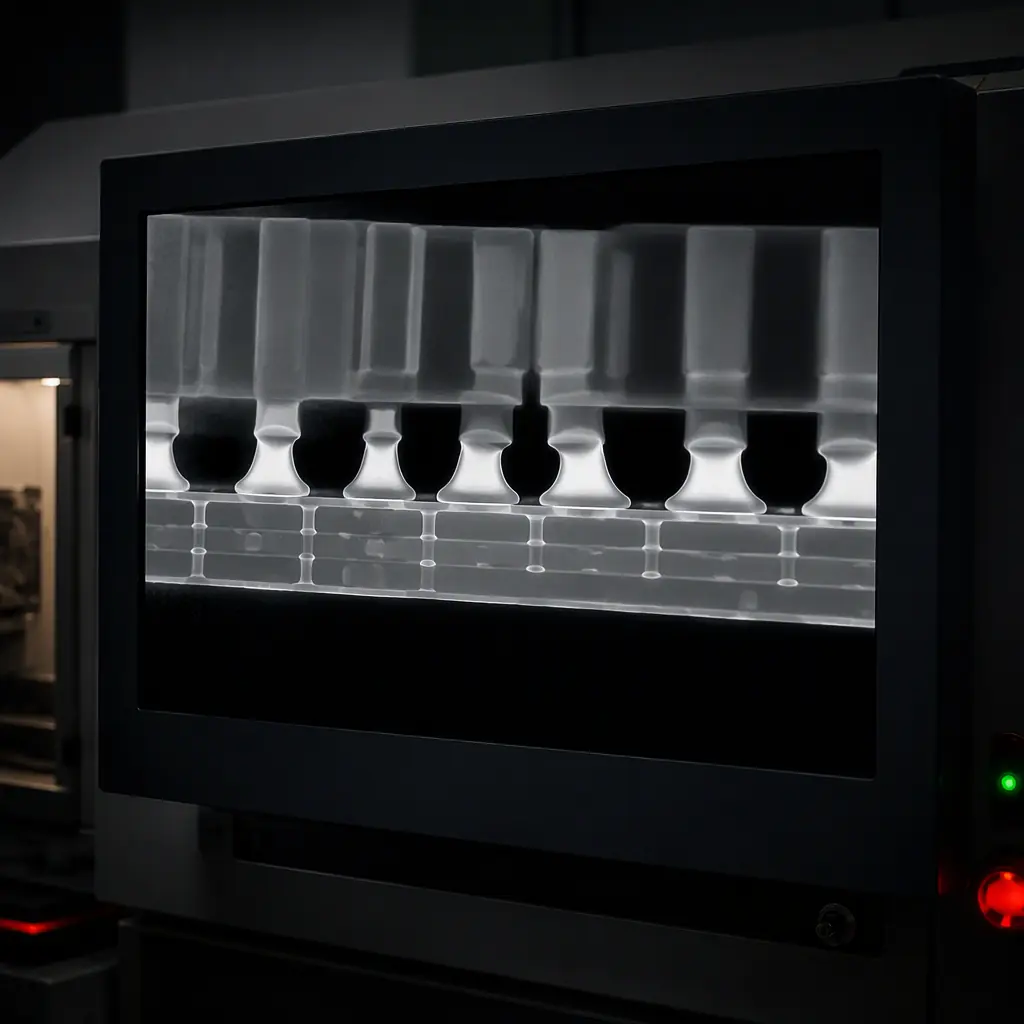
The Failure Modes and How They Show Up in Reflow
Poor paste storage and handling produces a recognizable signature of defects. If you see these in a batch, the paste is a prime suspect.
| Defect | Link to paste handling | What it looks like |
|---|---|---|
| Solder balling | Oxidized or degraded flux | Small spheres scattered around pads |
| Slump / bridging | Paste too thin or sheared by overstirring | Fine-pitch bridges after reflow |
| Head-in-pillow (HIP) | Oxide on paste particles, poor wetting | Ball not fully wetted into the paste deposit |
| Voids | Flux vehicle imbalance from age or moisture | Holes inside solder joints, worse on BGAs |
| Poor tack / part shift | Lost tack from solvent loss or age | Components wander before reflow |
These defects are also tracked as the classic solder joint defect families in a good inspection program. When you investigate voids in a BGA, remember paste is as likely a cause as the reflow profile or the stencil design.
How Buyers Verify a Supplier's Paste Control in an Audit
Audit tip: On your next factory visit or virtual audit, ask to see the paste storage area. Look for a refrigerated cabinet with a continuous temperature log and a pull of data from overnight and weekends. Check that paste is labeled with open time and used first-in-first-out. Ask what happens to a container that exceeds its open window. A supplier that can show the data and the tickets is confirming the process; one that shrugs and points at the fridge is not.
This is the same philosophy as incoming quality inspection and supplier audits: you are not checking that they own equipment, you are checking that they have the process and the evidence.
The 10-Second Buyer's Summary
Key Takeaway: Solder paste degrades from the moment it leaves the refrigerator. Store at 2–10°C, keep it sealed, thaw before opening, and track the open-time window. Log fridge temperature continuously, use FIFO, and never re-refrigerate a thawed container. Half the "mystery" reflow defects you chase are a paste that was badly stored or handled.
At Huaxing PCBA we run 8 high-speed SMT lines placing parts down to 0201 and 0.3mm BGA pitch, with SOP-controlled refrigerated paste storage, continuous temperature logging and open-time tickets on every container. Controlled paste is how we hold defects down and keep your yield high. We are ISO 9001 and IATF 16949 certified and serve 30+ countries. Upload your design for a quote or talk to our engineering team about the paste, stencil and reflow process for your build.