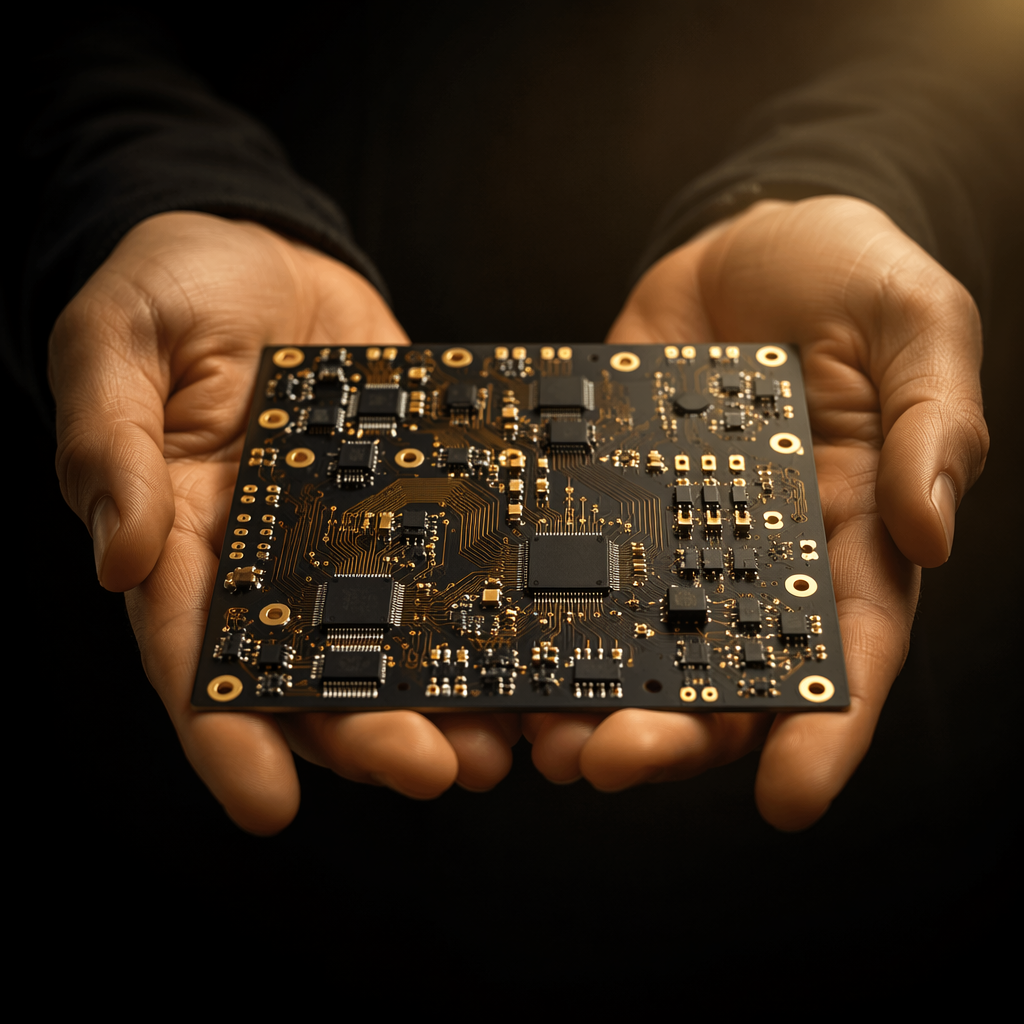
Ask two PCB assembly suppliers to quote the same board and you will often get two numbers that look unrelated. One quotes low and adds a stack of "engineering", "set-up" and "test" line items later; the other quotes high up front and includes everything. Neither is necessarily dishonest, they are just slicing the same cost differently. The buying skill is not finding the lowest number; it is knowing which line items each quote actually contains.
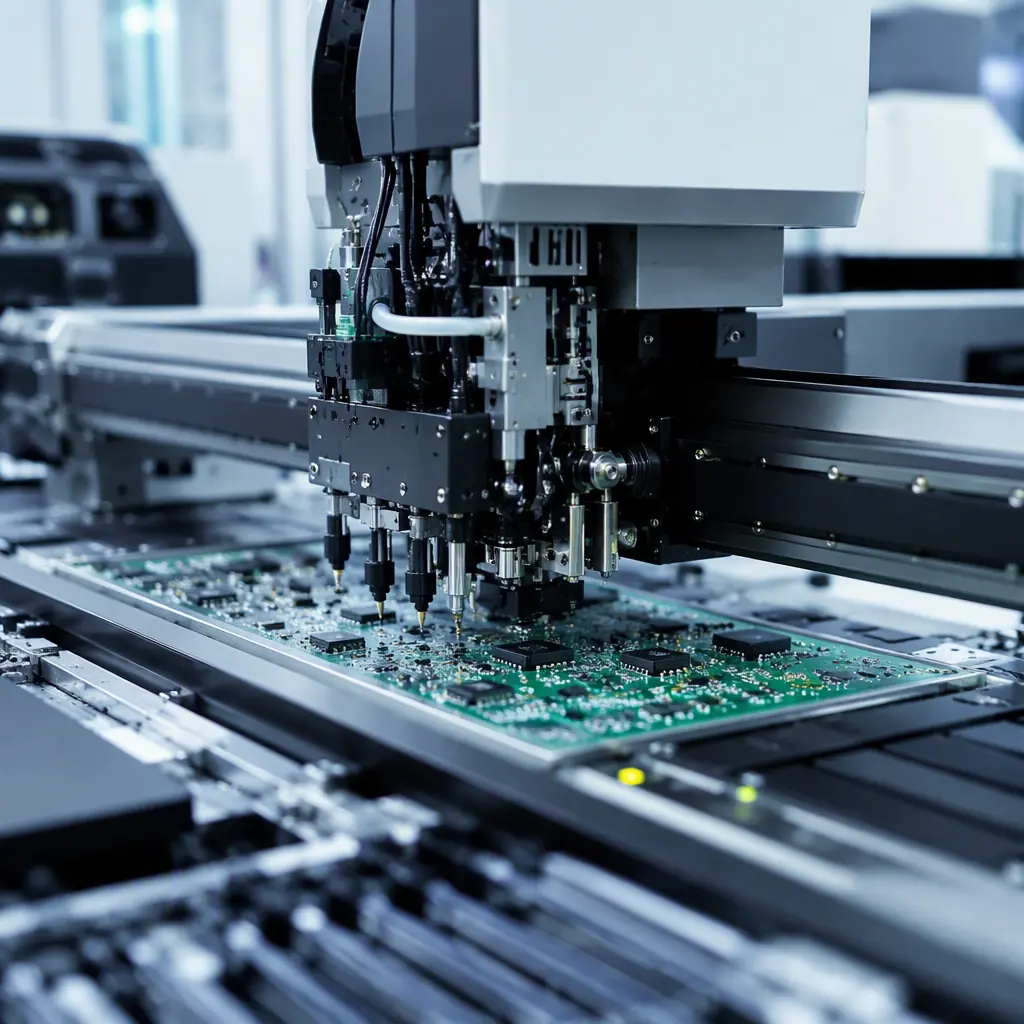
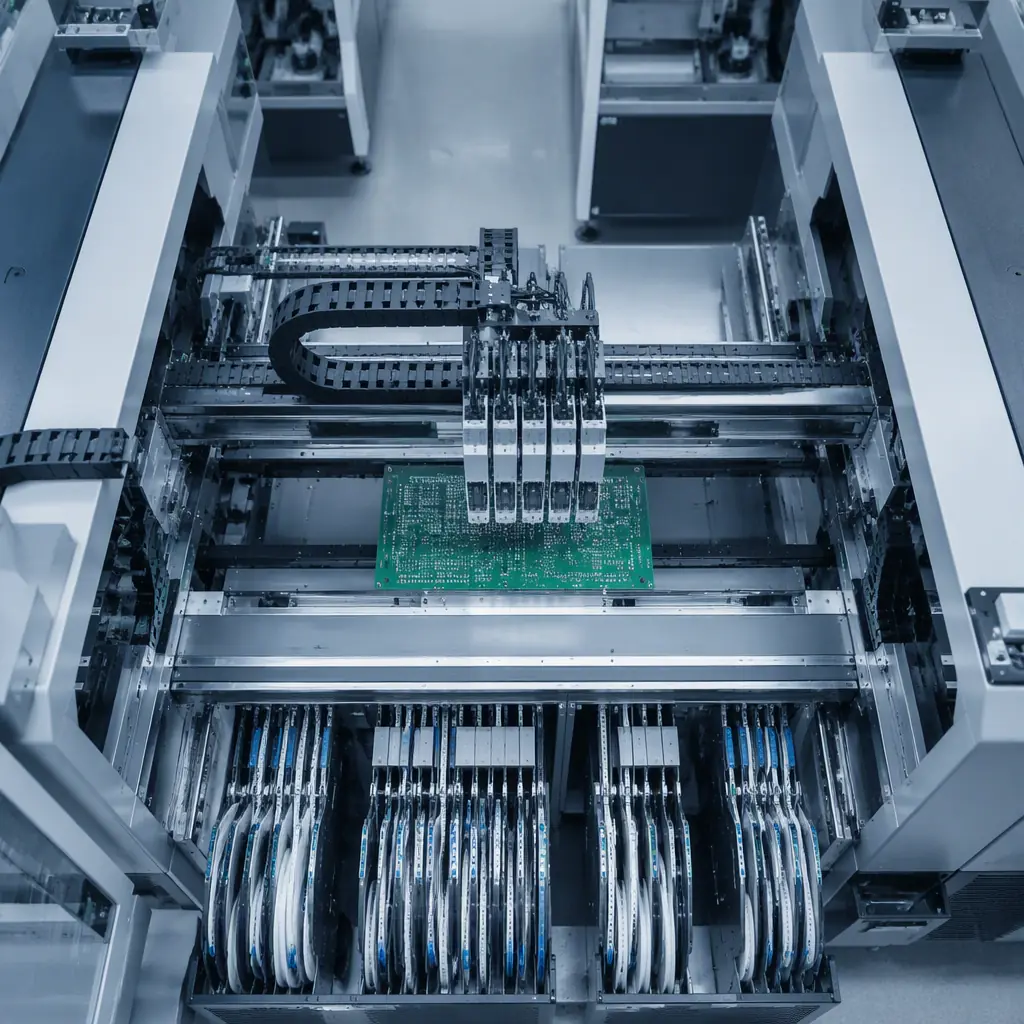
Assembly costs are naturally broken into fixed set-up items that you pay once, and variable per-unit items that scale with quantity. The balance between them is what makes a prototype price and a mass-production price look so different. At Huaxing PCBA we run 8 high-speed SMT lines and place up to 8M components per day across 0201 to 45mm parts, so the interplay of set-up and per-unit cost is a daily reality. This guide lays out the full assembly line-item anatomy.
The Assembly Line-Item Anatomy
Below is the set of line items that can appear on a PCBA quote. Understanding which are fixed and which are variable is the fastest way to decode any price difference.
| Line item | Fixed or variable | What it pays for | How it scales |
|---|---|---|---|
| Stencil | Fixed | The laser-cut or electroformed foil that deposits paste | Once per unique design |
| Solder paste | Variable | Material for the print | Per board |
| Placement | Variable | Machine time per component | Per component / per board |
| Reflow | Variable | Oven run, N2 or air | Per board |
| AOI / SPI | Variable (per board) | Automated optical and solder-paste inspection | Per board |
| Programming | Mixed | Firmware load, fixture, first-off | Fixture once, load per board |
| THT / DIP | Variable | Through-hole insertion, wave or selective solder | Per board |
| X-ray | Variable (sampling) | BGA and hidden-joint inspection | Per board or per batch |
| ICT / FCT | Mixed | In-circuit and functional test, fixture | Fixture once, test per board |
| Conformal coating | Variable | Protective coating | Per board |
The fixture-dependent items, stencil, ICT and FCT fixtures, programming jig, are where a small-quantity build shows its true cost. Because you pay them once and spread them over the run, they dominate the unit price at low volume and almost vanish at high volume. This is the core of why prototype and production pricing differ so sharply.
Per-Placement vs Per-Board Set-Up Cost
There are two useful mental models for assembly cost. Per-placement captures machine time: a board with 400 parts costs more to place than one with 120 parts, all else equal. Per-board set-up captures the fixed cost of running your specific design: the stencil, the program, the fixture, the first-off validation.
The practical rule: Per-placement cost dominates at high volume and high part count. Per-board set-up cost dominates at low volume and low part count. A mid-volume build sits in the middle, and that is where the negotiating, and the biggest quote discrepancies, actually live.
This is why a factory quoting turnkey assembly should be able to break down the price into fixed set-up plus variable per-unit. If a supplier gives you only a blended unit price and no set-up figure, you cannot compare it to a competitor's quote, and you cannot forecast a higher-volume run. Insist on the line-by-line breakdown.
How Many Boards Spread the Stencil Cost?
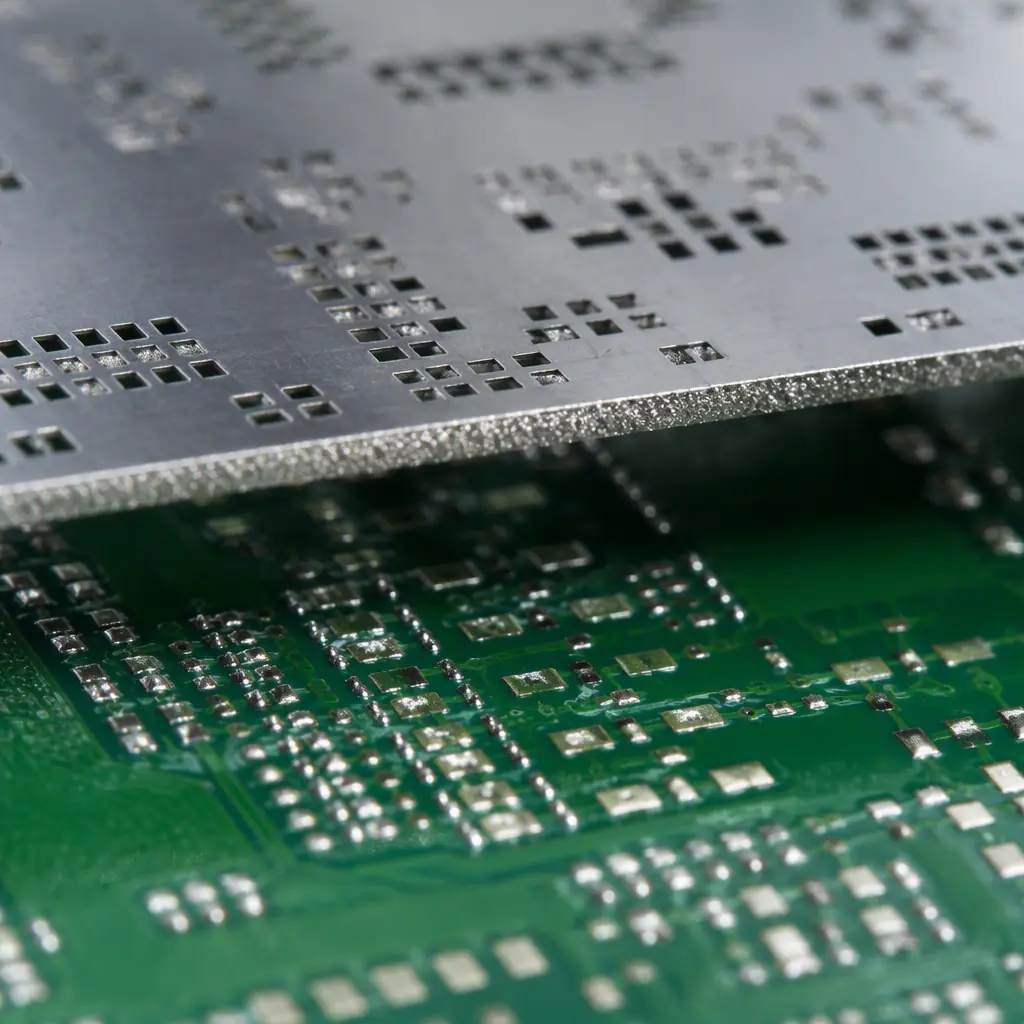
Stencil is the classic fixed cost
A laser-cut SMT stencil is a few hundred dollars for a standard board. On a 5-board prototype that is a large share of unit price; on a 500-board run it is noise. Make sure it is quoted as a set-up item, not buried in the unit price.
Frameless and tooling-free stencils change the math
For prototype and low-volume runs, a zero-tooling / frameless stencil removes the frame cost and the lead time, making the fixed cost of a first article much smaller. It is a genuine option worth asking about on a small order.
Stencil design quality drives yield
An under-designed stencil aperture causes shorts and opens that show up as yield loss and rework. Which is a hidden cost far larger than the stencil price itself. Aperture geometry, area ratio and paste type matter, as we cover in our stencil design guide.
Programming, Test Fixtures, and Inspection, the Costs Buyers Forget
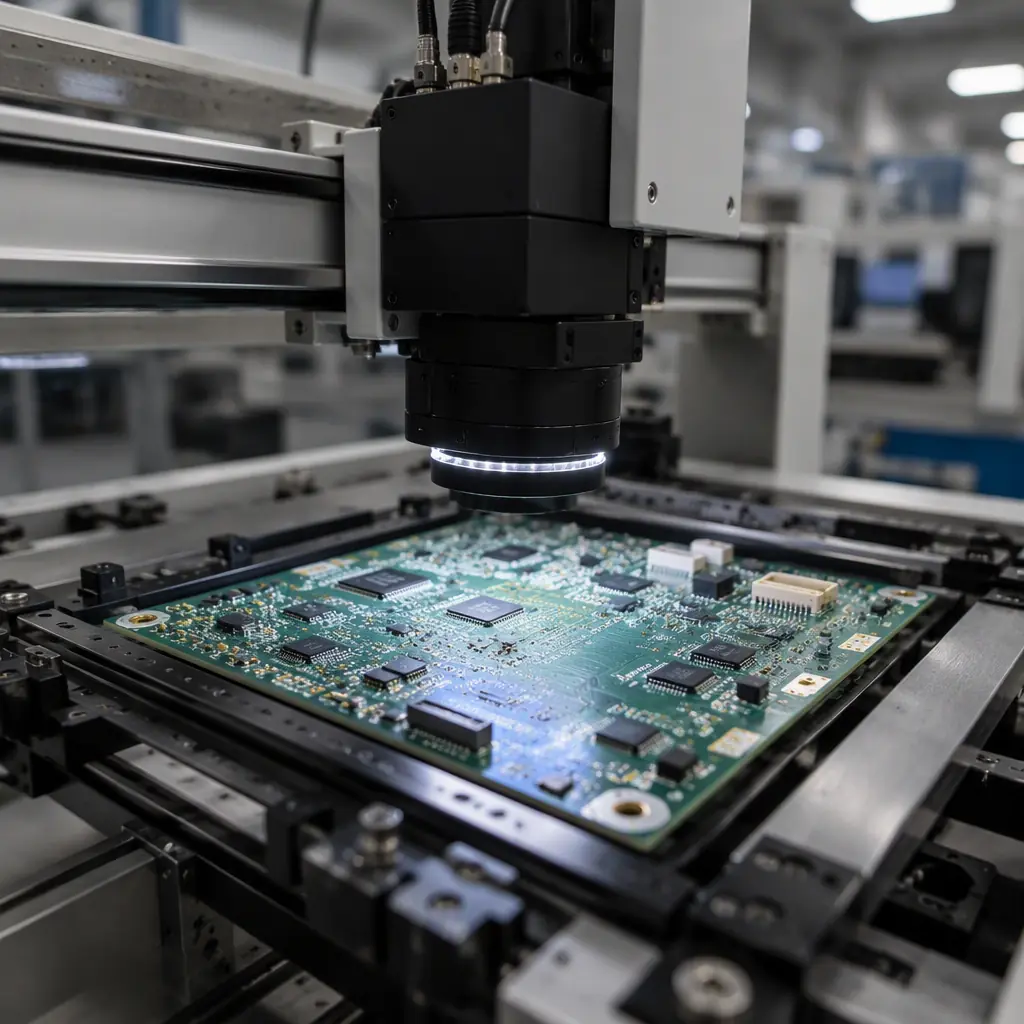
Bare-board and assembly labor are the visible costs; the quiet ones are firmware programming, test fixtures and inspection coverage. Each defends a different failure mode, and each has a price.
| Cost | Defends against | Fixture | Per-unit |
|---|---|---|---|
| Programming | Blank or stale firmware | Offline jig once | Load time per board |
| ICT | Open/short, wrong or missing part | Bed-of-nails once | Test per board |
| FCT | Functional failure, end-to-end behavior | DUT fixture once | Test per board |
| AOI / SPI | Missing part, bridged paste, wrong orientation | None (machine) | Per board |
| X-ray | BGA voiding, hidden solder joints | None | Sample or full |
Which of these you need depends on the board. A simple two-layer consumer board may need only AOI; a medical or automotive-safety board with BGAs and a controlled process will justify X-ray and functional test. Choosing the right test method is a cost-vs-risk decision, and our inspection method comparison walks through each.
When Through-Hole and Hand-Soldering Dominate
Not every board is fully SMT. Through-hole connectors, large electrolytic capacitors, transformers and power components require a different process, wave or selective soldering, and some repairs and odd-form parts are still done by hand. These items carry a per-board labor cost that scales with the number of joints and are often where a quote quietly surprises you.
If your design has a meaningful THT population, ask the factory to quote the DIP/wave portion separately. A supplier with a dedicated through-hole and selective-soldering line will handle it more cost-effectively than one treating every part as a special operation.
The Volume Curve: Prototype, Mid, and Mass
Prototype (1-10 boards)
Set-up dominates: stencil, programming, fixtures. Unit price is high because you amortize a small fixed cost over a tiny run. Here the goal is fast turnaround and a reusable fixture, not unit price, see quick-turn.
Mid-volume (100-2,000 boards)
Set-up is now spread but still visible. This is where a good line-item breakdown matters most, and where the difference between a well-optimized and a lazy quote is largest.
Mass production (10K+)
Per-unit variable cost takes over, and MOQ, panelization and placement efficiency drive the price. Set-up is essentially free. This is where you optimize the process and the panel, not the line items.
Comparing Assembly Quotes Apples-to-Apples
Procurement tip: Ask every supplier to quote the same three things: the fixed set-up (stencil, fixtures, programming), the per-unit variable cost, and which inspection (AOI/X-ray/ICT/FCT) is included versus charged separately. You can then normalize to a total cost of ownership, which is the only fair comparison, rather than being misled by a low unit number on one sheet.
Pair this with our quote comparison guide and read a quotation the way an engineer does in our line-by-line quote walkthrough. And remember: the cheapest assembly run that ships with a defect is more expensive than a slightly higher quote that passes first time.
The 10-Second Buyer's Summary
Key Takeaway: PCBA unit cost is fixed set-up spread over a run, plus variable cost per board. The items a quote hides, stencil, programming, fixtures, inspection, are where 40% quote differences come from. Demand a line-item breakdown, normalize to total cost of ownership, and match your test coverage to the reliability your product actually needs.
At Huaxing PCBA we run 8 high-speed SMT lines placing up to 8M components a day, from 0201 down to 0.3mm BGA pitch, with AOI/SPI, X-ray, ICT and FCT in-house and 4 through-hole lines for mixed-technology boards. We quote fixed set-up and variable cost separately so you can actually compare us. We are ISO 9001, IATF 16949 and UL certified and serve 30+ countries. Upload your design for a line-item quote or talk to our engineering team about the right test and fixture plan for your build.