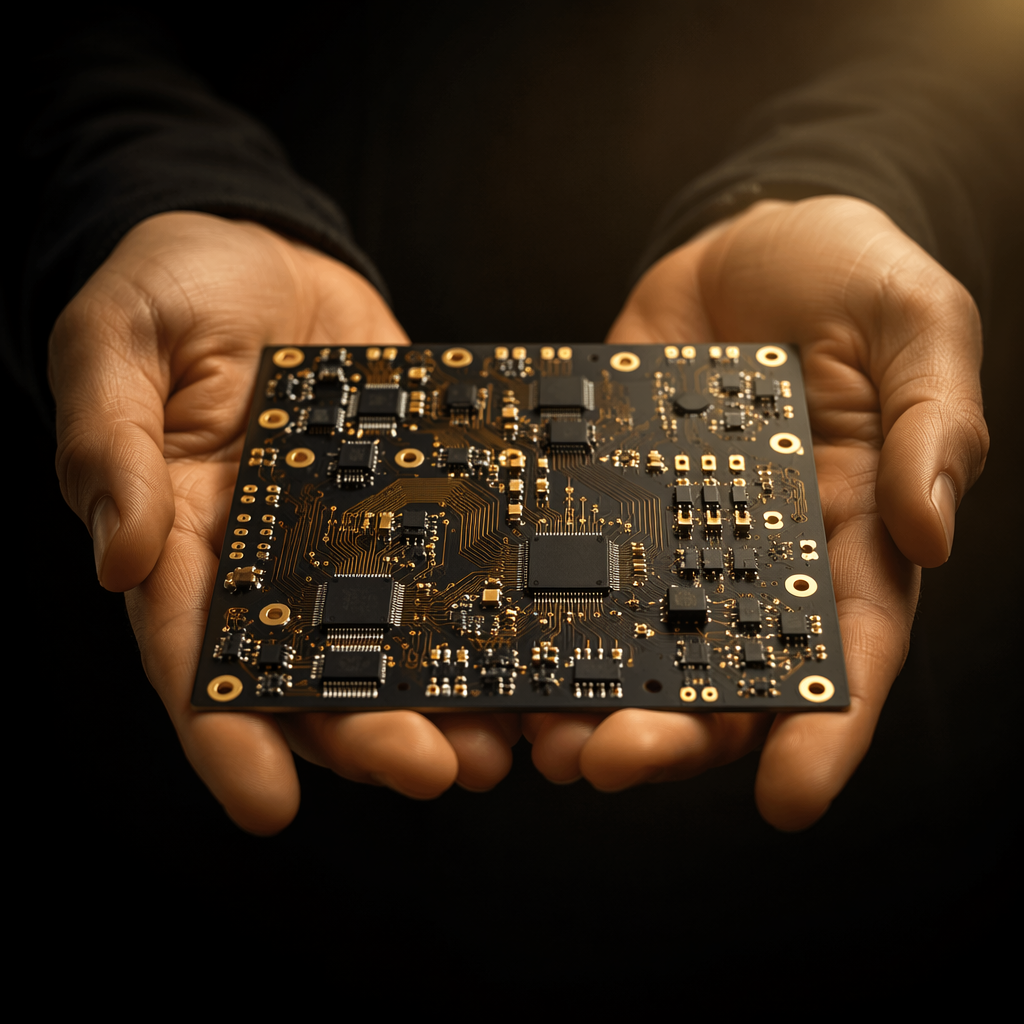
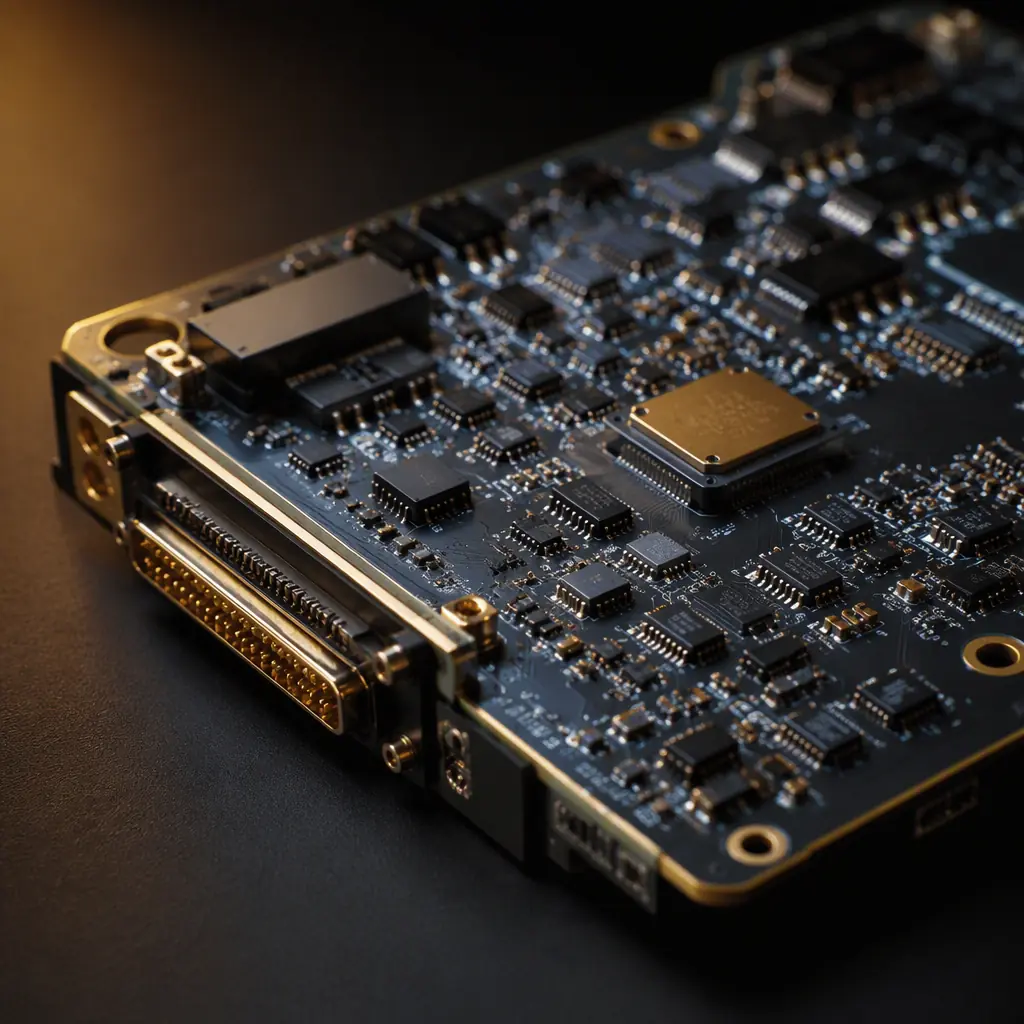
DO-254, the RTCA design-assurance guidance for airborne electronic hardware, is frequently misunderstood as a document about software. It is not. It governs the hardware itself, the circuit board, the assemblies on it, and any programmable logic such as an FPGA that sits on the board, and it requires that an item prove how it was designed, how it was verified, and how every requirement traces to a test. The stack of evidence is what the certification authority reviews, and it is often heavier than the board it certifies.
What software engineers discover when they move to avionics hardware is that the fabricator and assemble partner are part of the assurance chain. Material certifications, copper and laminate data, controlled processes, lot traceability and production qualification all become inputs to a DO-254 data package. At Huaxing PCBA we manufacture and assemble to IPC-A-610 Class 3 and IPC-6012 high-reliability standards, with IATF 16949 and ISO 9001 quality systems and UL certification, the building blocks such a package requires.
What DAL A Through E Actually Mean
DO-254 assigns each airborne item a Design Assurance Level tied to the severity of the failure it could cause. The level drives how much design assurance activity you must document. Not whether the board works, but how rigorously its correctness is demonstrated.
| DAL | Failure effect | Assurance expectations |
|---|---|---|
| A | Catastrophic | Most rigorous, full requirements, verification and structural coverage |
| B | Hazardous / severe | High assurance, near to A |
| C | Major | Moderate, with documented verification |
| D / E | Minor / no effect | Lighter, still require an assurance basis |
For a DAL A board the distinction is consequential. It is not enough that the design meets a specification. You must show the requirements were captured, that each one was traced to a verification, and that the verification result is recorded against it. On the manufacturing side that translates to traceable processes and qualification data, which is why our lot traceability and certification guides are the right reading as you build the evidence chain.
Board And Assembly Requirements For A DAL A Design
The printed circuit board under a DO-254 item is judged on both its design and its manufacture. The realistic requirements list is much broader than a commercial part:
Class 3 and aerospace-grade materials
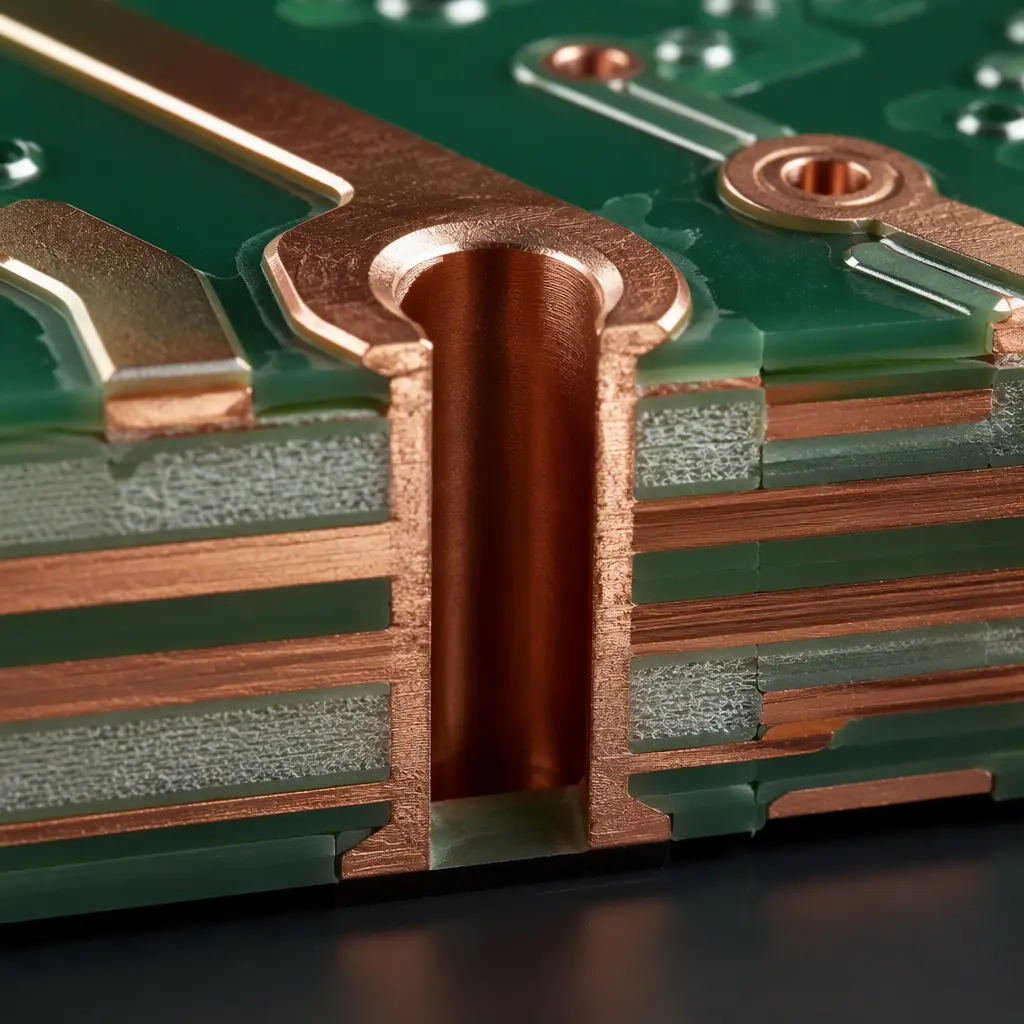
For the highest reliability, build to IPC-6012 Class 3 (and where space is involved, the IPC-6012DA addendum) and use a high-Tg laminate that survives repeated thermal and vibration stress. Compare substrate options in our materials guide.
Conformal coating and moisture protection
Airborne electronics face humidity, condensation and contaminants. A conformal coating or potting is typically required, applied with controlled coverage and thickness. Our conformal coating guide and potting guide cover the options.
Thermal cycle and vibration qualification
Aviated hardware sees wide temperature swings and constant vibration. Solder joint integrity is verified via thermal cycling and vibration/shock testing, not assumed. See our thermal cycling and vibration testing guides.
Creepage and clearance for the voltage present
Aerospace boards carry bus voltages that need real creepage distance and controlled clearance, especially in power distribution. Specify it on the drawing. The high-voltage PCB design piece explains how to set these limits.
Controlled impedance and signal integrity
Avionics data buses and high-speed links need controlled impedance with a stated tolerance. We hold ±5% with TDR verification. The impedance control guide has the detail.
Testability built in
A DO-254 item is verified, so the design must be testable. Test points, test fixtures and a structured design for testability approach make the verification evidence achievable.
DO-160: The Environmental Side Of The Story
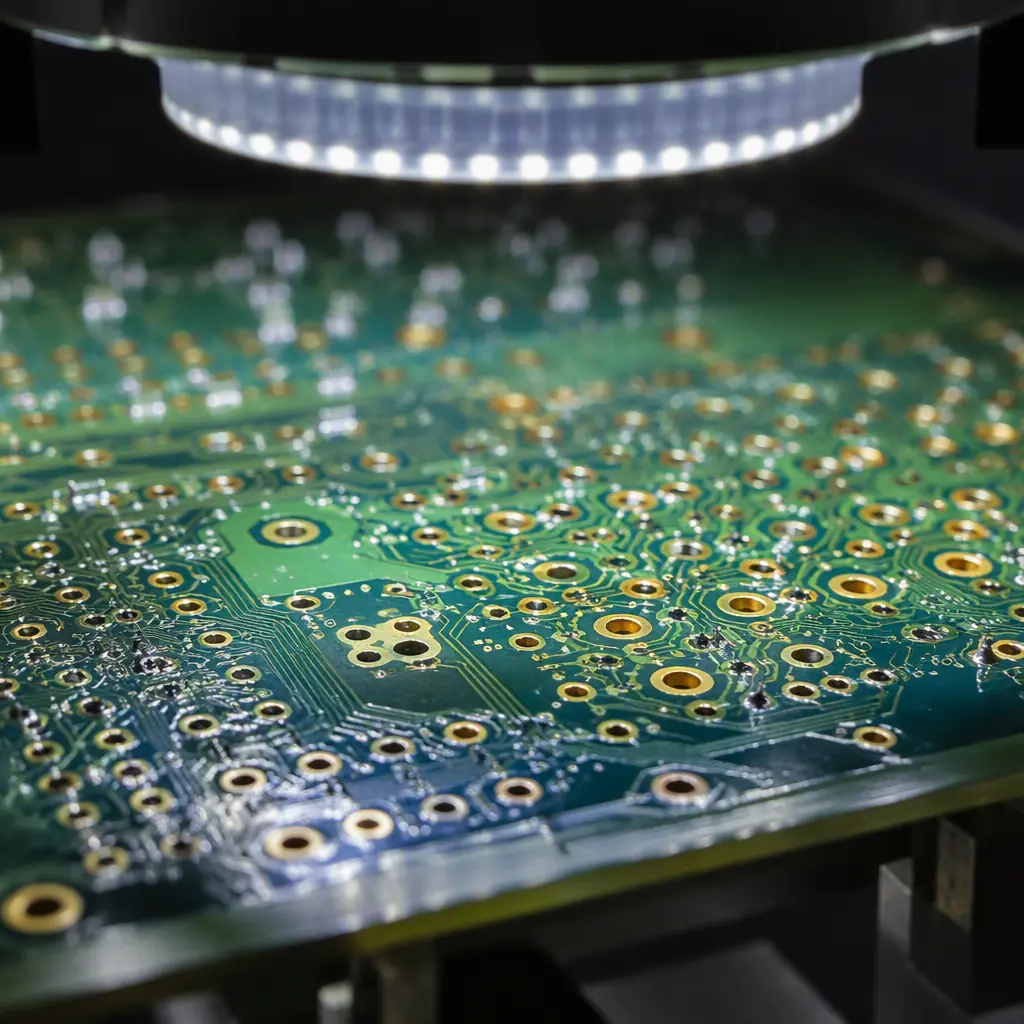
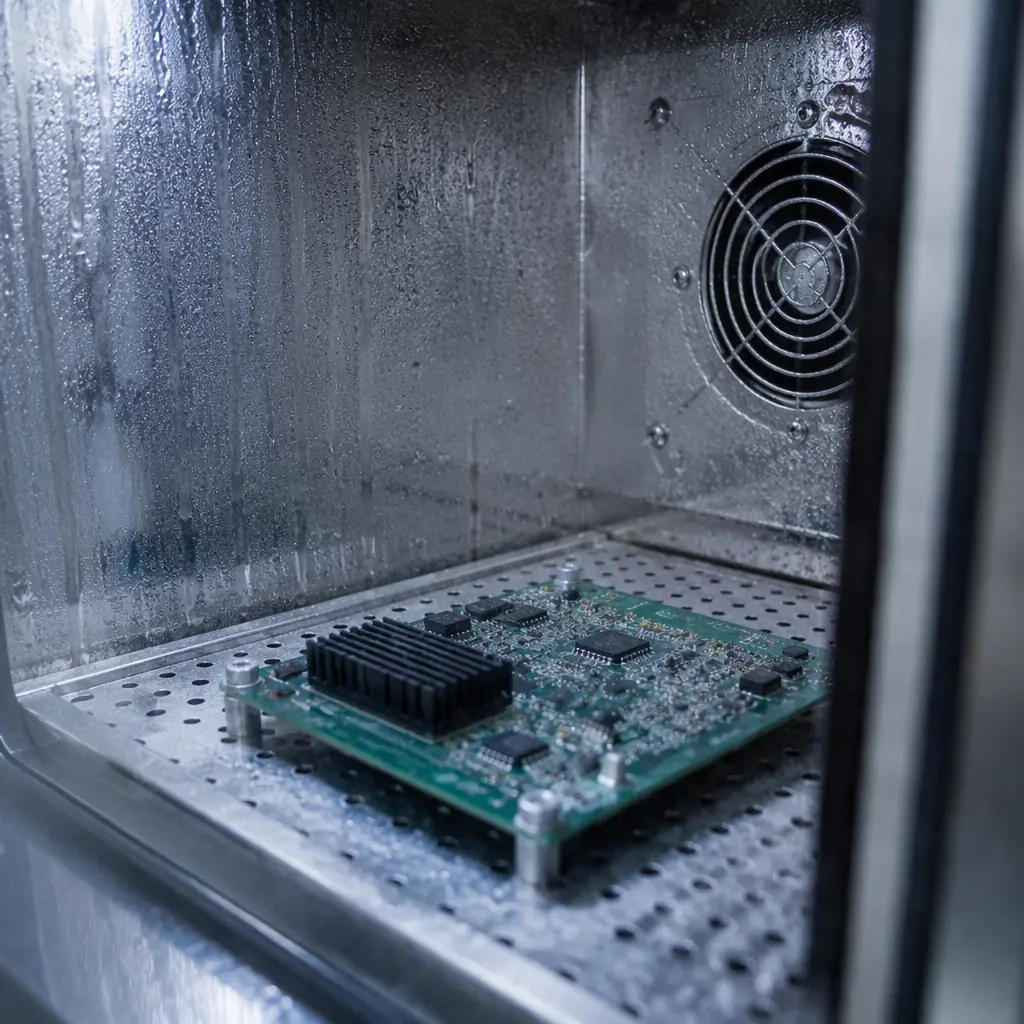
Where DO-254 governs the design-assurance process, DO-160 sets the environmental test procedures the equipment must pass to be qualified for flight. It is the physical counterpart to the paper trail. A realistic qualification program pulls in temperature, altitude, humidity, vibration, and electromagnetic compatibility, and the board design has to be able to survive each one.
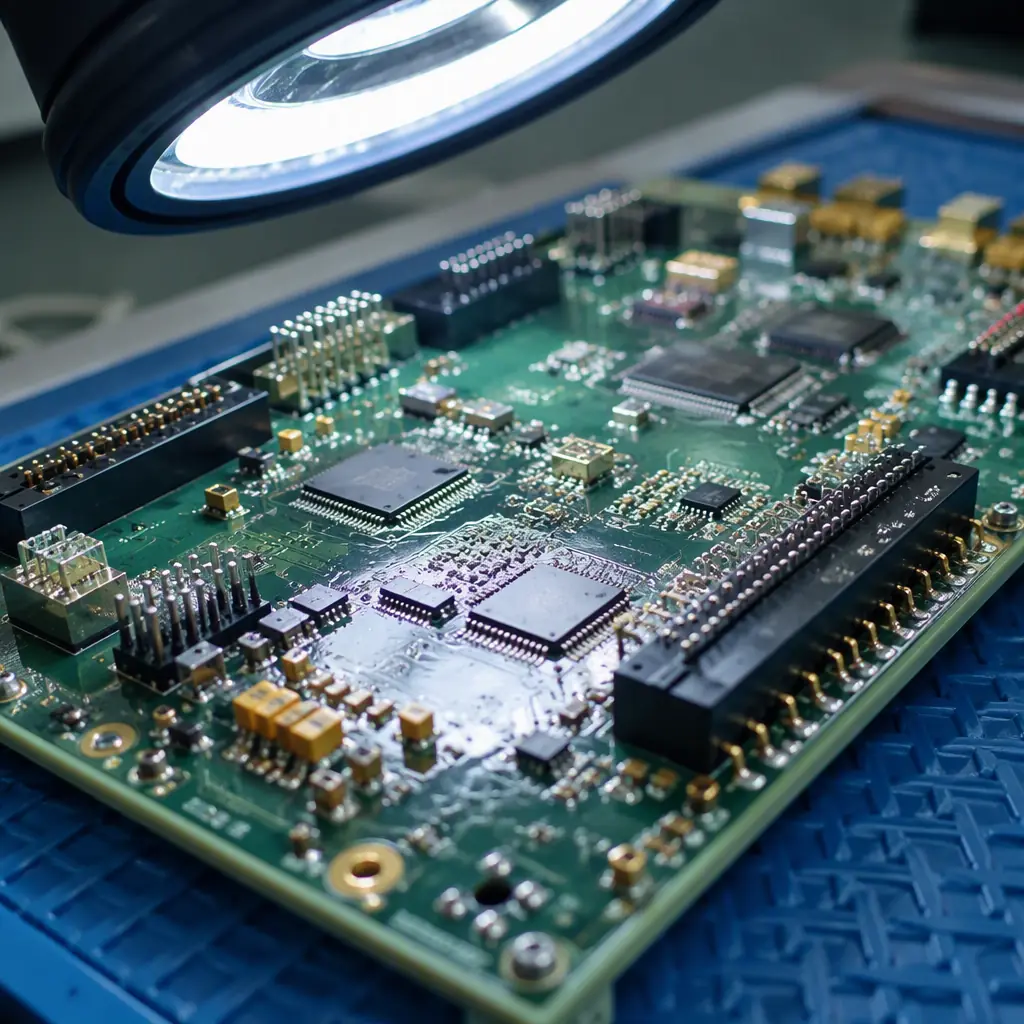
That is why the callouts on the fab drawing for a DAL A board look nothing like a commercial one. You specify the laminate and its Tg, the coating thickness, the creepage distances for the voltages on board, the copper weight for current capacity, and the test method for the assembled unit. On the assembly side, solder joint quality is set by IPC-A-610 Class 3 acceptance and verified with AOI and X-ray. Read about the current-carrying and thermal basics in our trace current capacity and thermal management pieces.
What To Verify In Your Board And Assembly Partner
Because so much of the DO-254 evidence originates at the factory, the partner you pick is part of your design assurance. Verify these before you commit a panel:
Material and process certifications on file
Laminate datasheets, copper foil lot C of C, plating and surface-finish process control records, requested, complete and auditable. Our certifications guide lists what a factory should hold.
Class 3 and IPC acceptance, not just a claim
Ask whether the line is qualified to IPC-A-610 Class 3 and IPC-6012, and whether it can produce the acceptance reports. The Class 2 vs Class 3 comparison shows why it matters.
Traceability from lot to build
Every board should trace back to its material lots. Contamination and cleanliness limits are also part of reliability, see our ionic contamination and lot traceability guides.
Key Takeaway: DO-254 is a design-assurance discipline, and a large share of its evidence is produced on the factory floor. Choose a fabricator and assembler that hold Class 3 qualification, can supply material and process certifications on request, run lot traceability, and are comfortable owning the test data. Because a DAL A board is only certifiable if the full evidence chain closes.
Summary, Build The Evidence Alongside The Board
Certifiability is engineered, not discovered. Set the DAL target early, define the material and process callouts that follow from it, specify the environmental qualification the board must pass, and make sure every one of those requirements can be traced to a verification record. The board built that way is not just a faster or denser board, it is an auditable one.
At Huaxing PCBA we manufacture and assemble to IPC-A-610 Class 3 and IPC-6012, with ISO 9001 and IATF 16949 quality systems, UL certification and full lot traceability across 8 SMT lines. We deliver to customers in 30+ countries on a 99.2% on-time basis and can supply the material certifications, process control and qualification data your DO-254 package needs. Request a quote or talk to our engineering team about your avionics program.