Knowledge Base
Free resources from our engineering team: DFM best practices, file preparation, material selection, stackup design, and more.
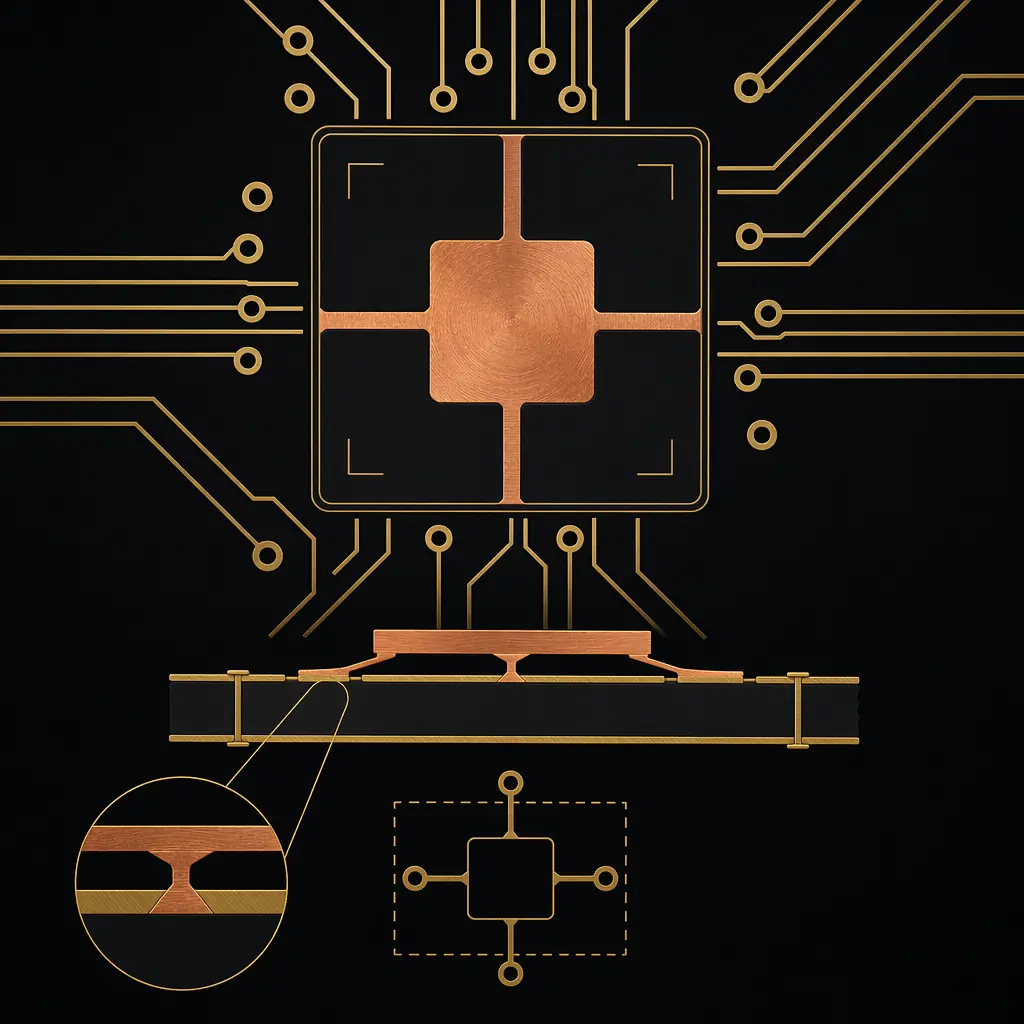
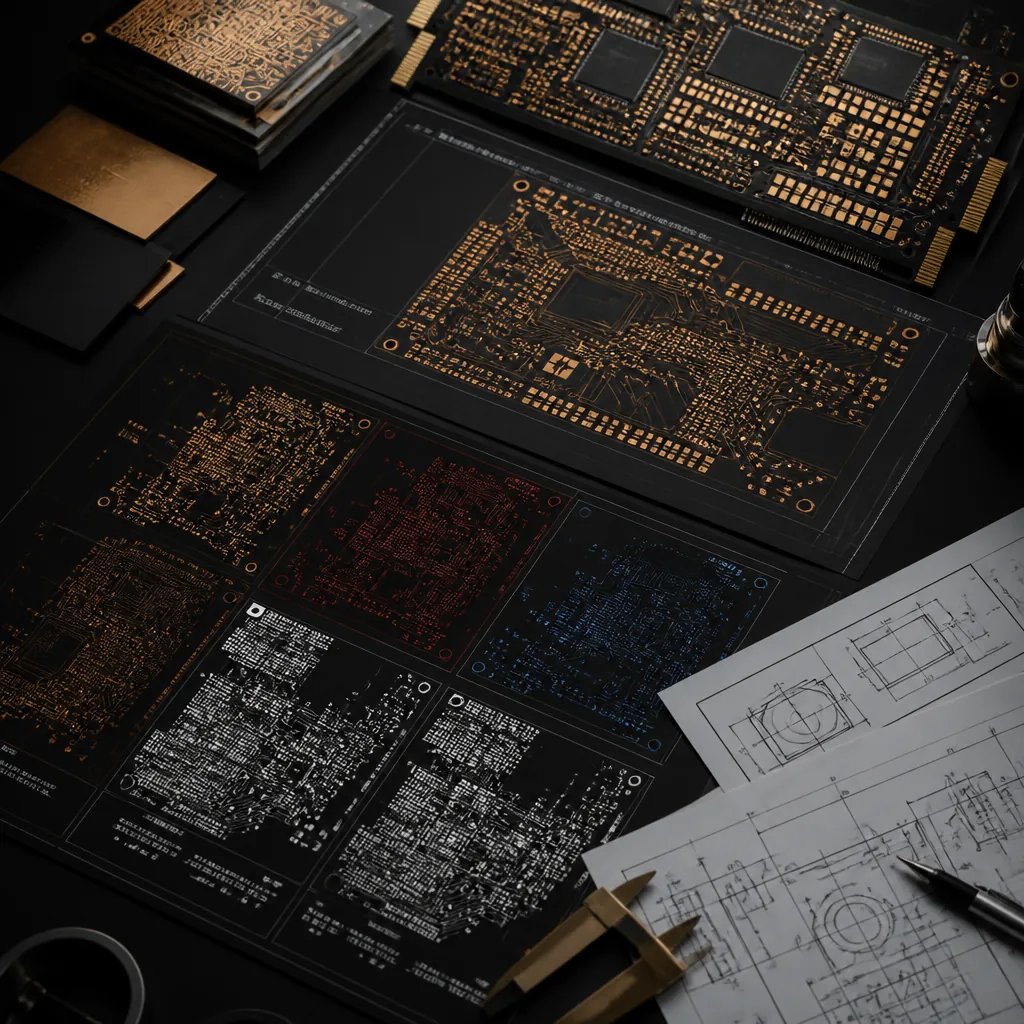
Complete guide to generating correct Gerber RS-274X files from Altium, Eagle, KiCad, OrCAD, and EasyEDA. Layer-by-layer checklist.
Must-Read25-point DFM checklist covering trace/space, annular rings, solder mask, silkscreen, and drill specifications. Avoid the most common CAM rejections.
OverviewStep-by-step walkthrough of the SMT and through-hole assembly process. Understand what happens after you submit your files.
Comprehensive comparison of PCB substrate materials, electrical properties, thermal performance, cost, and application suitability.
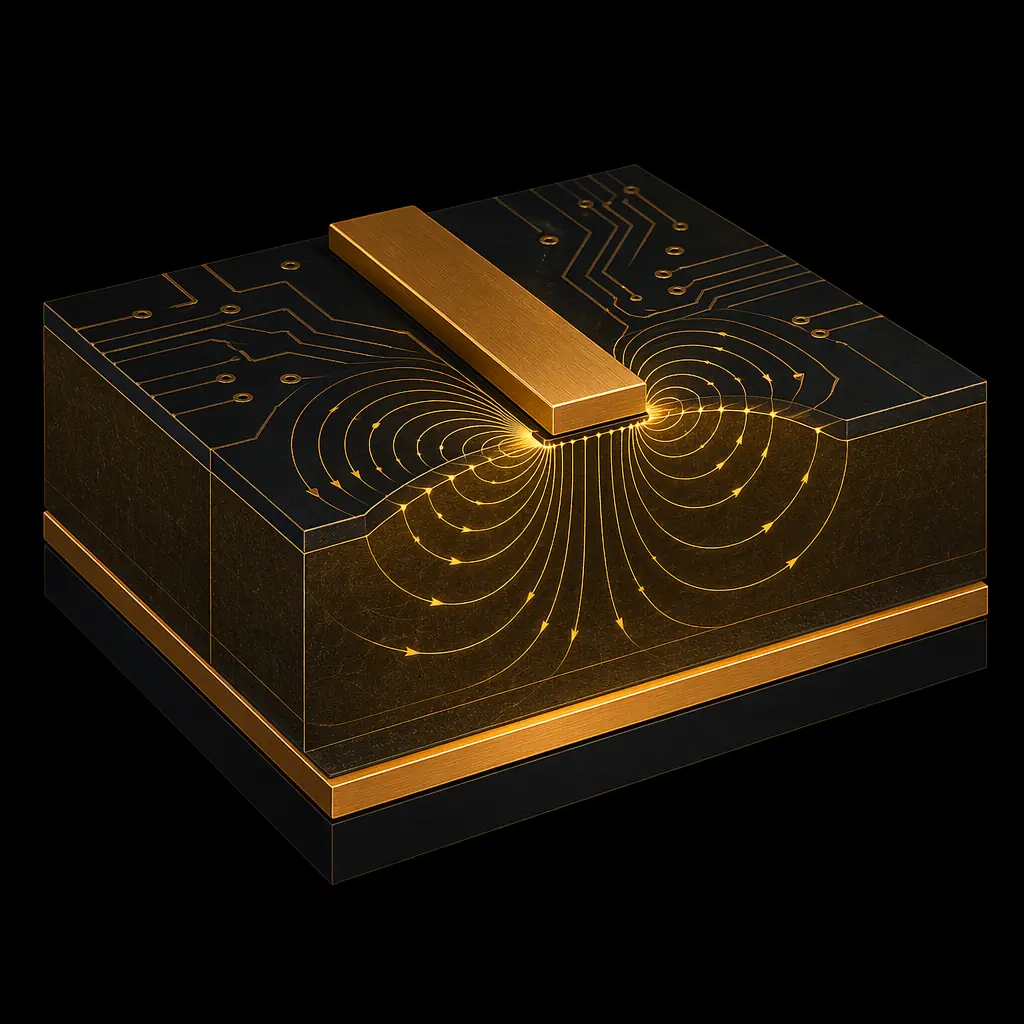
TechnicalHow to design controlled-impedance traces for 50Ω single-ended and 90Ω/100Ω differential pairs. Stackup design considerations.
AdvancedWhen and how to use HDI design techniques. Via types compared: through-hole, blind, buried, microvia, stacked, staggered.
Material selection, impedance tolerance, insertion loss management, and manufacturability considerations for RF and microwave PCBs.
PowerDesigning PCBs for high-current applications. Copper weight selection, thermal via arrays, creepage and clearance per IPC-2221.
FlexBend radius calculations, stiffener design, coverlay vs. solder mask, and dynamic vs. static flex applications.
Detailed comparison of acceptance criteria, when to specify Class 3, and the cost/quality tradeoffs for your application.
ReferenceWhat each certification means, which ones matter for your industry, and how to verify your supplier's credentials.
TechnicalOverview of every testing method we use. What each one catches, why it matters, and which tests to specify for your order.
Understand how layer count, material, surface finish, quantity, and lead time affect your PCB quote. Practical cost-saving tips.
GuideHow to evaluate a PCB manufacturer before placing your first order. Facility, equipment, certifications, and quality system questions.
PlanningNPI best practices: when to move from prototype to production, panelization strategies, and maintaining quality across the transition.
Key design and qualification requirements for automotive-grade PCBs. Temperature, vibration, and reliability testing expectations.
MedicalRegulatory requirements, material restrictions, traceability, and documentation for medical-grade PCB manufacturing.
IoTDesign considerations for connected devices: RF antenna integration, battery power optimization, and compact HDI layouts.
Upload Gerber + BOM, 24h quote with free DFM review.