
Capabilities / PCBA Assembly / BGA & QFN
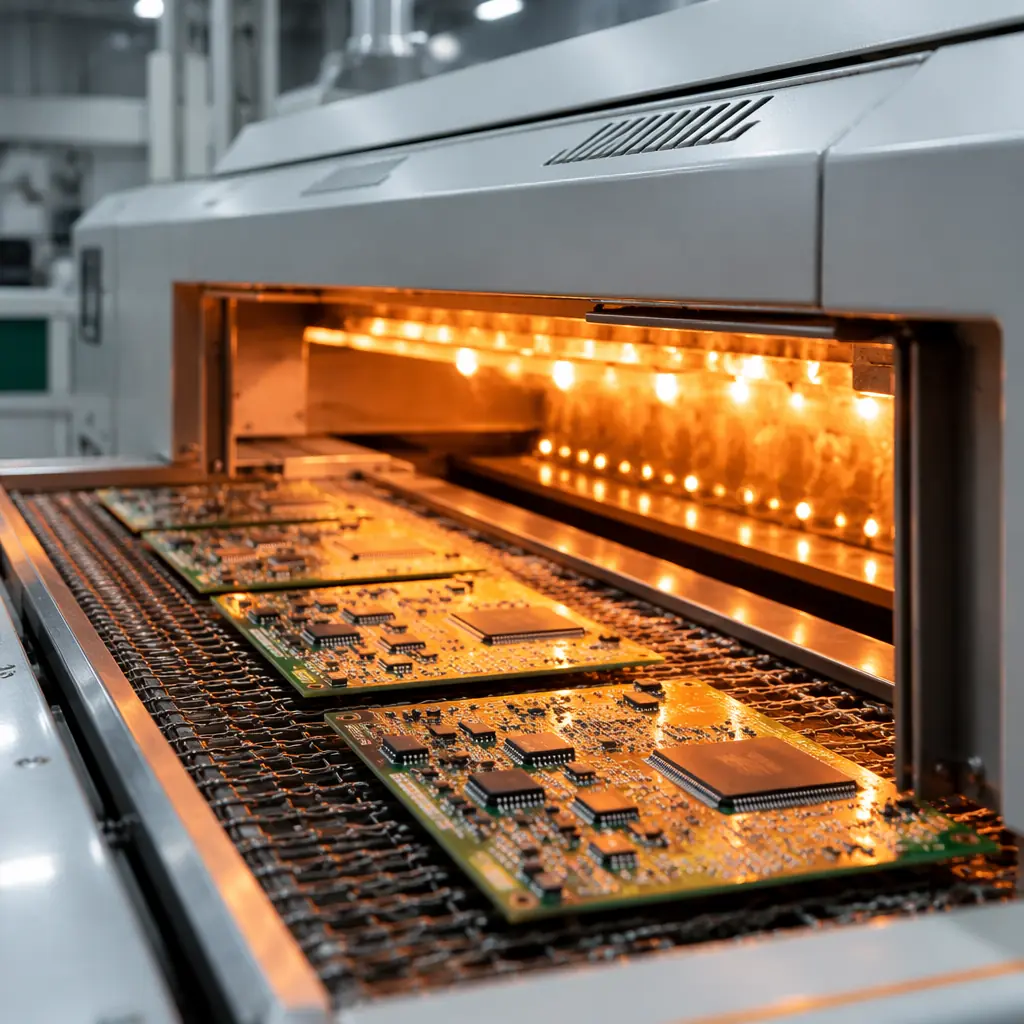
Ball grid array and leadless package assembly at the limits of pitch and density. Optimized reflow profiles eliminate head-in-pillow and non-wet opens. Every board X-ray inspected. Void rate consistently under 5%, exceeding IPC-7095 Class 3 requirements.
BGA & QFN Capabilities
Fine-pitch BGA placement down to 0.3mm ball pitch. ±15µm accuracy ensures every ball lands centered on its pad. Vision alignment compensates for board stretch and local fiducial offset. Suitable for advanced processors, FPGAs, DDR memory, and PoP configurations.
Large BGAs up to 55×55mm with 2,500+ balls supported. Custom reflow profile developed per package to manage the thermal mass delta between the large BGA and surrounding small passives. Thermocouple instrumented on first article, we profile the actual ball temperature, not just board temperature.
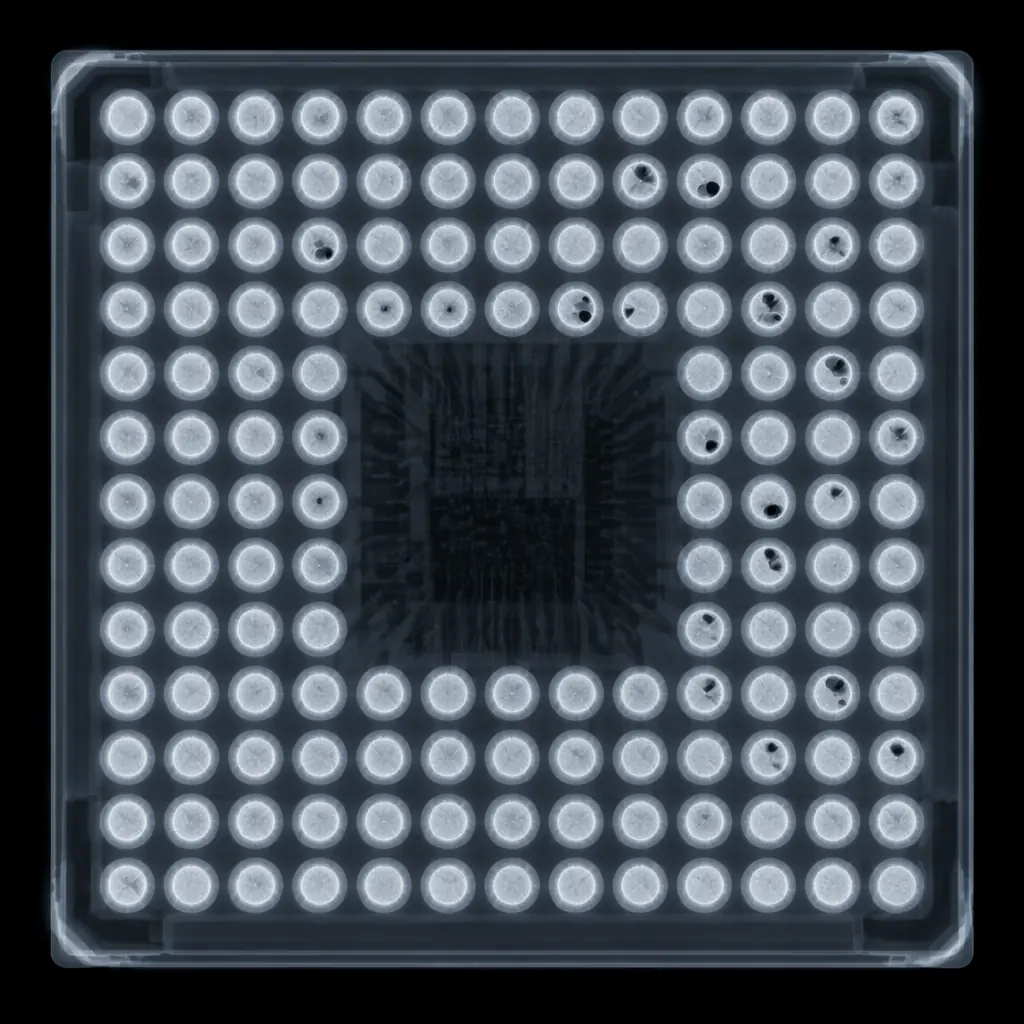
Void rate consistently under 5% per IPC-7095 Class 3 criteria, verified on every BGA by X-ray. Achieved through optimized ramp-soak-spike profiles, nitrogen atmosphere, and vacuum soldering option for ultra-low void applications. Solder paste selection tuned per alloy and ball metallurgy.
QFN and DFN packages present unique challenges with the exposed pad and invisible sidewall fillets. We optimize stencil aperture design (window-pane pattern for the thermal pad), paste volume, and reflow profile to achieve IPC-compliant sidewall wetting. X-ray verification confirms pad coverage and void level.
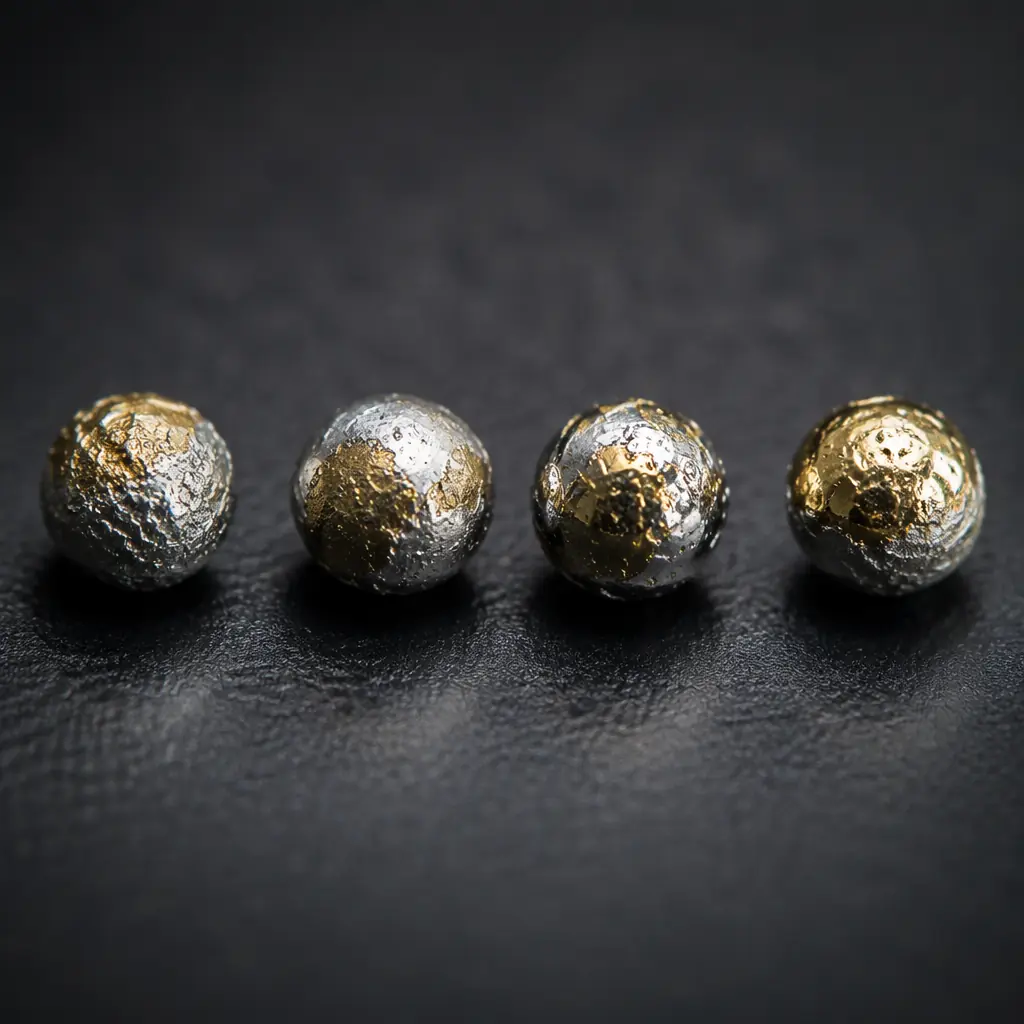
Dedicated BGA rework station with precision bottom-side preheating and top-side focused IR/convection. Component removal, site dressing, reballing with correct ball alloy and size, and re-placement, all under one process. Ideal for prototype bring-up, failed BGA replacement, and engineering changes.
Computed tomography X-ray for complex BGA and stacked-die packages. 3D reconstruction reveals void distribution through the ball height, partial non-wets that 2D X-ray misses, and head-in-pillow defects. Used for NPI qualification and production auditing on Class 3 builds.
Verification
Unlike peripheral-leaded components where solder joints are visible to AOI, BGA and QFN joints are hidden under the package body. X-ray inspection is the only non-destructive method to verify solder joint quality. We X-ray 100% of BGA and QFN sites on every production board, not just a sample.
Defect Prevention
BGA and QFN assembly defects are predictable when you understand the root causes. Our process controls address each failure mode before it reaches production, from stencil design through reflow profile to X-ray verification.
The exposed thermal pad under a QFN is prone to voiding because flux volatiles have limited escape paths. We use window-pane stencil aperture patterns (30-50% coverage, segmented) with via-in-pad designs for outgassing. Vacuum reflow available for <10% void rate on thermal pads in automotive and medical applications.
IPC-A-610 requires a visible solder fillet on at least one side of a QFN lead (Class 2) or on the toe and both sides (Class 3). We verify sidewall wetting through a combination of high-angle AOI cameras and X-ray. Accept/reject criteria are programmed per IPC class for each package type on the board.
QFN pad geometry demands precise stencil aperture design. Perimeter pads require 1:1 aperture-to-pad ratio with rounded corners for paste release. Thermal pad requires segmented apertures for void reduction. Stepped stencils (thinner for fine-pitch QFN, thicker for power components) on the same board.
QFN packages have lower thermal mass than BGAs but the hidden joints mean you can't visually confirm reflow. We attach thermocouples directly to QFN leads and thermal pads during profile development. The reflow profile is tuned so the QFN sidewall reaches full liquidus temperature without overheating nearby small-chip components.
| Parameter | Specification |
|---|---|
| Min. BGA Pitch | 0.3mm (0.25mm on request) |
| Max. BGA Size | 55×55mm (larger on request) |
| Min. QFN Pitch | 0.3mm |
| Package Types | BGA, µBGA, CSP, QFN, DFN, LGA, PoP, WLCSP |
| Placement Accuracy | ±15µm @ 3σ |
| Reflow Atmosphere | N₂, O₂ < 500 ppm |
| Void Rate Target | <5% per ball (IPC-7095 Class 3); vacuum soldering <2% available |
| X-Ray Coverage | 100% of BGA/QFN sites, 2D as standard; 3D/CT for NPI and Class 3 |
| X-Ray Equipment | Nikon XT V 160, Nordson Dage Quadra 5 (0.5µm feature detection) |
| BGA Rework | Precision rework station: bottom preheat + top focused heat. Reballing with correct alloy and ball diameter. |
| Workmanship | IPC-A-610 Class 2/3, IPC-7095, J-STD-001 |
| Profile Development | Thermocouple on ball/package for every new design. Full profile report included with first article. |
Upload your Gerber files and BOM. We'll evaluate BGA pitch, thermal pad design, and paste stencil strategy, and return a detailed DFM report with void reduction recommendations within 24 hours.
Upload Gerber + BOM, 24h quote with free DFM review.